UPDATE: Senate Republicans are facing intense backlash over a controversial move to allow senators whose phone records were collected during the Jan. 6 investigation to sue for compensation. This development has ignited fierce criticism from Democrats, including Sen. Ben Ray Luján (D-NM), who described the provision as “stinky” and indicative of why many Americans distrust politicians.
The contentious measure, spearheaded by Senate Majority Leader John Thune (R-SD), was buried in a bill aimed at reopening the government after a historic shutdown. It could potentially allow senators to receive upwards of $500,000 in payouts, prompting outcry from both sides of the aisle. “It’s $500,000 per instance, so it’s arguably millions of dollars for arguably eight senators,” Luján emphasized during a recent interview at the Capitol.
The House of Representatives, controlled by Republicans, voted unanimously last week to repeal this provision, showcasing a rare moment of bipartisan agreement against what many are calling “political self-dealing.” Luján praised the House’s swift action: “Kudos to them for moving quickly. We will not let this stand.”
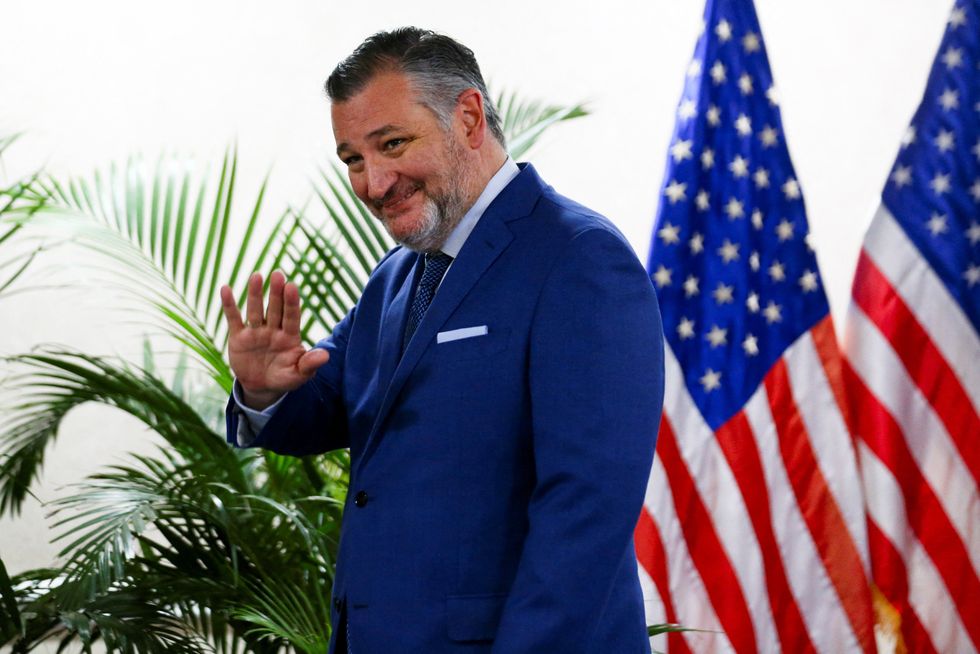
The measure was part of a larger legislative effort that passed in the Senate on November 10. It allows senators, including Ted Cruz (R-TX), who were scrutinized during the investigation led by Special Counsel Jack Smith, to claim compensation. Cruz has publicly defended the provision, labeling the investigation an “abuse of power” and likening it to “Joe Biden’s Watergate.” However, this rhetoric has not softened the backlash from across the aisle.
Sen. Tim Kaine (D-VA) expressed confidence that the Senate would ultimately reject the compensation measure during upcoming budget discussions, stating, “I expect we will address this in one of the must-pass budgetary bills at the end of the year.” Meanwhile, fellow Democrats are pushing hard to eliminate the provision entirely, highlighting its potential to erode trust in government.
Republican senators appear divided on how to respond following the House’s rejection of the provision. Sen. Shelley Moore Capito (R-WV) acknowledged a lack of awareness about the measure when it was initially passed and stated that her party would be “discussing it.”
Democrats are adamant that the compensation aspect is unacceptable. “It’s outrageous that people would put into the bill essentially a check for themselves for up to $500,000,” remarked Sen. Chris Van Hollen (D-MD). He assured that efforts to overturn the measure are underway.
As the clock ticks down to the Thanksgiving recess, the urgency surrounding this issue is palpable. Lawmakers are scrambling to address the fallout from this proposed payout, which many view as an egregious misuse of taxpayer dollars. The political landscape could shift dramatically based on how this situation unfolds in the coming days.
For now, both parties are gearing up for what promises to be a contentious showdown over the future of this controversial provision. The outcome could have lasting implications for public trust in Congress and the integrity of legislative processes.