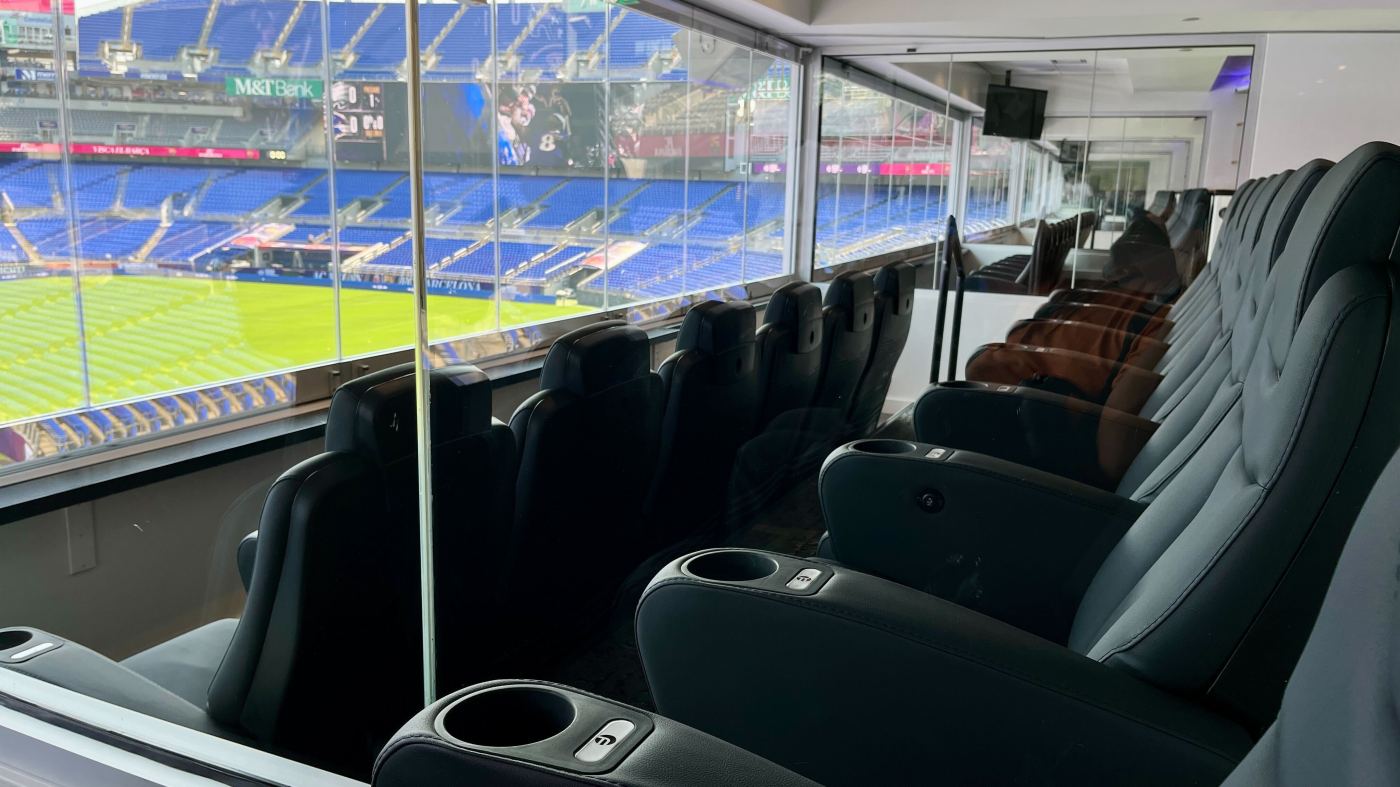
Investment by the state of Maryland in the Baltimore Ravens and the Baltimore Orioles has come under scrutiny, raising questions about the financial returns from the hundreds of millions of taxpayer dollars allocated to these professional sports franchises. A recent article highlighted plans for an additional investment of $1.2 billion aimed at enhancing the experience for premium clientele at the teams’ stadiums. Critics argue this funding could be better spent on essential public services such as schools, infrastructure, and services for seniors.
The financial commitment to the Ravens and Orioles has been substantial. The state’s tax structure often sees poorer counties subsidizing wealthier ones, leading to concerns about whether such investments are justified. Recent reports indicate that the city of Baltimore is permanently closing the Mimi DiPietro Skating Center in Patterson Park due to structural issues. This facility, affectionately known as the “Mimi Dome,” has been a beloved local landmark, and the cost to replace it is estimated to be between $5 million and $10 million.
Many argue that the investments in the stadiums are intended to prevent the potential loss of both teams to other markets. However, a solution exists within the Baltimore City Charter. Article II(2b) grants the city the authority to acquire the teams through purchase or condemnation, allowing for operational control or disposal. This provision was established by the state of Maryland following the departure of the Baltimore Colts to Indianapolis in 1984.
Bill Marker, a Baltimore resident, expressed concern about the prioritization of sports funding over community needs. He emphasized the importance of directing resources to critical infrastructure and community services rather than lavish stadium enhancements.
As the debate continues, the focus remains on the balance between investing in local sports teams and addressing the pressing needs of the community in Baltimore. The ongoing discussions reflect a broader conversation about fiscal responsibility and the role of public funding in professional sports.
The situation calls for a reevaluation of priorities, prompting residents to consider the implications of substantial public investment in sports franchises. As the state moves forward with these financial commitments, the question remains: is it worth the cost when pressing community needs persist?