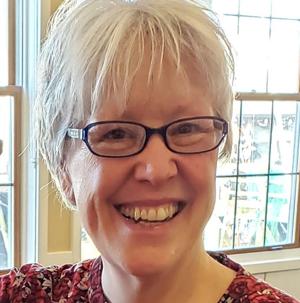
Anni Chung, the CEO of Self-Help for the Elderly, has dedicated more than four decades of her life to advocating for Asian seniors in San Francisco. Under her leadership, the organization has grown its annual budget from 1 million USD to 34 million USD, significantly impacting the lives of over 40,000 seniors in the community. Her efforts have earned her the title “Mother Teresa of Chinatown,” reflecting her commitment to addressing the unique challenges faced by immigrant and monolingual Asian seniors.
Chung’s work has brought critical issues to light, particularly the need for culturally sensitive services for a population that often suffers in silence. She recently expressed her feelings on receiving recognition as one of the 2025 San Franciscans of the Year, stating, “I feel really honored, but I also feel very humbled. It’s really not about me, but all my staff and all my volunteers and supporters.”
Transforming Community Needs into Action
Chung’s journey began in 1981, when she faced considerable challenges in advocating for her clients, many of whom were low-income immigrant seniors without English language skills. She recalls a time when feeding the elderly was viewed as a governmental responsibility, making it difficult to garner community support. In the late 1970s, Self-Help for the Elderly was the only organization in San Francisco providing ethnic meals tailored to the needs of Asian seniors.
“Getting the word out took 10 to 15 years,” Chung explained. “Even now, our general administration percentage is about 12%, with hardly any public relations. It’s all word of mouth.” Collaborating with local officials has also been crucial. While she identifies as apolitical, the competition for funding can be fierce, requiring her to emphasize the dire needs of her clients: “You have to explain that our seniors are not even getting one full meal a day.”
Cultural sensitivity has played a vital role in Chung’s approach. She highlights the contrast between Western individualism and Eastern family-oriented values, where respect for the elderly is paramount. “If you have a plate of good food, the best piece goes to the most senior,” she noted. This understanding has helped establish a supportive environment where seniors feel at home, as evidenced by the large volunteer base of over 1,000 individuals.
Building Community Resilience
Chung’s efforts have not only transformed the lives of seniors but also shaped the broader San Francisco community. The Chinese population in the city exceeds 200,000, and there were previously no Asian senior service providers in District 11, which is home to a significant number of Asian residents. Recognizing this gap, Chung collaborated with local officials to establish a senior center that has become a crucial resource for low-income families.
“We added an Asian-themed grocery distribution point serving 300 very needy families,” she said. The center has thrived by embracing cultural values and connecting with the community through music and bilingual staff. “When you speak their language, they feel part of the community,” Chung emphasized.
The recent rise in anti-Asian hate crimes has posed additional challenges, but Chung remains undeterred. “There’s a lot of love in San Francisco. I’m an immigrant, but I felt welcome,” she reflected. “We have to build that it’s not us versus them; it’s about all of us taking care of each other.” She advocates for empowering seniors to engage in public discussions about budget and safety issues, urging them to demand action for their needs.
Chung faces new challenges as funding for food programs has been cut. Nevertheless, she draws inspiration from her mentor, Beatrice Schiffman, who founded Self-Help in 1966. “She taught us that if you have a mission, you never stop fighting for what you believe in,” Chung said. With support from figures like Mayor Daniel Lurie and the Crankstart Foundation, which recently allocated 18 million USD for emergency food cards, Chung continues to champion the cause of affordable housing and adequate nutrition for seniors.
Younger generations are increasingly involved in Chung’s mission, with approximately half of her staff comprising individuals from the X, Y, Z, and millennial generations. “Their work styles are different, but collaboration across generations is essential,” she noted.
As Chung reflects on the future, she acknowledges the need to enhance outreach efforts. “We don’t have a big technology budget because we focus on direct service, but we need to bring senior stories into the mainstream,” she said. She emphasizes that seniors often feel alienated and should not suffer in silence.
In closing, Chung shares her favorite local dining spots, including Harborview, known for its excellent food and supportive owners, and Lai Hong Lounge, a well-loved dim sum restaurant. Her commitment to the community remains unwavering, and she continues to inspire others to join the fight for the rights and dignity of Asian seniors in San Francisco.