A recent study has established a significant link between muscle mass, visceral fat levels, and the biological age of the brain. Conducted by researchers who scanned 1,164 adults using full-body MRI and artificial intelligence, the findings reveal that individuals with higher muscle levels and lower deep abdominal fat tend to have biologically younger-looking brains. This suggests that physical strength may not only benefit the body but also promote brain health.
The research will be presented at the annual meeting of the Radiological Society of North America in early December 2023. The study’s results indicate a clear correlation: adults with a greater muscle-to-visceral fat ratio exhibited younger-appearing brains, while those with more visceral fat relative to muscle appeared biologically older. Notably, fat stored under the skin, or subcutaneous fat, did not show a meaningful connection to brain aging.
According to the lead author, Cyrus Raji, M.D., Ph.D., “Healthier bodies with more muscle mass and less hidden belly fat are more likely to have healthier, youthful brains.” This insight suggests that maintaining a healthy balance of muscle and visceral fat could play a role in reducing the risk of neurodegenerative conditions, such as Alzheimer’s disease.
Practical Steps to Enhance Muscle and Reduce Fat
To translate these findings into actionable strategies, we consulted with certified personal trainer Josh Schlottman, who outlined three effective methods for individuals looking to build muscle and decrease visceral fat.
First, Schlottman emphasizes the effectiveness of interval sprinting. He states, “Interval sprinting is a form of high-intensity interval training that is the most effective form of exercise for getting rid of deep visceral fat. With HIIT, you also build more muscle mass in less time than traditional exercise.” For beginners, he recommends the Jeffing technique, which combines short bursts of sprinting with walking or jogging to enhance endurance without undue strain.
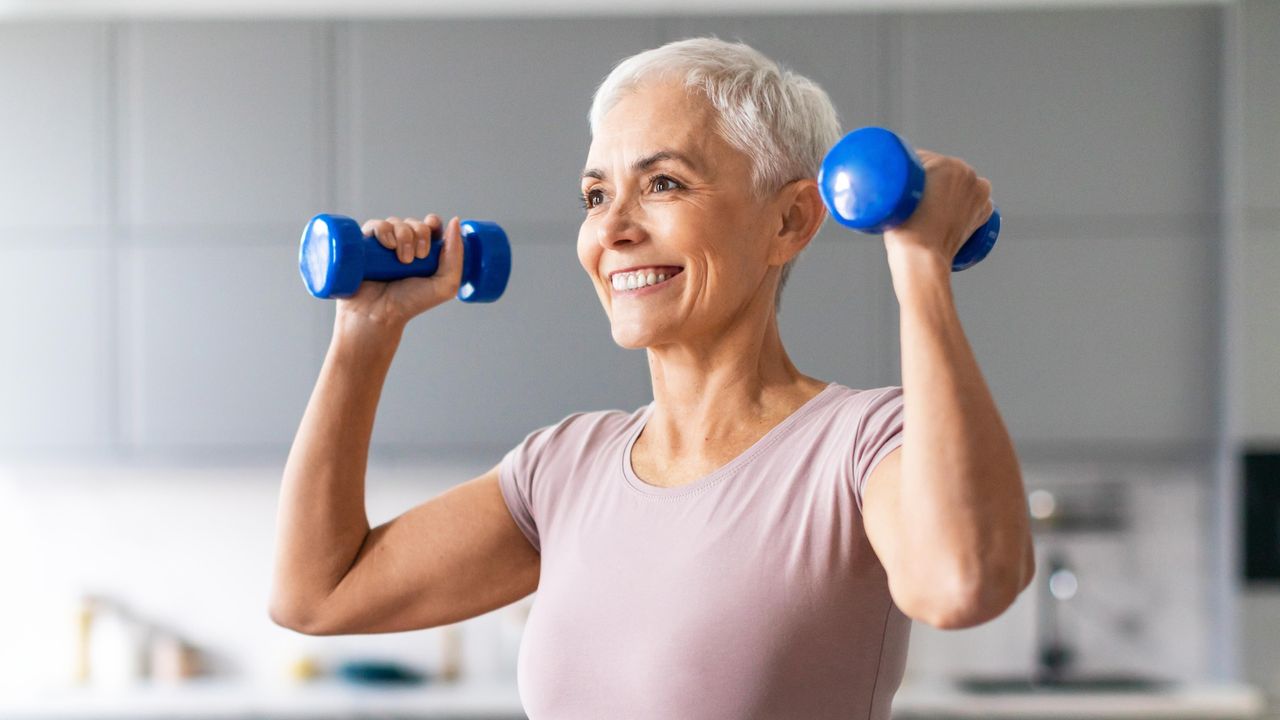
Second, Schlottman advises incorporating strength training with short HIIT circuits. He suggests utilizing compound exercises such as squats, lunges, push-ups, and pull-ups. “High-intensity resistance training like this builds muscle while burning calories and fat faster than weight lifting alone,” he explains.
Finally, nutrition plays a crucial role. Schlottman points out the importance of prioritizing protein intake, which is essential for muscle building, satiety, and boosting metabolism. He also recommends incorporating fiber-rich foods like spinach, broccoli, cauliflower, and beets into one’s diet to promote fullness without excessive calorie intake.
In conclusion, the findings from this study underscore the interconnectedness of physical health and cognitive function. By adopting habits that build muscle and reduce visceral fat, individuals may not only improve their physical appearance but also enhance their brain health, potentially staving off age-related cognitive decline.