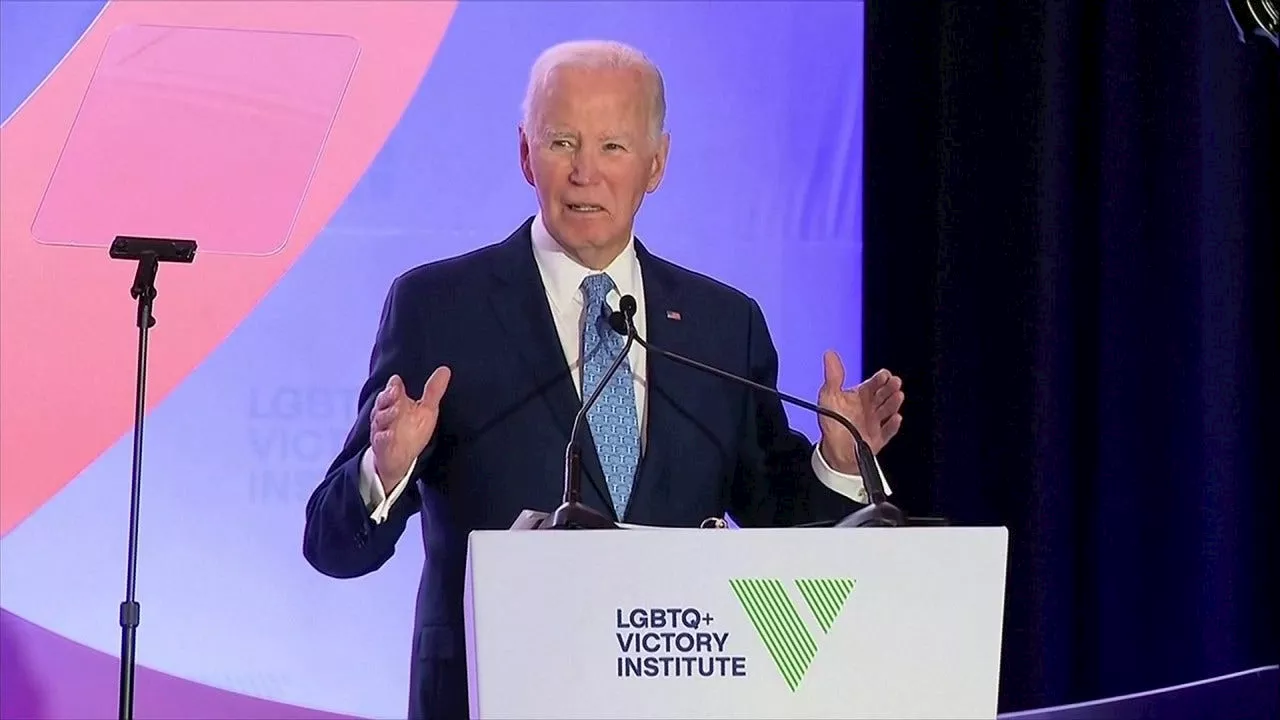
UPDATE: U.S. Representative Marjorie Taylor Greene has announced her resignation from Congress, effective January 5, sending shockwaves through the Republican Party. This unexpected exit raises urgent questions about the stability of GOP leadership and the future of the party as many members express frustration with the current administration.
Reports indicate that Greene’s departure is more than just a personal choice; it reflects a broader sentiment among Republicans in Congress who feel marginalized. An anonymous senior House Republican cited in Punchbowl News stated, “This entire White House team has treated ALL members like garbage. And Mike Johnson has let it happen.” The source revealed that “nearly all” Republicans feel “run roughshod and threatened” by the Biden administration, leading to increasing discontent within the party.
This resignation occurs at a critical juncture, as Greene’s departure will reduce the GOP’s House majority to just five seats, complicating Speaker Johnson’s efforts to maintain control over a fractious chamber. The midterm elections are looming, and history suggests that parties in power at the White House often face significant losses. Already, Republican attempts to secure additional seats through redistricting have faced legal challenges, further complicating their position.
The current state of the GOP is stark: House Republicans are grappling with an identity crisis, struggling to define their agenda in the post-Trump era. While Trump remains a powerful figure, many party members are uncertain about his long-term influence. The source from Punchbowl News warns, “More explosive resignations are coming,” hinting at a potential exodus that could jeopardize the GOP’s control.
Congress is increasingly perceived as an unhappy environment, even for the party in power. Greene’s dissatisfaction with party leadership mirrors a growing trend of frustration among legislators. As the GOP faces the real possibility of entering minority status, many members are questioning their future in a party that has yet to establish a clear path forward post-Trump.
The implications of Greene’s resignation are profound. If more Republicans choose to follow her lead, the balance of power in the House could shift dramatically, leaving Trump and his agenda vulnerable. The urgency for the GOP to redefine its mission is palpable. Without a cohesive plan, they risk losing the influence they have struggled to maintain.
As the political landscape continues to evolve, both Trump and Congressional Republicans must adapt to the realities of an increasingly divided House. The time is now for the GOP to unite and assert their vision or face the consequences of further dissent within their ranks.
The next few weeks will be critical as party leaders respond to this unfolding crisis. Watch for further developments as the GOP seeks to stabilize its position ahead of the upcoming midterms.