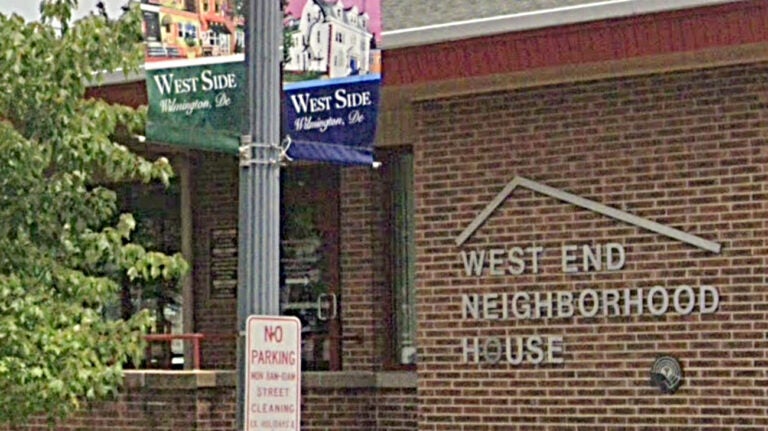
UPDATE: Delaware faces a critical shortage of foster homes, with 470 children currently in the system, many waiting for placements as the crisis deepens. This urgent situation was highlighted during the Foster Care Resource Fair at West End Neighborhood House in Wilmington on December 2, 2023, where officials called for immediate community engagement to support struggling teens.
The foster care system in Delaware is stretched thin, particularly in Sussex County, where the demand for homes exceeds availability. As babies enter the system without a safe haven, teenagers linger in temporary placements, often facing uncertainty as they age out of care without the stability they desperately need. The Division of Family Services reports that 298 Black children, 168 white children, 39 Hispanic children, and four Asian children are among those currently in foster care, each with unique challenges and backgrounds.
Director Trenee Parker emphasized the pressing need for families to provide not only more homes but specifically tailored placements. “We need more families for teenagers,” Parker stated. “They often experience more trauma before entering the system, making it crucial to ensure they have adequate support.”
The situation is dire—teenagers often face longer waits for placements, leading to increased trauma and instability. With the community’s involvement vital, Parker urged families to consider fostering, especially for older youth and sibling groups.
The shortage of foster homes is starkly visible. Organizations like Children & Families First and Pressley Ridge report a significant imbalance: while they receive numerous inquiries about fostering younger children, the need for homes willing to support teenagers remains critically unmet. “Families often feel they can make a bigger impact with younger kids,” noted Theresa Broome of Children & Families First.
As teenagers face the prospect of aging out of the system, the transition to adulthood can be particularly challenging. West End Neighborhood House’s Lifeline program is stepping in to provide essential housing and support for those aged 16 to 23. Program director Stacy Shamburger highlighted that many youths are navigating a housing crisis with limited resources. “Eighteen to twenty-three-year-olds are struggling to find housing and employment,” she explained.
In response to these challenges, Delaware has implemented a Tuition Waiver Program that allows former foster youth to attend state universities tuition-free, a critical step in providing educational stability. Since its inception in 2022, around 40 students have benefited from the program, with five graduates so far.
While systemic support is improving, Parker stressed that community involvement is essential. “It takes a village to ensure our youth succeed,” she said, urging residents to consider various ways to support local foster care initiatives, from sponsoring activities to providing mentorship.
As the situation develops, communities are called to action to alleviate the mounting pressure on Delaware’s foster care system. The urgency is clear: without immediate recruitment of foster families, vulnerable children face an uncertain future. Authorities continue to seek partnerships and encourage public engagement to address this growing crisis.
For those interested in learning more about fostering, the resource fair at West End Neighborhood House is a pivotal opportunity to connect and make a difference. Your involvement could change a child’s life.