Members of Congress are currently evaluating options for enhancing security measures in response to escalating threats in an increasingly charged political climate. This discussion comes in light of recent incidents involving violence against politicians, including lawmakers, judges, and other public figures.
Democratic representatives in the House are urging their Republican counterparts to permit each lawmaker’s office to employ an armed staff member along with a law enforcement coordinator, as reported by Semafor. Such measures reflect growing unease on Capitol Hill, particularly following the murder of political commentator Charlie Kirk, which heightened fears among lawmakers about their own safety.
As part of the ongoing response to these concerns, House members will have access to a monthly allowance of $20,000 for personal security when outside the Capitol, effective from March 2024. This amount is double the previous allowance, according to Roll Call. Despite bipartisan interest in enhancing security funding, it remains uncertain whether Congress will approve additional resources to cover the rising costs of protecting hundreds of lawmakers and their families across the country.
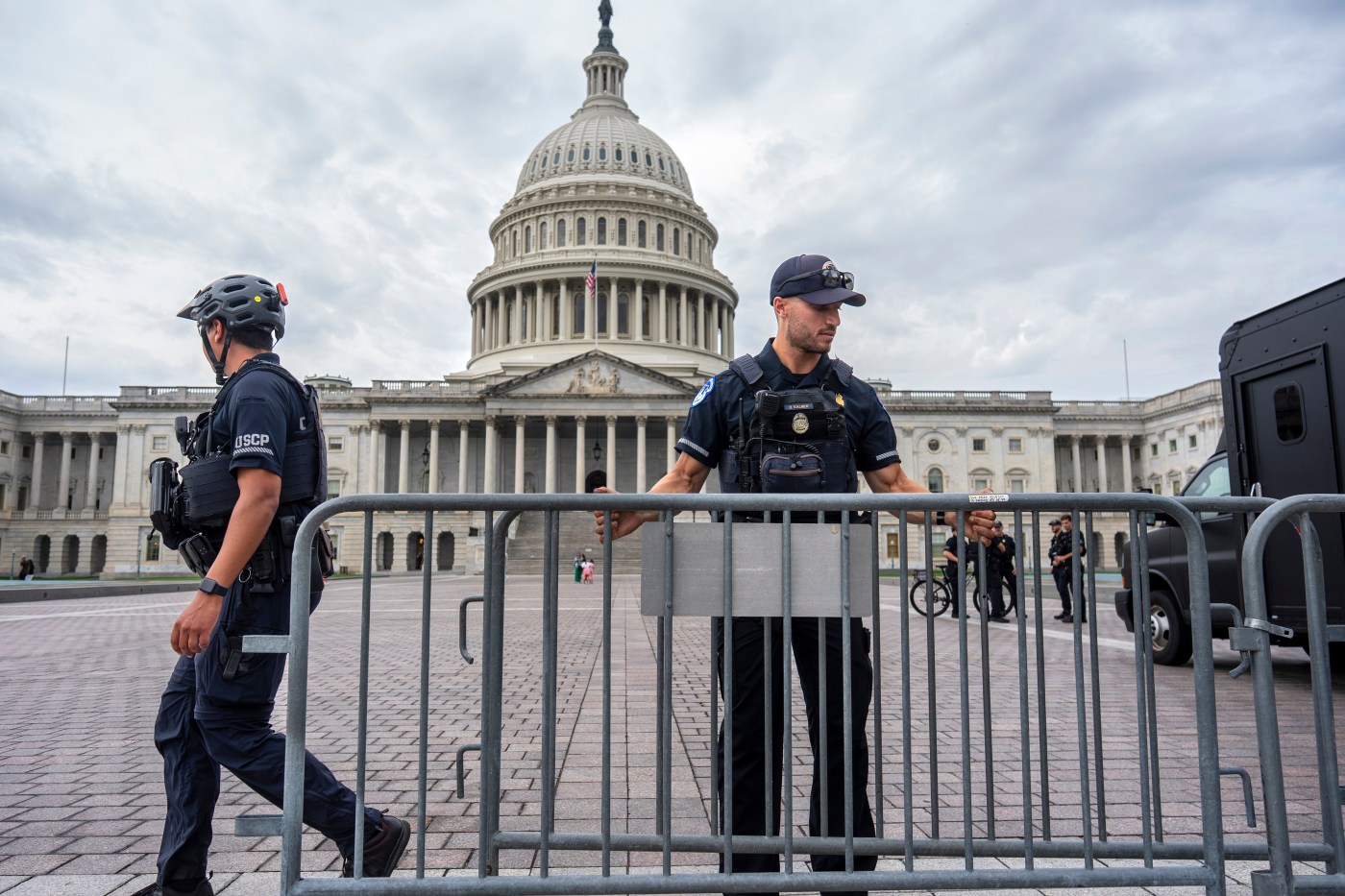
The U.S. Capitol Police, responsible for security at the Capitol, currently lacks the necessary resources and staffing to provide round-the-clock protection for each member. When lawmakers return to their home districts, they must rely on local law enforcement or private security for safety.
“It is going to be a tool or a capability, but it’s not going to provide that sort of 100% security that folks are wishing for,” stated Javed Ali, a former counterterrorism official and associate professor at the University of Michigan. He emphasized the historical challenges of ensuring the safety of public figures, noting that even presidents can fall victim to violence.
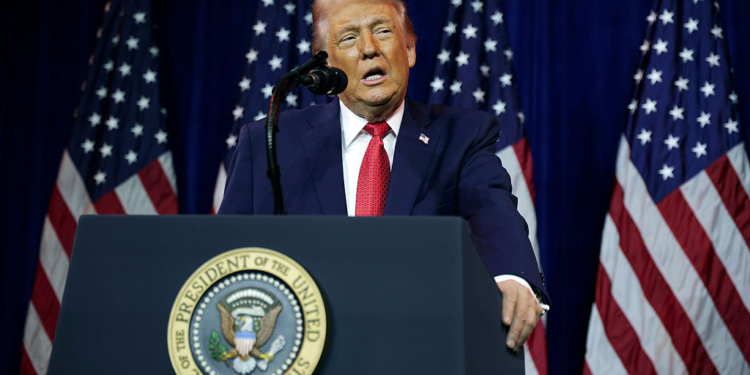
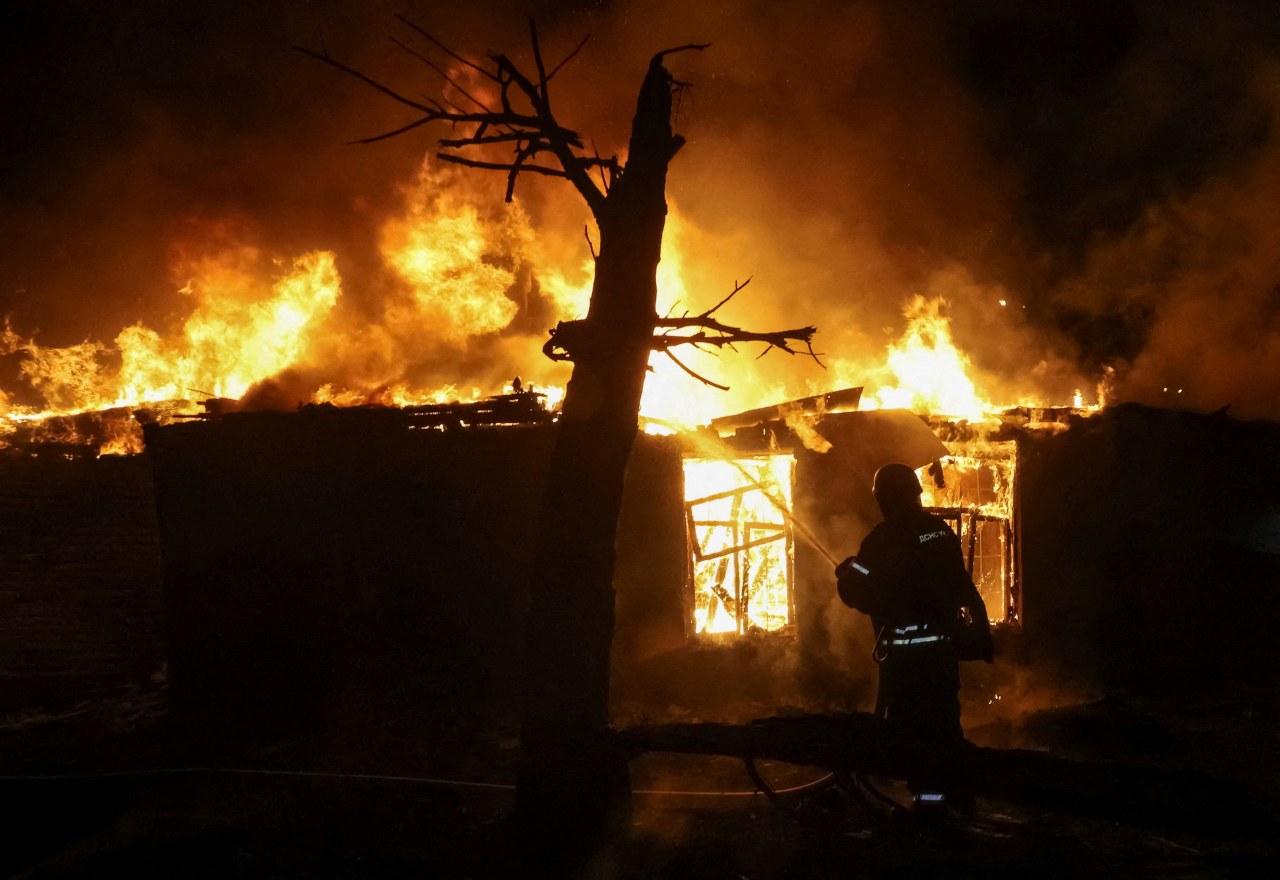
The number of threats against politicians has surged dramatically, with nearly 10,000 reported last year, up from fewer than 4,000 in 2017. Projections suggest that the total could reach 14,000 by the end of 2025. Incidents of violence against political figures have drawn significant attention, including two attempted assassinations of former President Donald Trump and the killing of a Democratic state lawmaker in Minnesota. In another alarming incident, the home of Democratic Pennsylvania Governor Josh Shapiro was set on fire while he and his family were inside.
The political environment has become increasingly hostile, with six Democratic lawmakers recently targeted after appearing in a video urging military members not to follow illegal orders. The backlash included threats following a social media post from Trump labeling them as traitors. The shooting of two National Guard members from West Virginia further highlights the expanding threat landscape beyond high-profile politicians.
Law enforcement agencies have managed to thwart several violent plots, but identifying potential attackers before they act remains a challenge. Many recent perpetrators were able to bypass security measures undetected. “We can try to boost the security profile, you can try to close as many gaps as there are, but you’re never going to be able to do that 100%,” Ali explained. He noted that attacks on public officials are often carried out by individuals who have not been on law enforcement’s radar.
The issue of political violence extends to state lawmakers, with nearly a dozen legislators in Indiana reporting bomb threats or swatting incidents in recent weeks amid pressure over congressional redistricting. Among those targeted is Republican state Senator Mike Bohacek, who has publicly opposed redistricting efforts.
Responses to the rising tide of political violence have prompted bipartisan condemnation, with both parties engaging in blame games regarding the toxic political climate. Democrats have criticized Trump for his incendiary rhetoric, while Republicans point to the left’s inflammatory claims against their opponents as contributing factors to the unrest.
As Congress grapples with these pressing security issues, the safety of lawmakers and public figures remains a paramount concern in an increasingly volatile political landscape.