The search for missing flight MH370 is set to resume this month, marking over a decade since the aircraft vanished during its journey from Kuala Lumpur to Beijing. An American company will lead this new search effort, raising hopes of uncovering the mystery surrounding the plane’s disappearance.
Flight MH370 disappeared on March 8, 2014, with 239 people on board. Despite various search operations in the Indian Ocean, the wreckage has never been located, leading to widespread speculation and numerous theories about what may have occurred. The upcoming search is significant not only for the families of those lost, but also for aviation safety and technology.
New Search Efforts and Challenges
Over the years, multiple attempts to find the aircraft have been carried out, yet all have proven unsuccessful. According to aviation analyst Jeff Guzzetti from NBC, the chances of locating the wreckage remain challenging, given the vast area that needs to be covered and the time that has elapsed since the incident.
Guzzetti emphasized that advancements in technology may improve the odds this time. “While the search area is still immense, new equipment and methodologies could potentially yield better results,” he stated. The quest to find Flight MH370 continues to capture global attention, as it represents one of aviation history’s greatest mysteries.
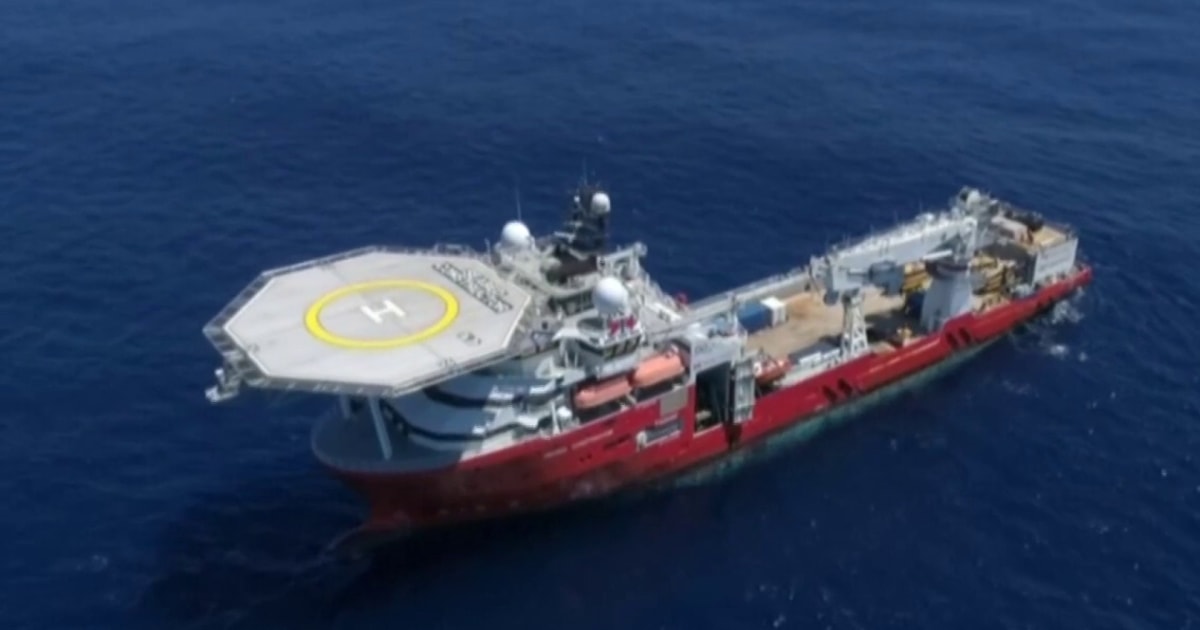
The next phase of the search is expected to begin in December 2025, with the American company deploying advanced sonar technology to scan the ocean floor. This technique, which utilizes sound waves to detect underwater objects, has shown promise in previous maritime searches.
Impact on Families and Aviation Safety
The families of those aboard Flight MH370 have long sought closure, and the resumption of the search brings renewed hope. Many relatives have expressed their frustrations over the lack of answers and the prolonged uncertainty surrounding the fate of their loved ones.
In addition to providing closure for families, the search holds implications for aviation safety. Experts believe that understanding what happened to MH370 could lead to improvements in flight tracking and emergency response protocols. The lessons learned from this incident could help prevent similar occurrences in the future.
As the world awaits the results of this new search effort, the story of Flight MH370 remains a poignant reminder of the complexities and challenges of modern aviation. The commitment to uncover the truth continues to resonate, illustrating the human desire for answers in the face of tragedy.