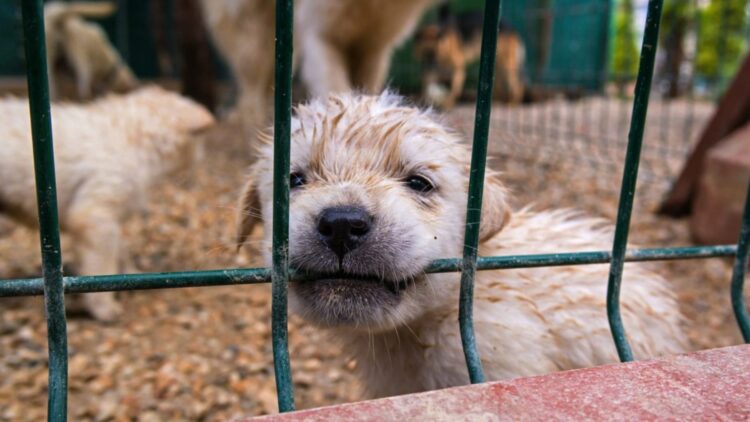
A landmark law that prohibits the sale of dogs and cats in public places took effect in Colorado on August 6, 2025. Known as Bill HB25-1180, this legislation marks a significant shift in how pets are sold and aims to protect both animals and potential owners from the risks associated with informal sales.
The new law imposes serious penalties for those who violate it. Individuals and businesses, except for those licensed under the Companion Animal Care and Facilities Act, face fines of up to $750 and could also serve up to 120 days in jail, as it is classified as a class 2 misdemeanor. According to the Colorado Legal Defense Group, this strict enforcement aims to ensure animal welfare and the safety of new pet owners.
Concerns about informal pet sales have been voiced by animal welfare advocates. Aubrey Romero, an adoption and behavior counselor at the Humane Society, expressed that purchasing animals from unregulated sources can pose significant risks. “Getting animals from the back of a truck comes with risks,” she stated. “If people just go and pick up animals from the side of the road, then it cannot always be guaranteed that these will be the most successful homes for them.”
Understanding the Penalties and Exceptions
The implications of Bill HB25-1180 are clear: selling dogs and cats in public areas is now illegal. Violators face financial and legal repercussions, reinforcing the state’s commitment to safeguarding animal welfare. While the law is stringent, there are exceptions. Licensed individuals and businesses under the Companion Animal Care and Facilities Act are still allowed to conduct sales legally.
Danielle Dyer, director of Happy Little Rescue, noted that responsible breeders should not be adversely affected by this law. “They wouldn’t be limited to breeding a litter without having people ready to welcome these pets into their homes,” she explained. This highlights a balanced approach, aiming to protect vulnerable animals without stifling responsible breeding practices.
As Colorado implements this new legislation, it serves as a model for other states considering similar regulations. The focus on responsible pet ownership and the prevention of unregulated sales reflects a growing awareness of animal welfare issues. By enacting laws like Bill HB25-1180, Colorado aims to ensure a safer environment for both pets and their future families, potentially influencing animal protection legislation nationwide.
This change in law represents more than just a legal adjustment; it is part of a broader movement towards enhancing the welfare of companion animals across the United States. As the landscape of pet sales evolves, the emphasis on responsible practices is likely to have lasting impacts on how pets are adopted and cared for in the future.