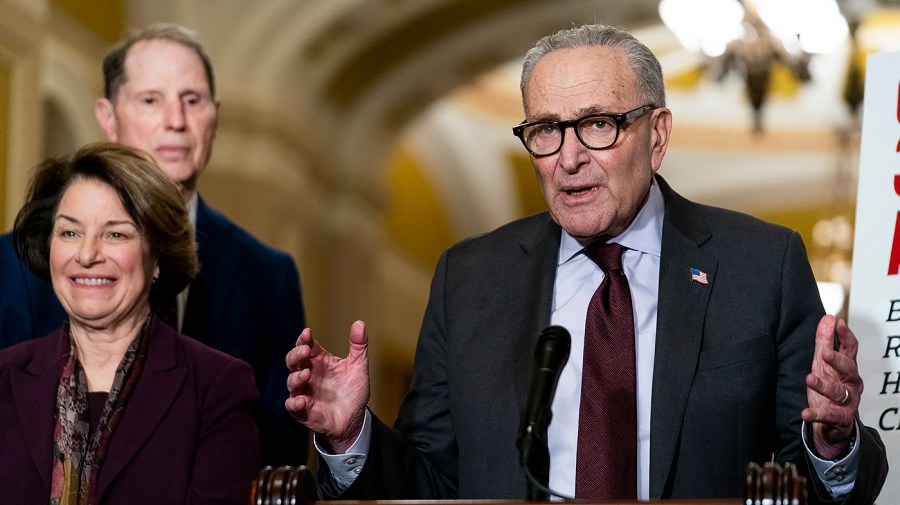
Chuck Schumer, the Senate Democratic Leader, announced on Thursday that he will compel Republican senators to vote next week on a proposed three-year extension of enhanced health insurance premium subsidies. These subsidies are set to expire in January 2024, affecting millions of Americans who rely on them for affordable health care.
This move marks a significant step in the ongoing negotiations surrounding health care funding. The subsidies, which were introduced as part of the American Rescue Plan in March 2021, have provided critical financial support to individuals and families during the pandemic. With the expiration date approaching, Democrats aim to ensure continued access to affordable health coverage.
Senate Majority Leader John Thune of South Dakota, who oversees the Senate floor schedule, has committed to allowing a vote on this matter. While he typically controls the legislative agenda, Thune’s assurance indicates a willingness to engage with Democratic priorities, at least on this specific issue.
Implications for Health Care Access
The potential extension of these subsidies is crucial, given that they have significantly reduced the cost of health insurance for many Americans. According to estimates, nearly ten million individuals could benefit from the continuation of these financial aids. If the subsidies are not renewed, many could face substantial increases in their insurance premiums, leading to decreased access to necessary medical services.
Democrats argue that extending these subsidies is not only a matter of health care equity but also essential for economic stability. They contend that maintaining affordable health care options will help families avoid financial burdens, particularly as inflation continues to impact household budgets.
On the other side, Republican senators have expressed concerns regarding the long-term impacts of such subsidies on federal spending. They argue that the government should focus on reducing costs rather than expanding financial assistance. The upcoming vote will likely serve as a pivotal moment, revealing the divisions between the two parties on health care policy.
Next Steps in the Legislative Process
As the Senate prepares for this vote, both parties will likely ramp up their efforts to sway public opinion. Advocacy groups are expected to mobilize supporters to contact their senators, emphasizing the importance of these subsidies for health care access.
With the vote scheduled for next week, the outcome could have lasting implications not only for health care policy but also for the political landscape as the nation heads toward the 2024 elections. The Democratic Party aims to highlight their commitment to health care affordability, while Republicans will likely position themselves against what they perceive as excessive government spending.
In conclusion, the Senate’s decision regarding the three-year extension of health insurance subsidies will play a critical role in shaping the future of health care access for millions of Americans. The upcoming vote will test the resolve of both parties as they navigate the complexities of health care reform and its impact on their constituents.