
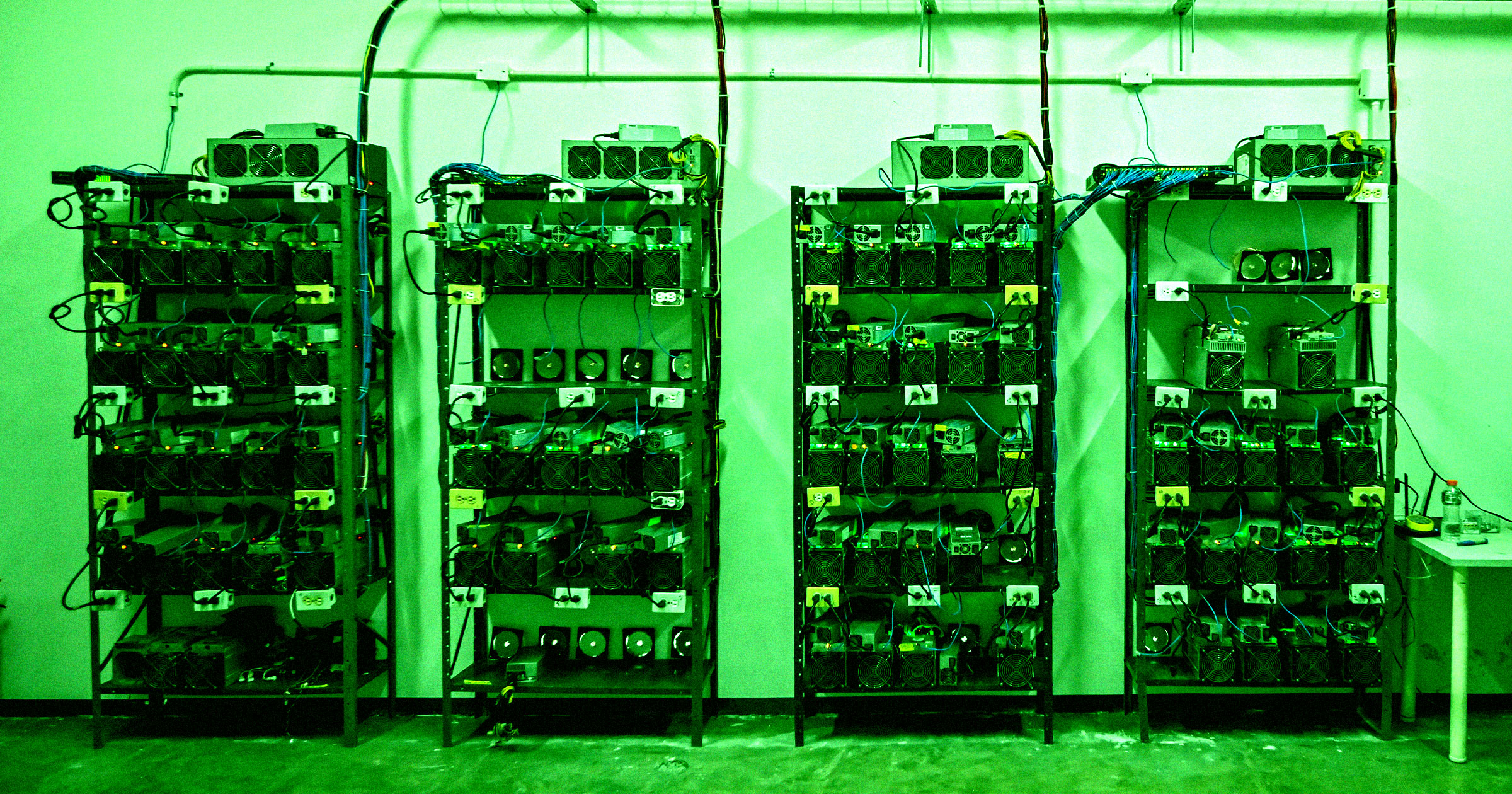
Local authorities in Malaysia are engaged in a significant crackdown on illegal Bitcoin mining operations, with approximately 14,000 sites under investigation for allegedly stealing around $1.1 billion in electricity over the past five years. The Malaysian police are employing advanced technology, including drones and handheld sensors, to identify irregular power usage associated with these clandestine activities.
The surge in Bitcoin’s popularity, which saw the cryptocurrency reach a peak of over $126,000 in October 2023, has driven many miners to operate outside the law. While the price has since declined, the profitability of mining remains enticing, leading some individuals to resort to theft to power their operations.
These illegal mining activities have had severe repercussions for Malaysia’s state-owned energy company, Tenaga Nasional, which has reported significant losses due to the theft of electricity. The Deputy Minister of Energy Transition and Water Transformation, Akmal Nasir, who heads a special task force aimed at eradicating these operations, expressed concerns about the broader implications of such activities. He stated, “The risk of allowing such activities to happen is no longer about stealing. You can actually even break our facilities. It becomes a challenge to our system.”
Impact on National Infrastructure
The ongoing issue of illegal Bitcoin mining is not unique to Malaysia. Similar challenges have emerged in other countries, including Iran, where illegal mining operations contributed to power outages last year, igniting a national debate on energy consumption. In Kuwait, authorities have also imposed restrictions on crypto mining in response to a significant power crisis that resulted in widespread blackouts.
Globally, Bitcoin mining operations consume an extraordinary amount of energy, surpassing the total electricity usage of some countries. According to a report by the University of Cambridge, the United States currently accounts for over 75 percent of Bitcoin mining activities. This has raised concerns about environmental sustainability, particularly as other cryptocurrencies, such as Ethereum, have developed more energy-efficient methods for validating transactions.
Illegal Operations Thrive
The allure of easy profits has led many to establish illegal mining operations throughout Malaysia, often repurposing abandoned malls and industrial spaces as mining sites. Unlike legal operations, which must pay for electricity and taxes, those engaging in theft find the potential benefits outweigh the risks of being caught.
Despite the operational challenges in the volatile cryptocurrency market, Akmal Nasir emphasized the organized nature of these illegal activities, likening them to operations run by a syndicate. He noted, “It does have modus operandi,” indicating a level of sophistication in their operation.
As authorities intensify their efforts to combat illegal Bitcoin mining, the situation remains fluid. The balance between cryptocurrency’s potential economic benefits and its implications for national infrastructure continues to be a pressing issue for Malaysia and other countries grappling with similar challenges.


