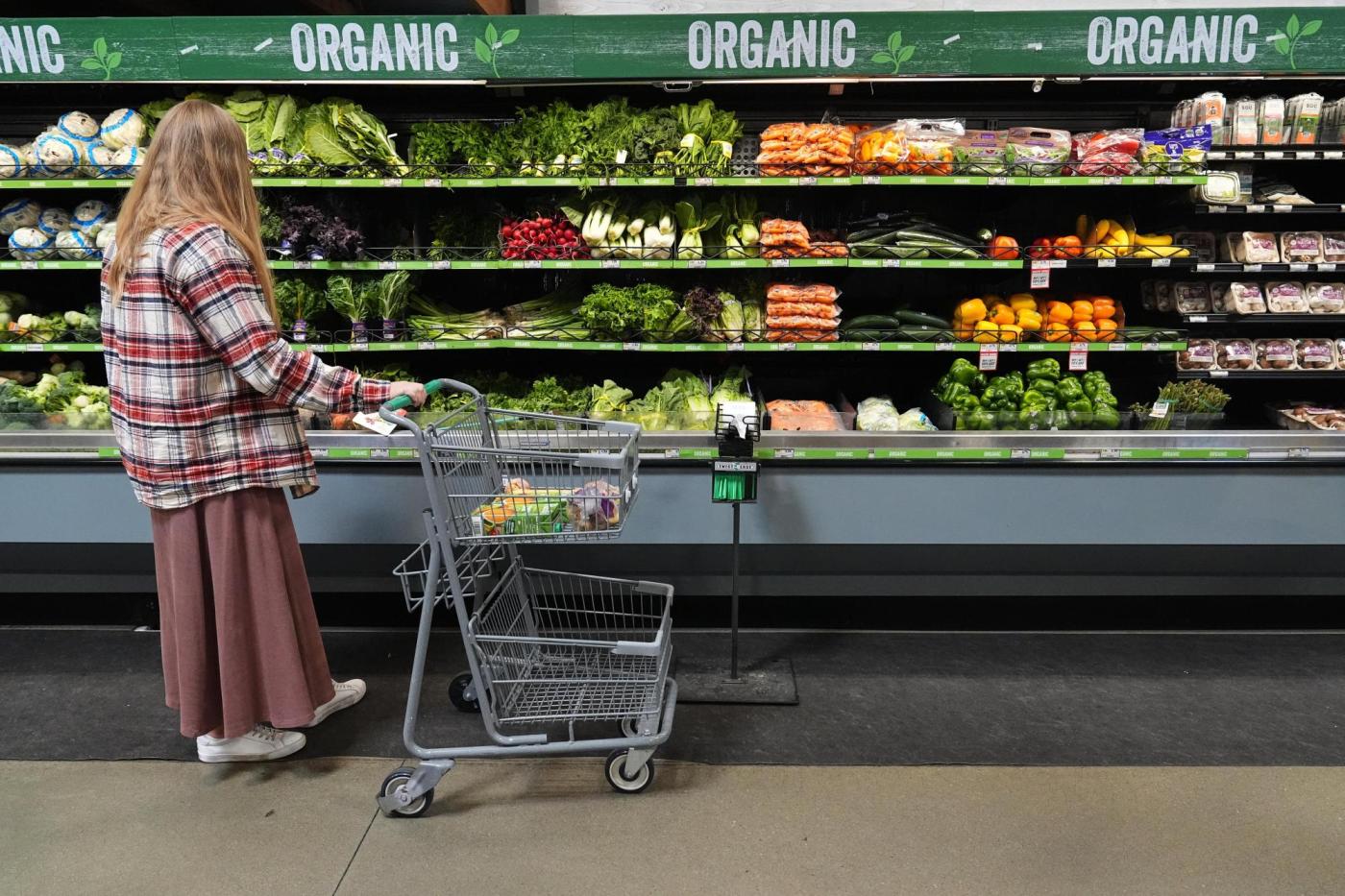
UPDATE: A heated debate over the effectiveness of funding grocery stores in low-income areas is igniting controversy among officials and community leaders. Just last month, a new grocery store opened in Lynwood, backed by $5.1 million in state funds aimed at revitalizing a long-vacant site. This initiative is part of a broader effort by LA County‘s Food Equity Fund, which has distributed $20 million since 2024 to combat food deserts.
The concept of food deserts—areas lacking easy access to affordable, nutritious food—is under scrutiny as officials grapple with the best solutions. Governor Gavin Newsom vetoed a recent Senate Bill designed to expand grants for grocery stores in these areas, citing ineffective outcomes. Research from NYU reveals that hundreds of millions have been spent on encouraging grocery store openings in food deserts, yet many struggling families still opt for unhealthy fast food instead of fresh produce.
Critics argue that simply placing more grocery stores in these neighborhoods does not address the underlying issues contributing to poor health outcomes. A USDA-funded survey highlighted that the average SNAP recipient lives only 1.96 miles from a supermarket, yet they often travel 3.15 miles to shop at stores they prefer, indicating a choice rather than an accessibility issue.
New York City’s mayor-elect Zohran Mamdani is advocating for government-run grocery stores, claiming they would provide affordable options for residents in food deserts. However, many question the practicality of this solution, suggesting that the journey to a grocery store—even one mile away—does not hinder customers’ choices.
Research published in the Quarterly Journal of Economics examined how the opening of supermarkets in food deserts impacted purchasing habits. Despite having access to new grocery options, households did not significantly increase their healthy food purchases; instead, they simply found it more convenient to buy junk food.
With many low-income communities facing severe health disparities, the call for effective solutions grows louder. Observers urge that addressing the root causes of poverty and providing educational outreach on nutrition could yield better results than merely increasing grocery store availability.
As the debate continues, community leaders and policymakers must consider whether the current approach is sufficient or if a shift towards more comprehensive strategies is necessary. The conversation around food deserts remains urgent as advocates for change push for more effective solutions that truly address the health needs of vulnerable populations.
Stay tuned for updates on this evolving story as officials and community members weigh in on the future of food access.