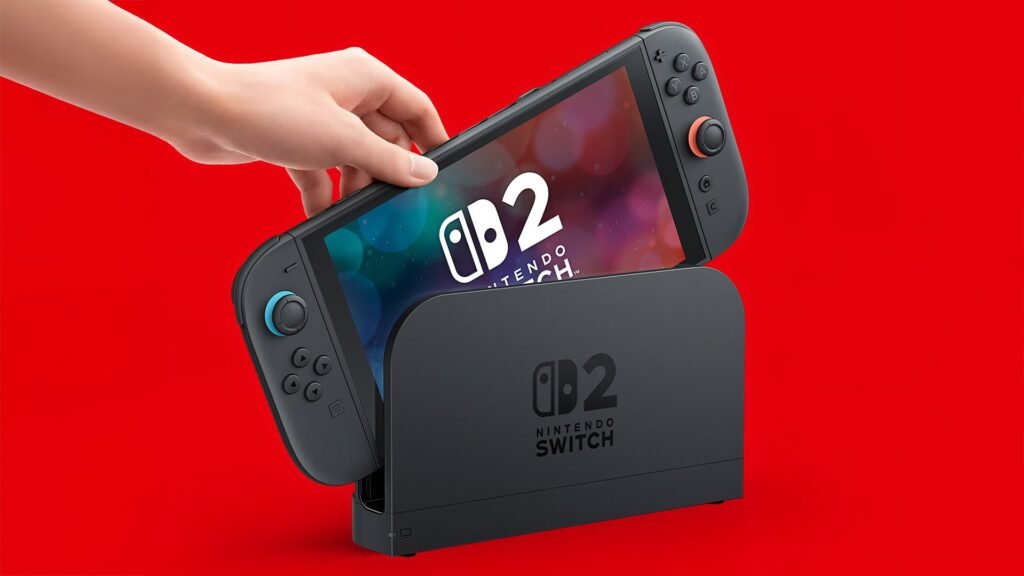
Nintendo is grappling with a significant financial challenge as the cost of RAM and flash memory continues to rise sharply. This surge in prices is exerting pressure on the company’s profit margins, which has led to concerns among investors regarding the potential impact on sales figures for its products.
The price of RAM for the newly released Switch 2 has increased by approximately 40%, complicating Nintendo’s efforts to maintain profitability. Following the successful launch of the Switch 2, the company had previously raised its sales expectations for the year. However, the current memory crisis, largely driven by heightened demand from the artificial intelligence sector, has created an unexpected obstacle for the Japanese gaming giant.
According to a report by Bloomberg, Nintendo’s share price dropped by as much as 4.7 percent in one day, reflecting investor anxiety over the escalating memory costs. Over the past week, Nintendo has lost nearly 10 percent of its market value, totaling a staggering $14 billion loss. This decline underscores the vulnerability of the company’s financial outlook amidst rising hardware costs.
The total installed RAM of 12 gigabytes in the Nintendo Switch 2 has seen a price increase of 41 percent in just a few weeks, while the cost of flash memory has risen by 8 percent. Market analysts indicate that the initial optimism surrounding the Switch 2’s sales is diminishing as Nintendo’s profit margins shrink. If the company opts to raise prices to compensate for increased costs, it risks making the console less appealing to consumers, potentially leading to a decline in demand.
Additionally, the memory cards necessary for the Switch 2, due to the device’s limited capacity, are also experiencing steep price hikes. The cost of a fast read and write memory card, essential for optimal performance of the Switch 2, is higher than that of standard models, resulting in increased costs for consumers.
In response to these challenges, Nintendo is reportedly considering a unique strategy. Shortly after the launch of the Switch 2, the company introduced a discounted bundle that includes the popular game Mario Kart, effectively offering the game for free with the purchase of the console. This move appears to be an attempt to drive hardware sales swiftly, allowing Nintendo to capitalize on game and service revenues before anticipated declines in hardware sales due to rising memory prices.
As Nintendo navigates this memory crisis, the company remains focused on adapting its strategies to sustain profitability in a rapidly changing market landscape. The outcome of these efforts will be closely monitored by both investors and consumers alike.