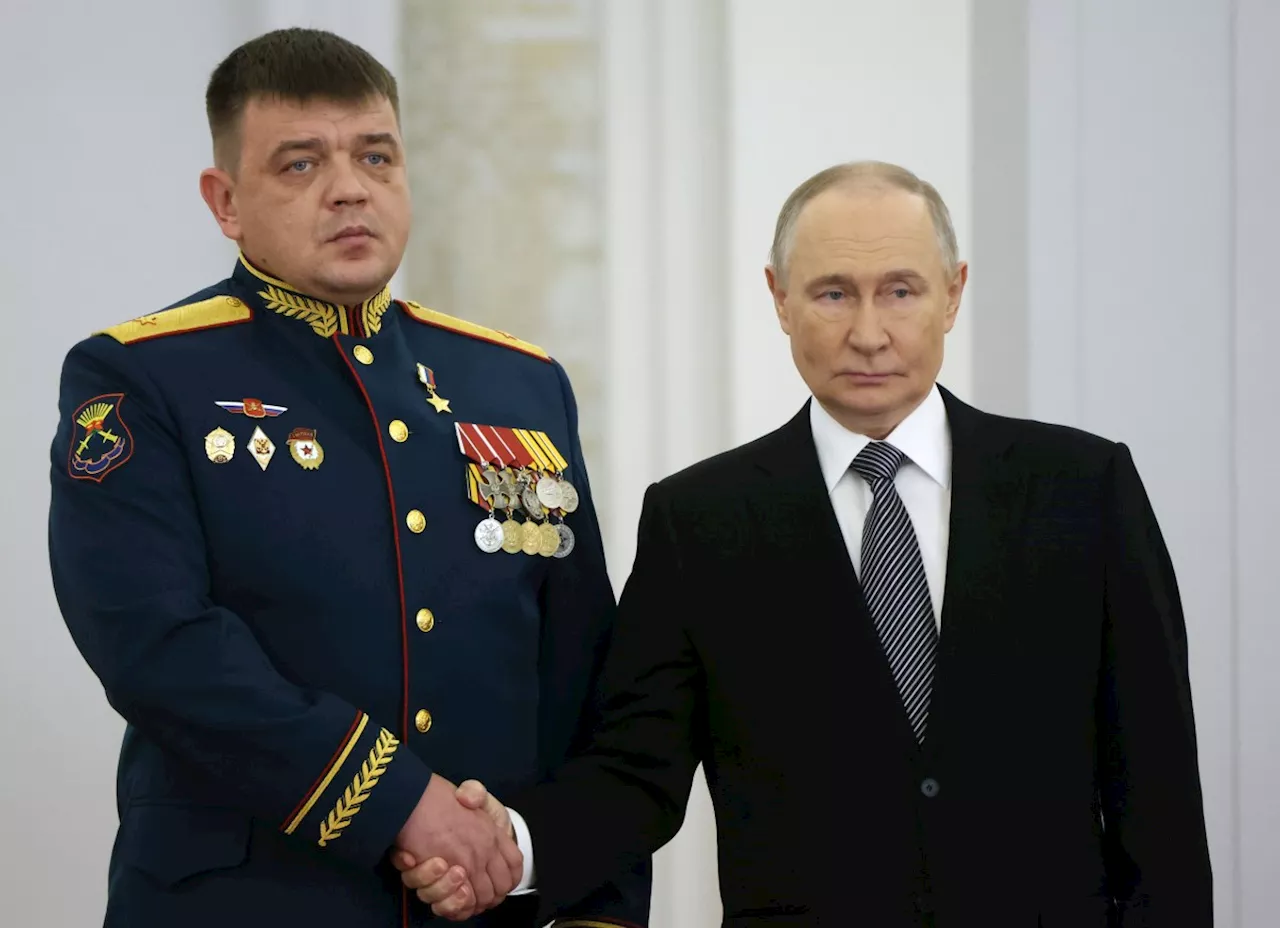
URGENT UPDATE: Russian Foreign Minister Sergei Lavrov announced today that President Vladimir Putin is open to providing security guarantees for Ukraine as part of ongoing peace negotiations. This development comes as the situation in Ukraine remains tense, with Lavrov stressing that any guarantees must also encompass Russia.
In a meeting in Moscow with envoys from former US President Donald Trump, Lavrov outlined Russia’s willingness to formalize these security guarantees through a legally binding treaty. He referenced Moscow’s previous proposals to NATO and emphasized that the scope of these guarantees cannot be limited to Ukraine alone.
While discussing potential peacekeeping troops in Ukraine, Lavrov rejected this notion, stating that such deployments would make them “legitimate targets for the Russian armed forces.” This statement highlights the risk of escalating tensions in the region, as he urged European nations to recognize the implications of such actions.
Meanwhile, Trump advised Ukrainian President Volodymyr Zelensky to adopt a “realistic” approach to the ongoing conflict. Speaking on Wednesday, he questioned the timing of Ukraine’s upcoming elections, indicating that European leaders are eager for his involvement in peace talks but he remains cautious.
The complexities of these discussions are underscored by Zelensky’s recent consultations with European allies, who are concerned about Trump potentially pressuring Ukraine to accept unfavorable terms that could reward Russia for its ongoing aggression.
Zelensky, facing domestic challenges due to a corruption scandal involving high-ranking officials, expressed his commitment to hold elections, contingent on the support from the US and Western allies to ensure their security. However, he firmly opposed any territorial concessions to Russia, asserting he lacks the legal and moral authority to concede land.
The situation continues to evolve rapidly, reflecting the intricate dynamics of international diplomacy, security concerns, and domestic political pressures. As the United States and its allies navigate their responses, the potential for conflict remains high. The upcoming negotiations will be critical, as each party seeks to establish a framework for lasting peace in the region.
Stay tuned for updates as this situation develops. The interplay of military strategy, diplomatic negotiations, and political considerations will significantly shape the outcome of these high-stakes discussions.