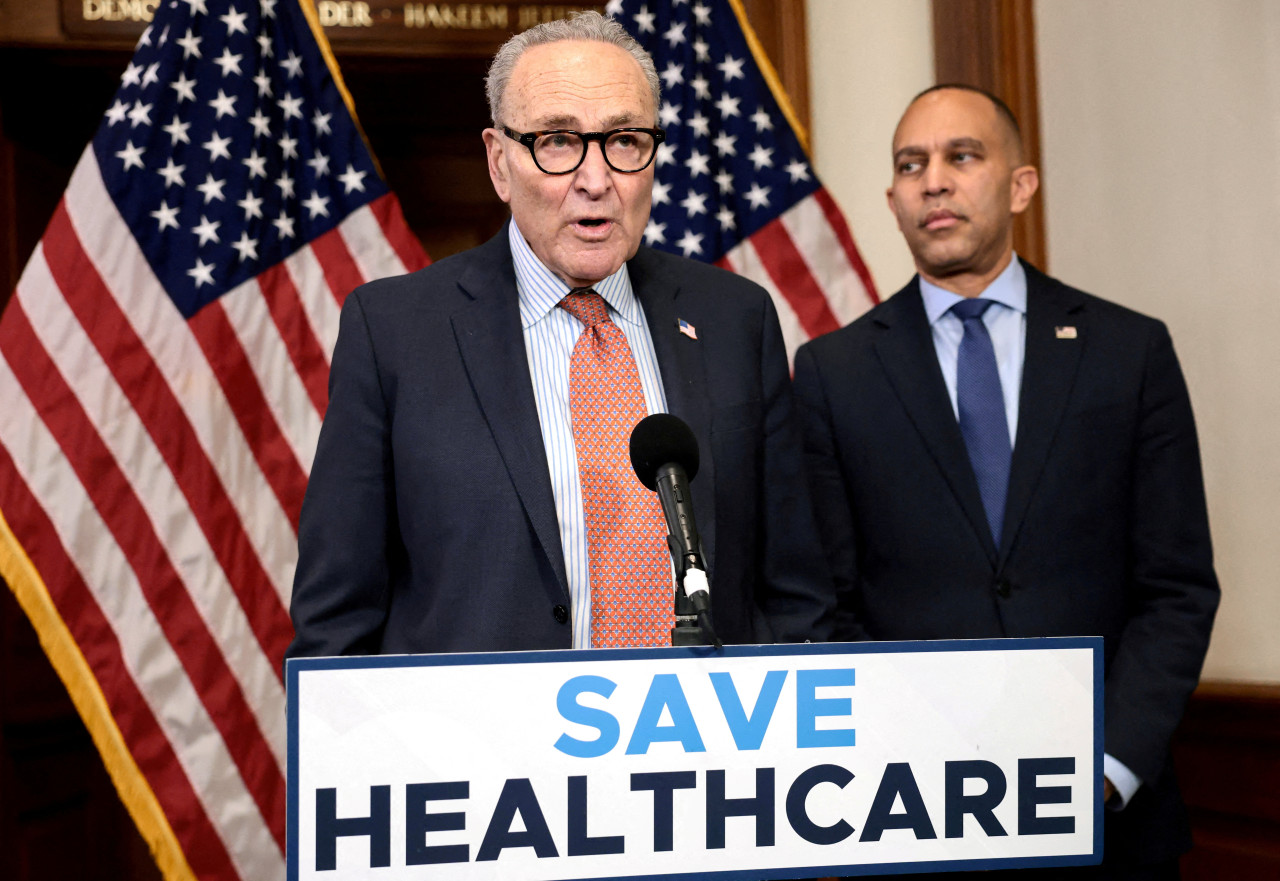
The United States Senate is set to vote on two contrasting healthcare proposals that could significantly impact millions of Americans. The Republican plan aims to establish health savings accounts, while the Democratic measure seeks to extend subsidies provided under the Affordable Care Act (ACA) for an additional three years.
This pivotal vote, scheduled for March 2024, follows intense negotiations among lawmakers from both parties. The GOP’s proposal would allocate funds to create health accounts, allowing individuals to manage their healthcare expenses more directly. This approach is framed as a move toward personal choice and is intended to give consumers more control over their healthcare spending.
On the other side, the Democratic initiative focuses on maintaining the subsidies that have been a lifeline for many during the past few years. According to Senator Debbie Stabenow, the extension of these subsidies is crucial to ensure that families can afford necessary medical care. She emphasized that “the ACA has saved lives, and we must continue to protect it.” The proposed extension would maintain the current subsidy levels, which average around $1,400 per individual.
Political Implications and Legislative Strategy
As the vote approaches, both parties are mobilizing their resources to sway public opinion and secure the necessary votes. The GOP argues that their plan is a more effective solution for rising healthcare costs, while Democrats warn that dismantling ACA subsidies could lead to millions losing coverage.
Senator John Barrasso, a prominent voice in the Republican Party, stated that the health accounts would provide more flexibility and choice for consumers. He urged his colleagues to support the measure, arguing that it would lead to a more competitive healthcare marketplace.
Conversely, Democrats are rallying around the idea that the ACA has significantly improved healthcare access, particularly for low-income families and those with pre-existing conditions. The potential loss of subsidies could result in higher premiums and reduced healthcare access, a concern echoed by several Democratic senators.
Public Response and Future Outlook
Public response to the proposed plans has been mixed, with healthcare advocacy groups urging Congress to prioritize patient access over political agendas. Many citizens are anxious about the potential outcomes of the vote, given the critical role that healthcare plays in their daily lives.
Healthcare experts emphasize the importance of both proposals and the need for a balanced approach that addresses the diverse needs of the population. According to a report by the Kaiser Family Foundation, nearly 30 million Americans remain uninsured, highlighting the urgent need for comprehensive solutions.
The Senate vote is not only a legislative decision but also a reflection of broader political dynamics as both parties prepare for upcoming elections. The outcome could have lasting implications for healthcare policy and the American public’s access to necessary medical services.
As the debate continues, all eyes will be on the Senate to see which proposal will prevail and how it will shape the future of healthcare in the United States.