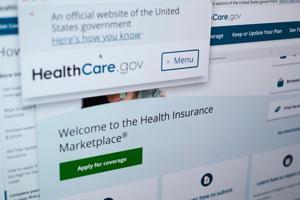
On April 25, 2024, the United States Senate will cast votes on two competing health care bills that could significantly impact millions of Americans. The outcome of this vote is crucial as it addresses the expiration of COVID-era subsidies, which, if not renewed, may lead to increased insurance costs for many.
Health Plans Overview
The first bill, championed by the Democratic Party, aims to extend the subsidies that have been a lifeline for individuals and families during the pandemic. These subsidies have enabled millions to afford necessary health coverage amidst economic challenges. Without this support, experts warn that families could face average premium increases of up to $600 annually.
In contrast, the Republican Party proposes an alternative plan that emphasizes reducing government spending on health care. This approach seeks to shift the focus towards private sector solutions rather than continued government support. While proponents argue this could lead to more competitive pricing, critics contend that it may leave vulnerable populations without adequate coverage.
Potential Impact on Americans
The stakes are particularly high for low- and middle-income Americans who heavily rely on these subsidies. According to a report from the Department of Health and Human Services, approximately 14 million people could lose their financial assistance if the Senate fails to pass the Democratic bill.
Advocates for the Democratic measure emphasize that health care should remain accessible and affordable, especially in light of ongoing economic uncertainties. “Health care is a right, not a privilege,” stated Senator Elizabeth Warren (D-MA) during a recent press conference. “We must protect those who are most at risk of losing their insurance.”
Conversely, supporters of the Republican plan argue that the focus should shift towards long-term sustainability. Senator Rand Paul (R-KY) articulated his concerns about the fiscal implications of continued subsidies. “We cannot keep throwing taxpayer money at a system that is failing to deliver,” he commented, advocating for a more market-driven approach.
The Senate’s decision on these health plans will not only impact the immediate financial situation of millions but will also set a precedent for future health care policies. As the votes approach, both parties are ramping up their efforts to sway public opinion and garner support.
With the potential consequences being so significant, constituents across the nation are paying close attention to this legislative battle. The outcome could reshape the landscape of health care accessibility in the U.S. for years to come.