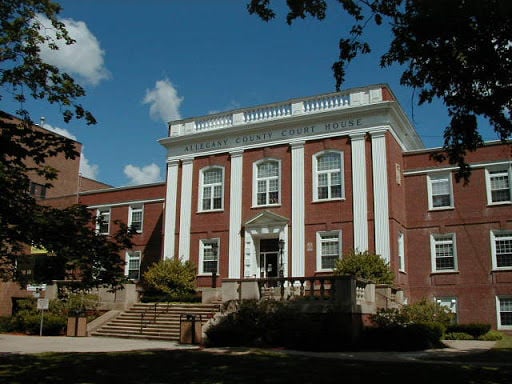
Residents of Allegany County are calling for greater accountability from local leaders amid growing concerns about government corruption and lack of transparency. In a letter to the editor, local citizen Joshua Johnston highlights a troubling trend where political cooperation seems to overshadow genuine public service. Johnston points out that federal investigations into corruption have been dropped in exchange for political favors, illustrating a pattern that has persisted through various administrations.
The situation in Allegany County is particularly concerning. Johnston notes that the county legislature voted to expand its ability to exceed tax caps during a workday, effectively preventing many residents from voicing their opinions. This decision, coupled with self-approved pay raises for legislators while many residents face rising living costs, raises questions about priorities within local governance.
With a population of approximately 47,000 residents, Allegany County is served by 15 legislators. In contrast, nearby Erie County, which has nearly 950,000 residents, operates effectively with just 11 legislators. This disparity highlights concerns about government efficiency and accountability. Johnston argues that citizens are not only financing a bloated government but are also witnessing officials prioritize their interests over those of the public.
Residents are feeling the impact of these decisions on essential services. Many rely on SNAP benefits and affordable healthcare, while local businesses depend on customers with disposable income. Johnston stresses that when leadership makes policies that undermine these critical programs without viable alternatives, the community suffers through empty storefronts and families forced to choose between basic necessities like groceries and medications.
Johnston emphasizes that the ongoing pattern of government officials avoiding accountability is evident at all levels of leadership. He points out that local representatives, including those in Congress, often sidestep direct engagement with constituents. For example, town halls have become less frequent as representatives screen phone calls instead of addressing concerns in person.
Despite these challenges, Johnston encourages residents to take action. He reminds them that county meetings are public, and representatives have offices and contact information available. He urges citizens to attend meetings, voice their concerns, and demand better governance from all elected officials, regardless of their political affiliation.
The core issue transcends party lines: it is about whether elected officials should be accountable to the people they represent. As Johnston puts it, “The question isn’t whether you’re conservative or progressive. It’s whether you believe the people we elect should answer to us.”
Re-establishing this common ground is vital for the future of Allegany County. The call for transparency and accountability is not just a local issue; it resonates with communities across the nation facing similar challenges. As residents push for change, the hope is that local governance can return to being a true representation of the people’s needs and values.