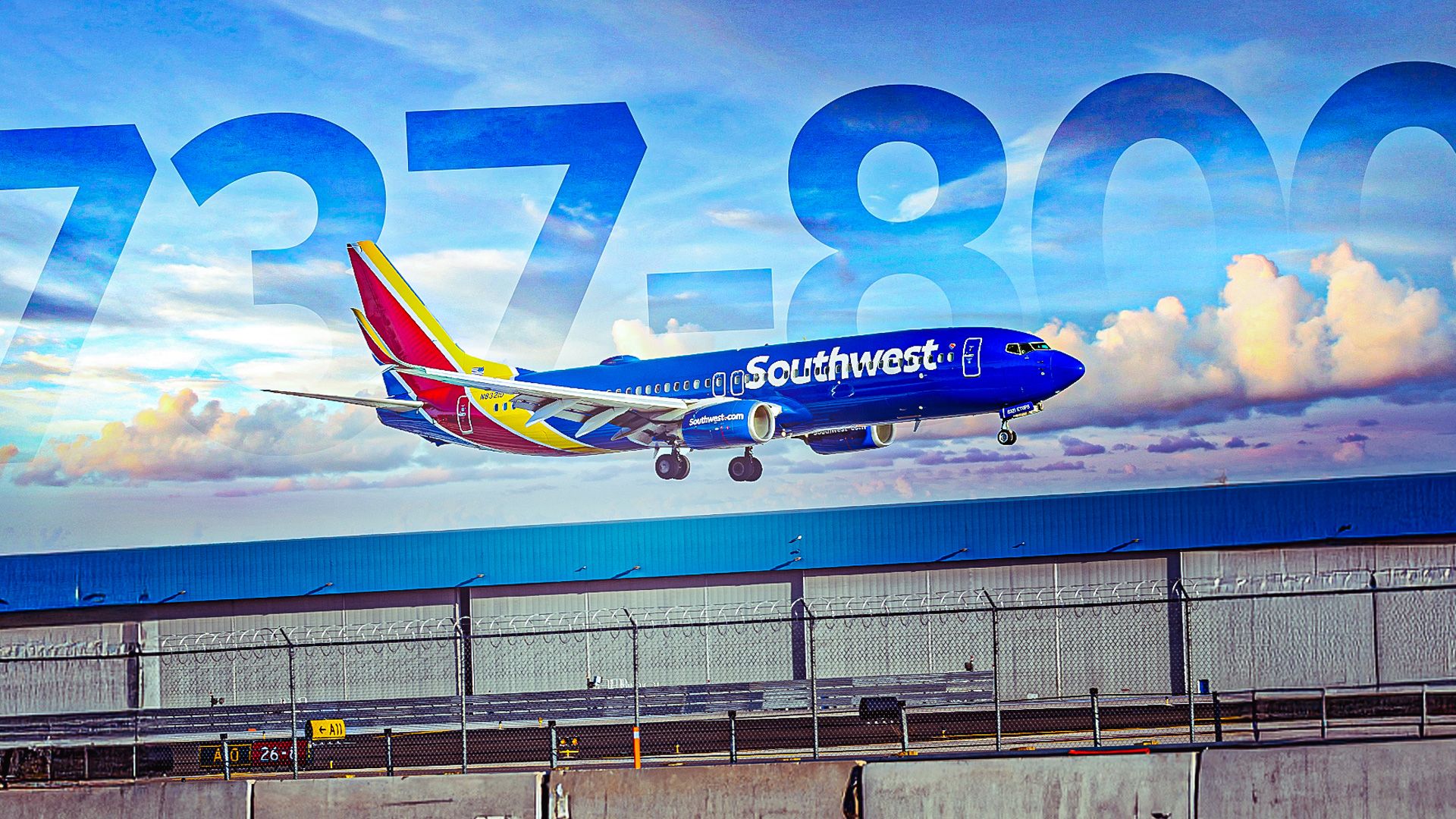
On March 20, 2025, a serious incident involving a Southwest Airlines Boeing 737-800 nearly escalated at Orlando International Airport (MCO) when the aircraft commenced its takeoff roll on a taxiway instead of the designated runway. Fortunately, air traffic control intervened just in time, canceling the takeoff clearance, which allowed the pilots to abort the attempt and safely return to the apron with all 152 passengers and six crew members unharmed.
The National Transportation Safety Board (NTSB) has concluded that the incident was primarily due to pilot error. According to the final report released in collaboration with the Federal Aviation Administration (FAA) on December 11, the captain failed to recognize the aircraft’s location, mistaking the taxiway for the assigned departure runway. This error occurred despite the aircraft being cleared for takeoff.
Investigation Findings
During the investigation, the captain recounted the sequence of events leading to the mistaken takeoff. After receiving takeoff clearance, the crew inadvertently turned right onto taxiway H2 instead of continuing to runway 17R. Prior to powering up the engines, the crew cleared the runway and final approach but overlooked critical visual cues indicating they were on a taxiway.
The captain indicated that he had seen the sign for runway 17R but failed to realize that the surface he was on was not a runway. He explained that his attention was focused on centering the aircraft and completing pre-takeoff checklist items, which may have contributed to his oversight.
Investigators highlighted that the parallel orientation of the taxiway to the runway added to the confusion, as signage remained directly in front of the cockpit. When questioned about verifying the painted runway numbers, the captain stated he could not see them from his position, relying instead on lighting, magnetic course, and a moving map display for navigation during taxiing.
Standard Operating Procedures Violations
The NTSB found that the captain did not adhere to Southwest Airlines’ standard operating procedures (SOP) during the incident. The SOP outlines various references to confirm an aircraft’s position for takeoff, including aircraft heading indicators, navigation displays, runway signage, and runway lighting.
Among the crucial failures noted in the report was the captain’s inability to recognize the yellow painted centerline and the significant differences in surface texture between the taxiway and the runway. Additionally, the first officer was distracted by the captain’s requests to confirm checklist items while the aircraft was turning onto the taxiway, which also contravened established SOPs.
The incident highlights the importance of strict adherence to operational procedures, particularly in high-traffic environments like Orlando International Airport, especially during peak travel times such as the spring break season in Florida. The NTSB’s investigation serves as a reminder for all airlines to prioritize safety through rigorous training and compliance with operational protocols.