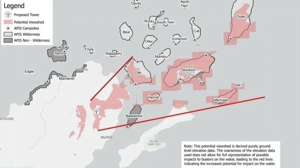
A coalition of local residents, known as the Citizens for Land Use and Transparency, has successfully halted plans for a cell phone tower in northern Bayfield County. The proposal had faced significant opposition from community members who expressed concerns about the potential impact on the area’s landscape and property values.
The decision came after a series of public meetings where residents voiced their objections. Community members argued that the installation of the cell tower would disrupt the rural character of the region and could pose health risks due to increased electromagnetic radiation exposure.
In response to the outcry, the Bayfield County Planning Commission voted on October 15, 2023, to deny the application for the tower. According to commission members, the concerns raised by residents were taken seriously, and they determined that the potential benefits of improved cell service did not outweigh the community’s apprehensions.
Community Engagement Drives Decision
The mobilization of residents played a crucial role in the outcome. The Citizens for Land Use and Transparency organized meetings, gathered signatures for petitions, and presented a united front at public hearings. Their efforts highlighted the importance of community involvement in local governance and land use decisions.
One member of the group, Sarah Thompson, stated, “We felt it was crucial to voice our concerns and protect the integrity of our community. This decision shows that when people come together, they can influence local development.”
The proposed site for the cell tower was located near several residential areas, which heightened fears among residents. Many believed that the tower would not only detract from the natural beauty of the landscape but also diminish property values in the vicinity.
Future of Communication Infrastructure in the Region
While the decision is a victory for the residents, it raises questions about the future of communication infrastructure in Bayfield County. As demand for reliable cell service continues to grow, alternative solutions may need to be explored.
Local officials may now seek to engage with residents more effectively to address both community concerns and the need for improved telecommunications. The balance between development and preservation of community values remains a critical issue in planning discussions moving forward.
The residents’ successful campaign against the cell tower proposal underscores the potential impact of civic engagement in local governance. As technology evolves, communities will likely continue to face similar challenges, emphasizing the need for proactive dialogue between citizens and decision-makers.