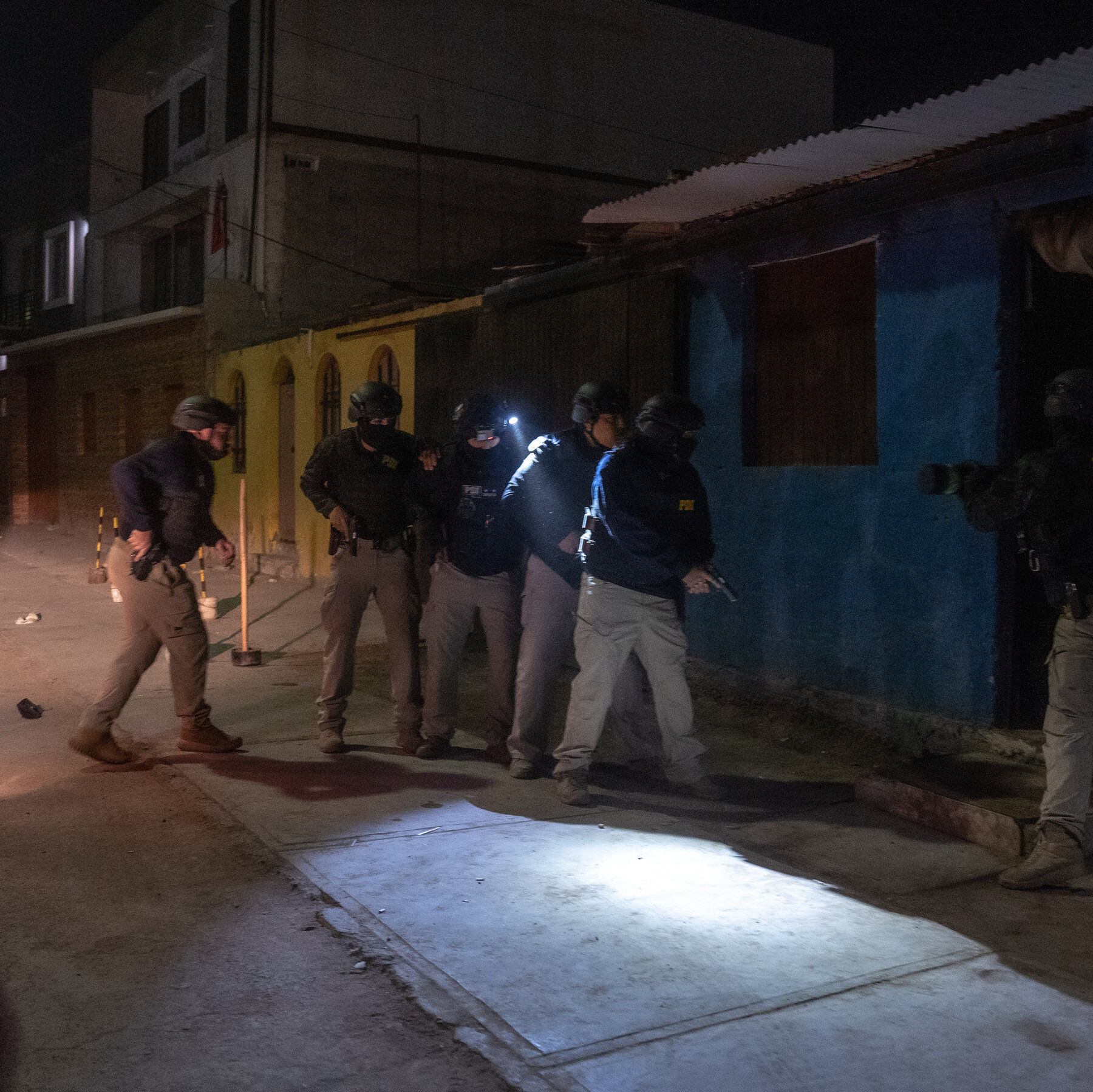
Security concerns have surged to the forefront of political discourse in Chile, prompting a potential shift towards right-wing governance. As fear of crime escalates across Latin America, Chilean voters are increasingly advocating for stringent measures to address public safety.
Public sentiment regarding crime has intensified significantly in recent months. According to a recent poll conducted by the Chilean research firm, *Cadem*, approximately 75% of respondents identified crime as their primary concern. This anxiety mirrors broader trends seen throughout Latin America, where rising violence has pushed citizens to demand more decisive action from their governments.
The political landscape in Chile is evolving rapidly, with upcoming elections expected to reflect this shift. The ruling coalition is under pressure to respond effectively to voter demands, particularly from those advocating for iron-fisted measures. As candidates gear up for the electoral battle, the right-wing factions are positioning themselves as the solution to growing insecurity.
In the past year, crime rates in Chile have reportedly increased by 20%, with violent incidents becoming more commonplace. This surge has sparked public outcry, leading to protests and calls for tougher law enforcement strategies. Many citizens are expressing a desire for leadership that prioritizes safety and security, aligning themselves with candidates who promise to take a hardline approach.
The forthcoming elections, scheduled for November 2025, are anticipated to be pivotal for Chilean politics. Analysts suggest that the outcome could significantly alter the country’s governance and policies. Right-wing parties are capitalizing on the pervasive fears surrounding crime, rallying support by promising to restore order and safety.
Political analysts have observed a notable shift in voter demographics as well. Traditionally left-leaning factions are finding it increasingly difficult to maintain their foothold as citizens focus more on immediate safety concerns than on progressive social issues. This shift may lead to a reconfiguration of alliances and priorities within the political sphere.
As Chile navigates these turbulent waters, the implications extend beyond its borders. The rise of right-wing sentiments in Chile may resonate with voters in other Latin American countries facing similar challenges. Regional trends indicate a growing desire for leaders who prioritize security and stability, potentially reshaping the political landscape throughout the continent.
In response to these developments, current political leaders are urged to craft comprehensive strategies that address both crime and public concern. Balancing the need for security with civil liberties will be a critical challenge moving forward. How the government responds to these pressures will likely determine its future trajectory and influence the region’s political dynamics.
The national discourse surrounding crime and security reflects a broader reckoning within Latin America. As residents call for stronger measures, the political ramifications for Chile could be profound, setting a precedent for neighboring nations grappling with similar issues. As the November 2025 elections approach, the world will be watching to see how Chileans choose to address their growing fears and reshape their future.