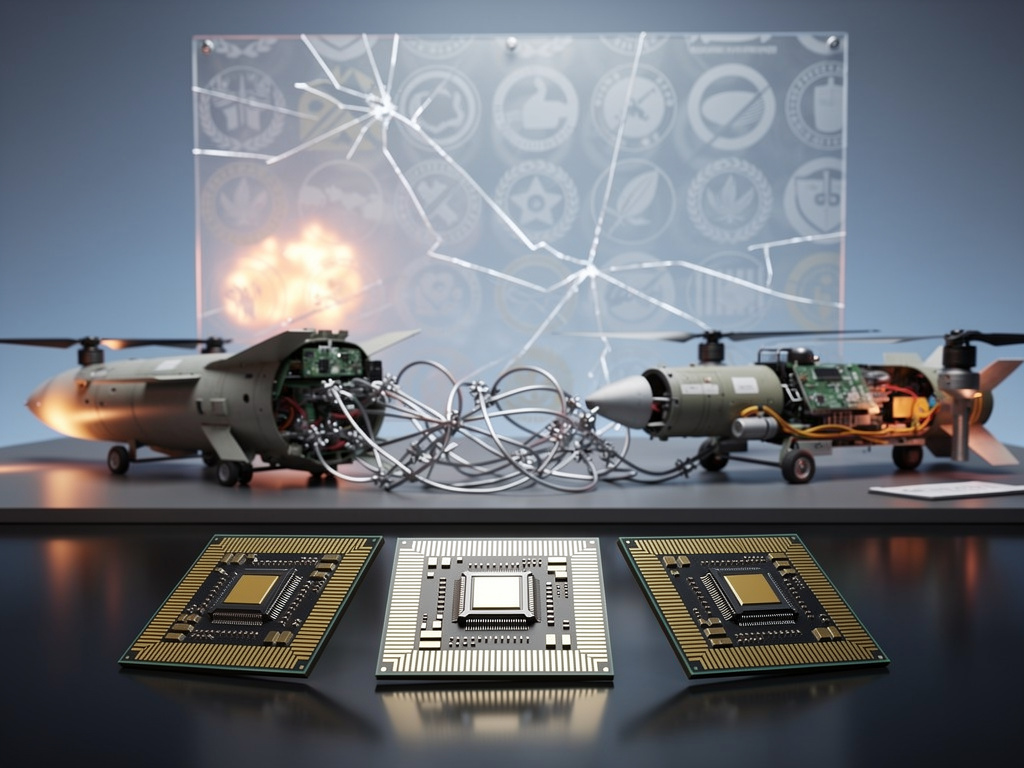
BREAKING: In a stunning legal action, Intel Corp. and Advanced Micro Devices Inc. (AMD) face lawsuits accusing them of indirectly fueling Russian military aggression against Ukraine. Victims of missile strikes have filed these lawsuits, claiming that chips from these tech giants were used in attacks on Ukrainian civilians, despite U.S. sanctions designed to prevent such occurrences.
The lawsuits, filed by prominent attorney Mikal Watts and the law firm Baker & Hostetler, spotlight critical lapses in corporate oversight. These legal actions allege that chips from Intel, AMD, and Texas Instruments Inc. have continued to power Russian missiles and drones between 2023 and 2025—a clear violation of export controls enacted after Russia’s 2022 invasion of Ukraine.
According to court documents, components originating from these U.S. firms were allegedly found in Iranian-made drones and Russian KH-101 cruise missiles. Despite strict sanctions, intermediary countries such as Turkey and Hong Kong are said to have acted as conduits for these restricted goods, raising serious questions about corporate compliance and accountability.
The legal filings express outrage over what they describe as “willful ignorance” from Intel and AMD regarding their distribution networks. Reports indicate that the complexity of global supply chains makes it challenging for companies to monitor their products post-sale, allowing chips to be rerouted illegally into military applications.
Experts emphasize that semiconductors are key components in modern weaponry, and the failure to regulate their distribution could have catastrophic consequences. Social media discussions have intensified scrutiny, with calls for accountability from both the tech industry and government officials.
In response, both companies have denied any violations. Intel reaffirmed its commitment to sanctions, claiming it has suspended shipments to Russia since 2022. AMD pointed to its cooperation with U.S. authorities, yet critics argue these measures are insufficient given the extent of the allegations.
The lawsuits not only seek financial compensation for victims—estimated in the millions—but also demand systemic changes to improve tracking technologies for semiconductor distribution. Regulatory experts have highlighted significant gaps in U.S. enforcement, as companies are primarily responsible for ensuring compliance.
The stakes are high. Following the announcements, stock prices for both Intel and AMD have dipped, reflecting investor concerns over potential fines and reputational damage. Analysts warn that tighter export controls could soon be implemented, potentially impacting a broader range of technologies.
Ukraine’s government has long called for stricter enforcement of sanctions. Officials like Inna Sovsun have highlighted how Western components continue to fuel Russian military operations, intensifying the need for corporate accountability in the tech sector.
As investigations continue, the ripple effects of these lawsuits could reshape the landscape of international tech regulations. The implications are profound: if successful, these cases could set new precedents for corporate liability in wartime contexts, forcing companies to prioritize ethical considerations over profit.
With trials looming, tech giants are bolstering their defenses. Intel has announced plans for expanded audits of distributors, while AMD is investing in AI-driven monitoring systems. However, critics remain skeptical about whether these measures will be enough to prevent future breaches.
The human stories behind these legal actions are equally compelling. Victims’ narratives depict the harrowing consequences of missile strikes, including a devastating attack in 2024 that killed 15 people in a Kyiv apartment block, allegedly guided by AMD technology. Such accounts underscore the urgent need for corporate responsibility in the tech industry.
As the legal battles unfold, the potential for systemic reform looms large. The outcome may not only redefine how tech firms navigate compliance but also challenge their self-image as purveyors of innovation. With ongoing geopolitical tensions, the stakes have never been higher.
Watch for further updates as developments unfold in this urgent and crucial matter. The tech industry must reconcile its role in global conflicts and ensure that its innovations do not inadvertently contribute to human suffering.