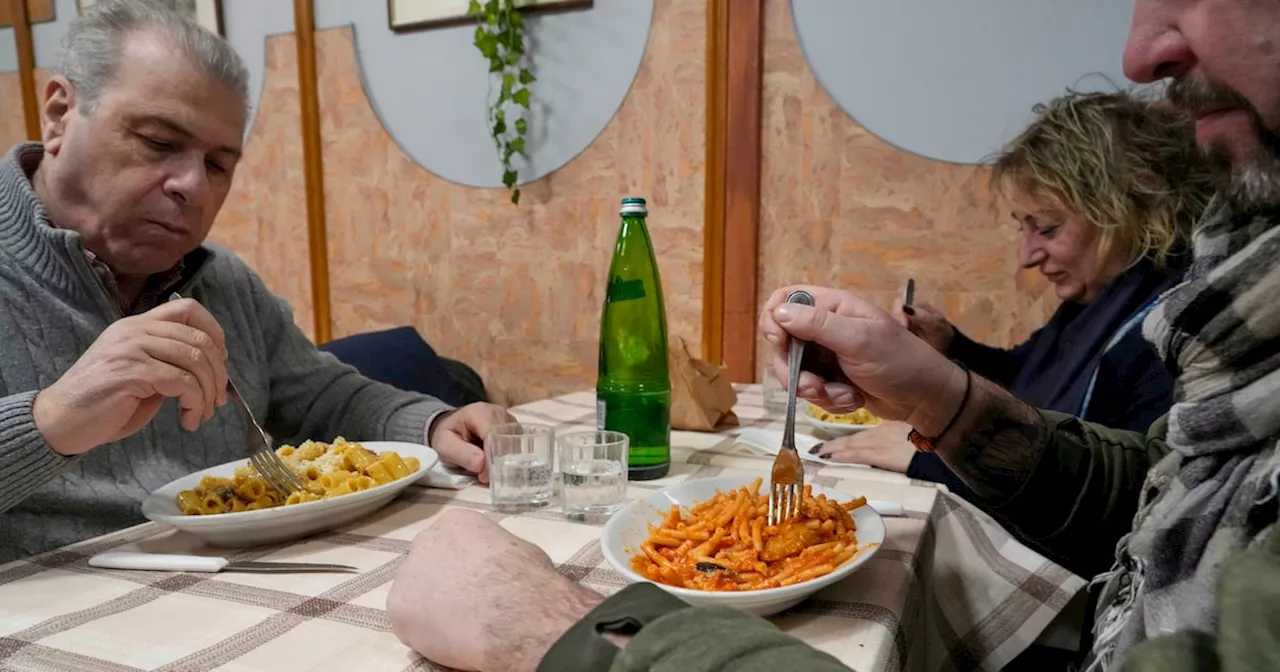
BREAKING: UNESCO has just announced that the rituals surrounding Italian cooking and eating are now recognized as part of the world’s “intangible” cultural heritage. This landmark decision, revealed today at a meeting in New Delhi, underscores the deep cultural significance Italians place on their culinary traditions, from family gatherings to the cherished role of grandmothers teaching the art of pasta-making.
This recognition adds another layer of pride for food enthusiasts globally, celebrating the beloved elements of Italian cuisine such as pizza, pasta, and tiramisu. The acknowledgment highlights the importance of shared meals, especially the traditional Sunday family lunch, a practice that is often absent in many cultures around the world.
Pier Luigi Petrillo, a notable member of Italy’s UNESCO campaign and professor at Rome’s UnitelmaSapienza University, emphasized, “Cooking is a gesture of love, a way in which we tell something about ourselves to others and how we take care of others.” He further noted that the Italian tradition of gathering at the table for prolonged meals is a unique cultural expression that fosters connection and community.
The Italian food culture is not just about recipes; it embodies a rich tapestry of history, sustainability, and regional diversity. Italy’s submission to UNESCO stressed the value of seasonal ingredients and the importance of minimizing waste, reflecting a culinary philosophy that has both local and global implications.
This latest designation joins Italy’s impressive tally of 13 other entries on UNESCO’s intangible heritage list, including the iconic Sicilian puppet theatre and the intricate craftsmanship of Cremona’s violins. Italy previously received recognition for its Mediterranean diet in 2010 and the Neapolitan pizza tradition in 2017.
Francesco Lenzi, a pasta maker at Rome’s Osteria da Fortunata, expressed his pride in Italian cuisine, stating, “For me, Italian cuisine is the best, top of the range. Nothing comes close.” He reminisced about his grandmother’s Sunday ravioli preparation, highlighting the personal and familial connections that food fosters.
Tourists like Mirella Pozzoli, visiting Rome from the Lombardy region, echoed this sentiment, noting, “Sitting at the table with family or friends is something that we Italians cherish and care about deeply.” Such moments of conviviality are integral to Italian identity and reflect a universal longing for community.
UNESCO evaluates nominations for intangible heritage annually, with this year’s session considering a total of 53 applications. Italy’s successful bid is seen as a major boost for its tourism and culinary education sectors, with reports indicating that accredited schools training Neapolitan pizza makers surged by over 400% following the last recognition in 2017.
As UNESCO continues to spotlight the cultural importance of food, this latest acknowledgment sets the stage for a renewed appreciation of Italian culinary traditions worldwide. Foodies and cultural advocates can celebrate this momentous occasion, which reinforces the idea that Italian cuisine is not just about eating; it is about identity, heritage, and love.
Stay tuned for further updates on the impact of this designation and how it will shape the future of Italian culinary arts on a global scale.