An influential advocacy moment unfolded at the White House when Sandy Snodgrass, a resident of Anchorage, successfully prompted President Donald Trump to classify fentanyl as a weapon of mass destruction (WMD). This significant designation aligns fentanyl with other dangerous substances capable of causing widespread harm, such as nuclear and chemical weapons.
Personal Tragedy Sparks Advocacy
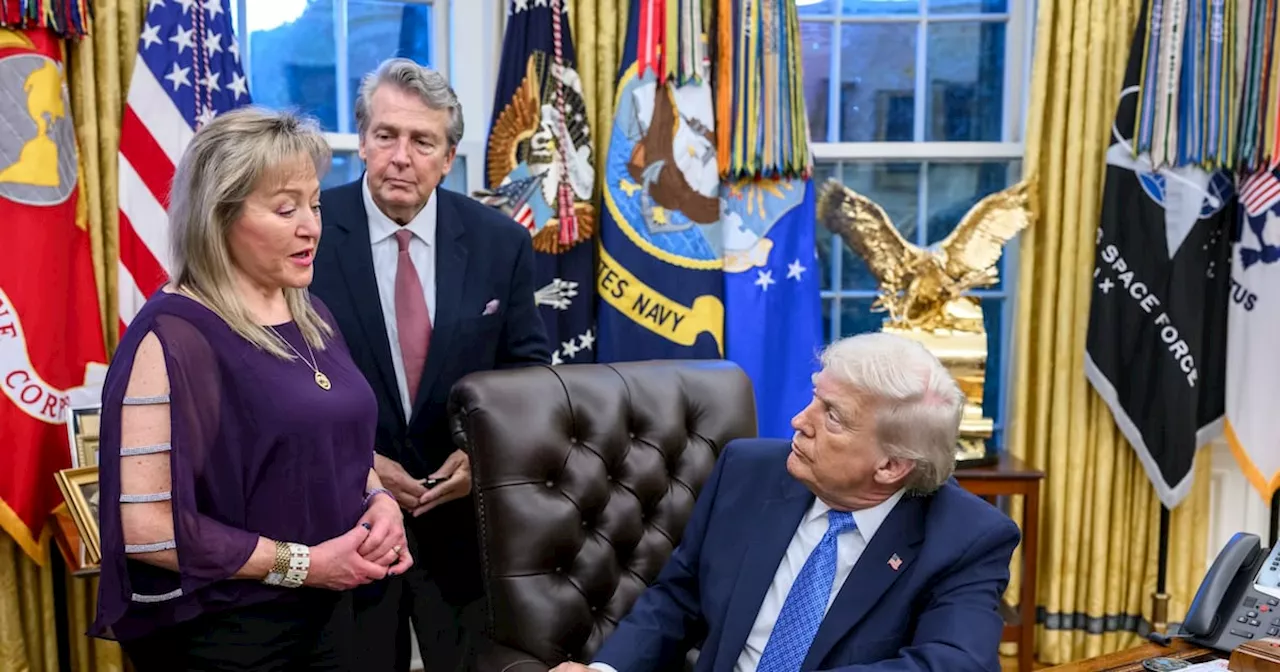
Snodgrass’s advocacy for fentanyl awareness stems from a deeply personal tragedy; her son, Bruce Snodgrass, died from fentanyl overdosing at the age of 22 in an Anchorage parking lot. At the signing ceremony of new fentanyl education legislation on December 1, 2025, which is named after her son, Snodgrass had the opportunity to meet with Trump. During their brief conversation, she expressed her aspiration to see fentanyl designated as a WMD.
“I said, ‘President Trump, the next thing in the fight against fentanyl is to declare fentanyl a weapon of mass destruction,’” Snodgrass recounted. “He looked up at me and he said, ‘That’s a good idea. Why haven’t we done that?’” This exchange seems to have resonated with the president, leading to a rapid shift in policy.
Immediate Aftermath and Administrative Response
The day following their conversation, Snodgrass received an email from White House staff requesting a copy of a policy memo related to the proposed classification. This memo was co-written by her niece, indicating a direct interest from the administration in pursuing Snodgrass’s suggestion. High-ranking officials, including the administration’s drug czar and representatives from Vice President J.D. Vance‘s office, met with Snodgrass to discuss the implications of classifying fentanyl as a WMD.
In her account of the meeting, Snodgrass stated, “They asked us questions about … why fentanyl should be a weapon of mass destruction.” She felt that her contribution could have influenced the administration’s decision-making process regarding this urgent public health issue.
Despite the apparent impact of Snodgrass’s advocacy, the White House’s official response to inquiries about her role reflected a cautious stance. Deputy Press Secretary Abigail Jackson initially communicated skepticism about attributing the idea to Snodgrass. Subsequent statements from the White House emphasized that the classification was aimed at addressing the broader fentanyl crisis affecting countless Americans.
“President Trump did this for the hundreds of thousands of Americans impacted by fentanyl, many of whom he has met over the years,” the statement read. “He has long cared about addressing the scourge of fentanyl and constantly receives input from a variety of individuals on which policies can most effectively address this issue.”
Continuing the Fight Against Fentanyl
The classification of fentanyl as a WMD is expected to provide law enforcement, particularly the Drug Enforcement Administration (DEA), with enhanced tools to combat the opioid crisis. While the practical effects of this designation remain to be fully seen, advocates like Snodgrass are hopeful that it will lead to more stringent penalties for those involved in trafficking and distributing the drug.
As the opioid crisis continues to claim lives across the United States, the urgency of addressing fentanyl’s devastating impact grows. Snodgrass, who has dedicated herself to lobbying for heightened awareness and legislative changes since her son’s death, believes that initiatives like Bruce’s Law can pave the way for significant improvements in public health policy and safety.
While she may not solely claim credit for the recent developments, Snodgrass’s passionate activism highlights the personal stories that often drive policy change and advocacy efforts in the realm of public health. Her journey reflects a growing recognition of the need for decisive action against the fentanyl epidemic, a challenge that affects individuals and communities nationwide.