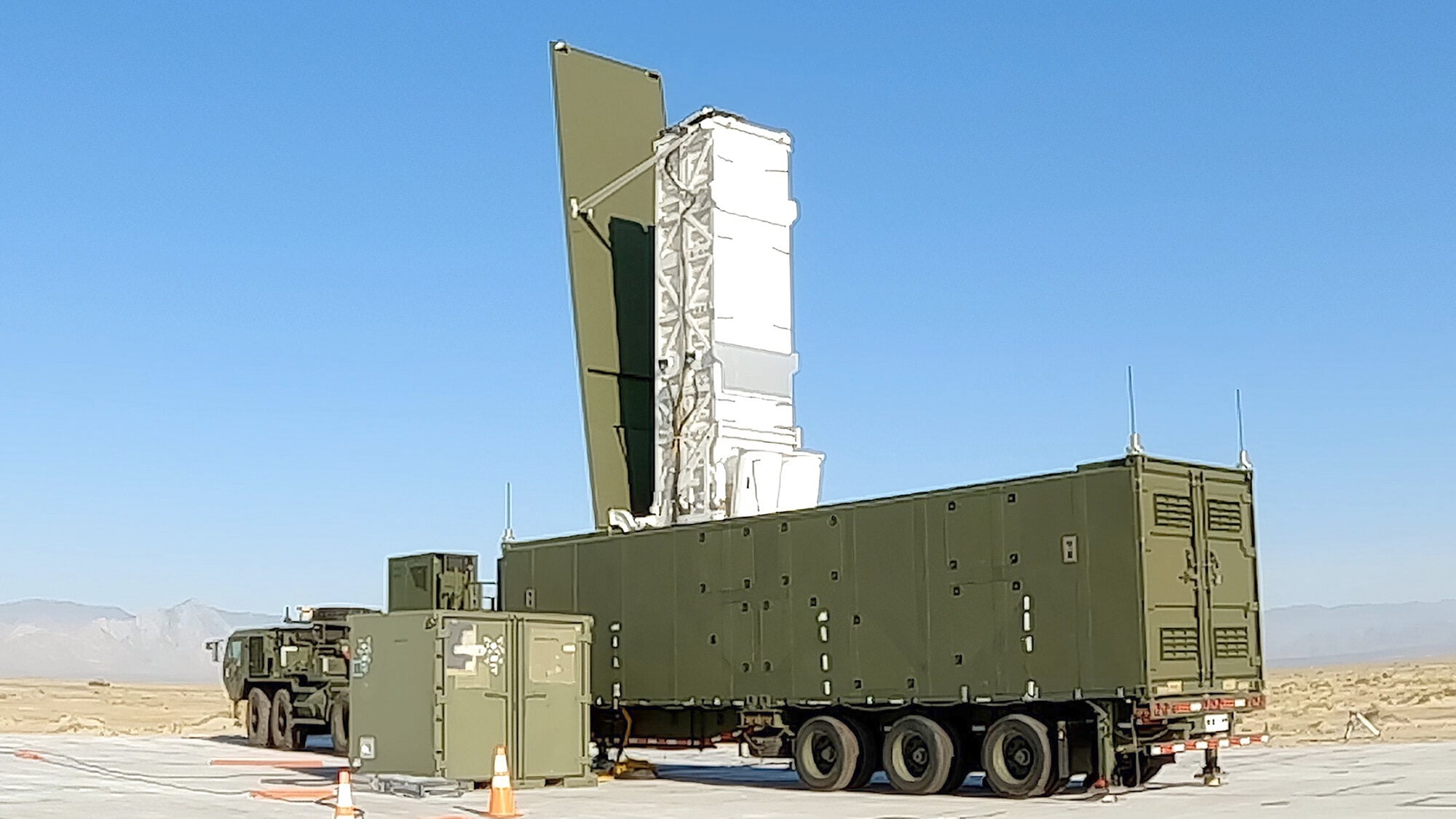
A devastating missile attack in Kryvyi Rih, Ukraine, on April 4, 2025, claimed the life of an eight-year-old boy, Matviy Holovko, and resulted in the deaths of 20 others, including nine children. The missile, an Iskander 9M723, was launched from Russia and packed with components sourced from American technology companies, according to Ukrainian investigators. This tragic incident highlights the complex implications of international sanctions and the ongoing conflict in the region.
Matviy was playing in a local playground when the missile struck. The attack occurred on a warm spring evening, where children filled the air with laughter and joy, momentarily forgetting the conflict that had plagued their lives for years. Witnesses reported that the missile, traveling at six times the speed of sound, struck just moments after Matviy and his family had stepped away from the playground for a treat.
Ukrainian officials have documented the extensive use of foreign components in Russian military equipment, including parts from companies like Intel, Texas Instruments, and Analog Devices. Despite sanctions imposed after the onset of the war, these components continue to be integrated into weapons systems, enabling Russia to enhance its military capabilities. According to a Senate subcommittee report published in late 2024, efforts by American companies to track their products have been insufficient, leaving significant gaps in accountability.
The missile that struck Kryvyi Rih was the 64th Iskander launched by Russia in 2025, contributing to the rising number of civilian casualties in the ongoing conflict. Surveillance footage indicated that the Kremlin’s claim of targeting military officials was unfounded, as only civilians were present at the scene. The attack left a profound impact on the local community, with many families mourning the loss of loved ones.
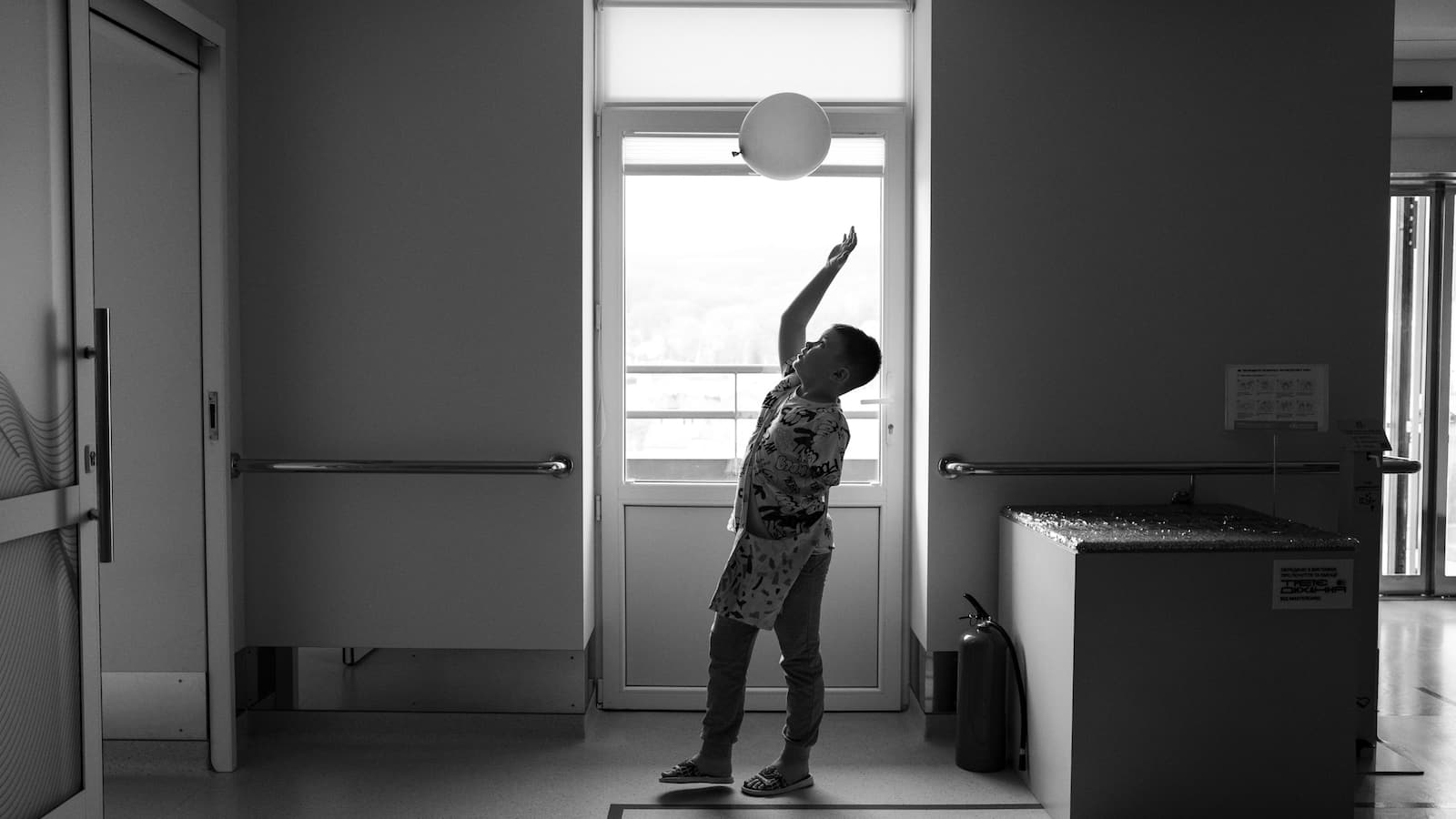
This incident marked a grim milestone in the war, becoming the largest confirmed casualty event involving children. The emotional toll was particularly heavy for Matviy’s family. His mother, Vita Holovko, shielded him from the blast but suffered fatal injuries in the process. Matviy later underwent multiple surgeries to save his arm, ultimately resulting in amputation due to the severity of his injuries.
In the aftermath of the attack, Ukrainian investigators from the Security Service of Ukraine (SBU) recovered fragments of the missile from the playground. They discovered that the Iskander missile, capable of carrying a warhead weighing approximately 1,000 pounds, was equipped with advanced guidance systems believed to be sourced from American manufacturers. Investigators noted that approximately 70 percent of the components used in Russian missiles were derived from foreign companies, primarily based in the United States.
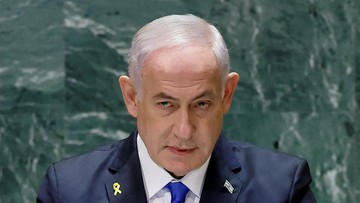
The ongoing conflict has raised concerns about the responsibilities of these companies in preventing their products from being used in Russian military operations. As the third anniversary of Russia’s invasion approaches, the Senate Permanent Subcommittee on Investigations has called upon executives from major technology firms to address the issue. Subcommittee Chairman Richard Blumenthal emphasized the devastating consequences of American technology falling into the wrong hands, calling for greater accountability from companies involved.
Despite assurances from companies like Texas Instruments and Intel that they oppose the use of their products in military applications, a Ukrainian intelligence official highlighted the challenges in tracking microelectronics that often pass through unsanctioned countries. The intricacies of global supply chains complicate efforts to prevent components from reaching Russian forces, raising questions about the effectiveness of current regulations.
As investigators continue to analyze the missile fragments, their findings contribute to a broader understanding of how Western technology supports Russia’s military endeavors. The tragic loss of Matviy Holovko and countless others serves as a stark reminder of the human cost of the conflict and the urgent need for accountability in the use of foreign components in warfare.
In the months following the attack, Matviy’s family has been navigating their new reality. His sister, Anastasia Prava, has taken on the responsibility of caring for him as they both cope with the loss of their mother. Matviy faces the added challenge of adapting to life with a prosthetic arm, a journey that will require resilience and support from his family and the community.
As winter approaches, the streets of Kryvyi Rih remain marked by the scars of war, and families continue to mourn those lost. The playground where Matviy once played stands as a haunting reminder of the innocence shattered by violence, while the air raid sirens continue to wail, signaling that the conflict is far from over. Investigators remain committed to holding those responsible accountable, even as the situation evolves and more lives are affected by the ongoing strife.