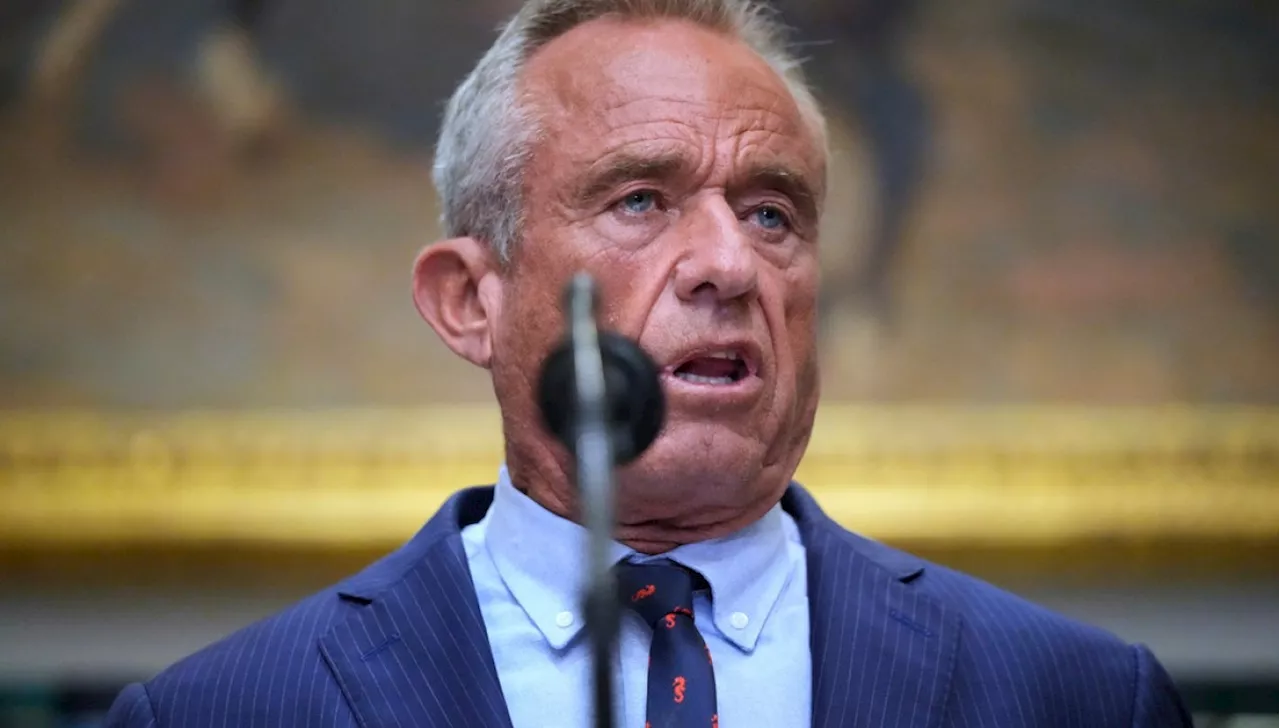
UPDATE: President Donald Trump has just signed an executive order reclassifying marijuana from a Schedule I drug to a Schedule III drug, a monumental shift that could reshape the cannabis landscape in Michigan and beyond. This decision, made on October 5, 2023, marks a significant softening of the federal government’s stance on cannabis, positioning it alongside pain medications like Tylenol with codeine.
This reclassification will facilitate greater access to medical research on marijuana, allowing scientists to explore its benefits and risks more freely. “This classification order will make it far easier to conduct marijuana-related medical research,” Trump stated during the signing ceremony. Researchers are optimistic about the potential for new treatments for conditions such as anxiety, post-traumatic stress disorder, and pediatric epilepsy.
Experts like Hillary Marusak, an associate professor at Wayne State University School of Medicine, emphasize the challenging landscape of cannabis research. “It’s really difficult to do this type of work. It’s still illegal at the federal level,” she explained, highlighting the urgent need for more funding and support in this field.
At the retail level, cannabis operators are already feeling the impact. Natalia Cardenas, a manager at New Standard Cannabis, noted the therapeutic benefits many customers experience. “I have always been a little more prone to depression,” she shared, reflecting on her personal use of marijuana and its effectiveness for various medical conditions. “Back pain, knee pains, and now we have topicals for them, we have patches, and all that stuff is only going to get better with research.”
While the reclassification is celebrated, some experts, including Marusak, caution against viewing it as a definitive victory for cannabis science. “At first glance, it seems like a real win for cannabis science and research, but I feel like the gesture changes little by way of research,” she warned, underscoring the need for increased federal funding.
Another critical aspect of the reclassification involves Section 280-E of the IRS tax code, which has historically restricted cannabis companies from deducting standard business expenses, leaving them among the most heavily taxed industries in the country. “Millions and millions of dollars that companies were paying will now be alleviated,” said Nick Hannawa, chief legal counsel at Puff Cannabis Company. “They will be treated like every other business in this country.”
Despite these advancements, experts warn that cannabis remains illegal at the federal level, and banking challenges persist. “The compliance costs of banking cannabis is high, and that’s kept a lot of banks out of it,” explained Ross Sloan, senior vice president for cannabis banking at Dart Bank. While the order may pave the way for future investments, immediate changes in banking practices are unlikely.
The executive order has sparked mixed reactions among lawmakers. Several Republican senators, including Cynthia Lummis of Wyoming and John Hoeven of North Dakota, expressed their disapproval, emphasizing concerns about drug safety and youth protection. “I think it’s a dangerous drug, and I’m not so sure that’s a good decision,” stated Lindsey Graham from South Carolina.
As the cannabis industry looks ahead, the focus now shifts to the potential passage of the SAFER Banking Act, which aims to facilitate easier banking access for cannabis companies, promoting stability and growth in this burgeoning sector.
Stay tuned for updates as the cannabis community navigates the implications of this landmark decision, which could redefine the industry’s future in Michigan and across the United States.