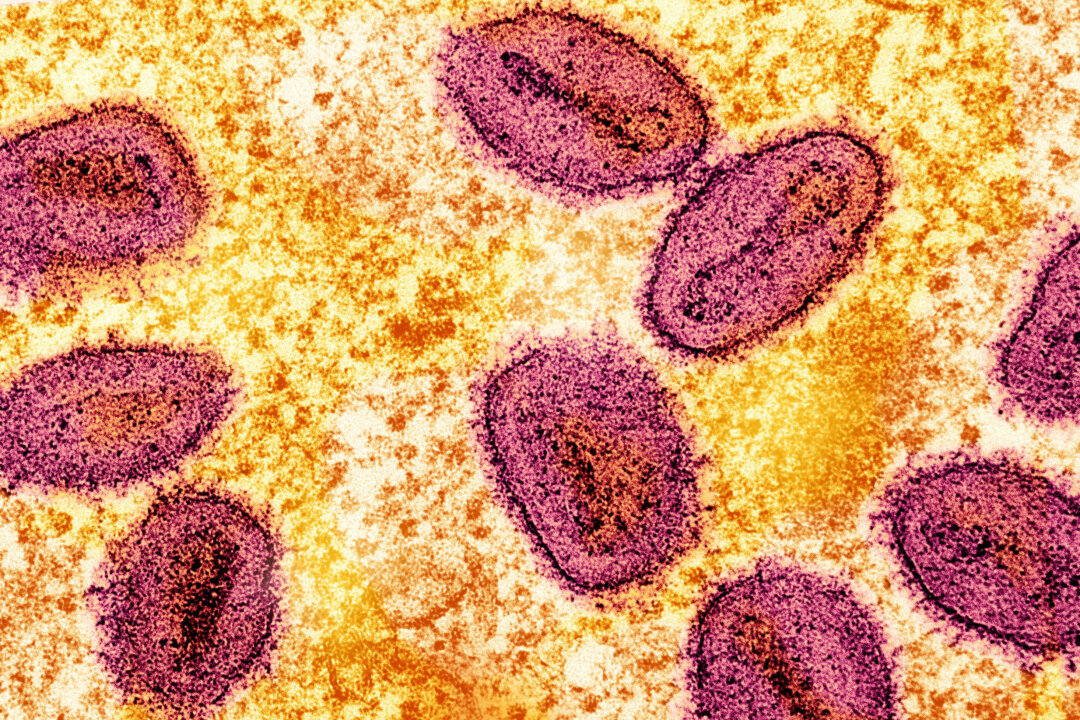
Medical experts are warning that the current flu season, which has been relatively mild, may worsen significantly in the coming weeks. The anticipated intensification is attributed to the emergence of a new strain of the influenza virus, known as subclade K, which surfaced after the production of the current vaccine. Despite this development, health authorities maintain that vaccination remains the most effective protection against the flu.
Data from the United Kingdom, reported by the National Health Service (NHS), indicates that hospitalizations due to flu have reached their highest levels for this time of year. The new strain first appeared in Australia towards the end of its flu season and has since been detected in Japan and the United States. According to Lisa Sollot, the respiratory disease program coordinator for the Virginia Department of Health, the spread of this strain raises concerns about the potential severity of the ongoing flu season.
The effectiveness of the current vaccine in preventing flu infections has been estimated at only 32-39% based on figures from the U.K., where the same vaccine is used as in the U.S. However, it has shown a higher efficacy of 72-75% in children, according to research from the University of Virginia. Frederick G. Hayden, a professor at the UVA School of Medicine and a contributor to a recent article in the Journal of the American Medical Association, highlighted that subclade K is a subtype of the strain that contributed to last season’s severe flu outbreak, particularly affecting children.
The Centers for Disease Control and Prevention (CDC) released a report on December 11, which supports the expectation that flu cases are increasing across the United States. The CDC noted that the 2024-25 influenza season has been marked by high severity across all age groups, including a concerning number of pediatric deaths. “Unfortunately, we are seeing the circulation of a new variant of the H3N2 virus for which our vaccines may be somewhat less effective,” Hayden stated in a release from the University of Virginia. He emphasized that while the available vaccines might not be fully effective against this new variant, they still significantly reduce the risk of serious illness and help limit the virus’s spread.
Vaccination Rates and Public Health Recommendations
Sollot pointed out that historically, high-severity flu seasons do not occur in consecutive years. However, this year’s combination of low vaccination rates and the emergence of subclade K could result in a more severe flu season than expected. In Virginia, the overall vaccination rate stands at approximately 28%, with the lowest rate of 20.6% among individuals aged 5-17, and the highest at 39.8% for those aged 50 and older.
CDC data from the previous flu season revealed a troubling statistic: around 90% of children who died from the flu were unvaccinated, and half of those had no underlying health conditions. “Those are really shocking statistics for the season,” Sollot remarked. She urged the public to prioritize vaccination, practice good hygiene, and stay home when feeling unwell.
The CDC recommends annual influenza vaccination for everyone aged six months and older, with only rare exceptions. As health officials continue to monitor the situation closely, public awareness and adherence to vaccination guidelines remain crucial in mitigating the impact of the flu this season.