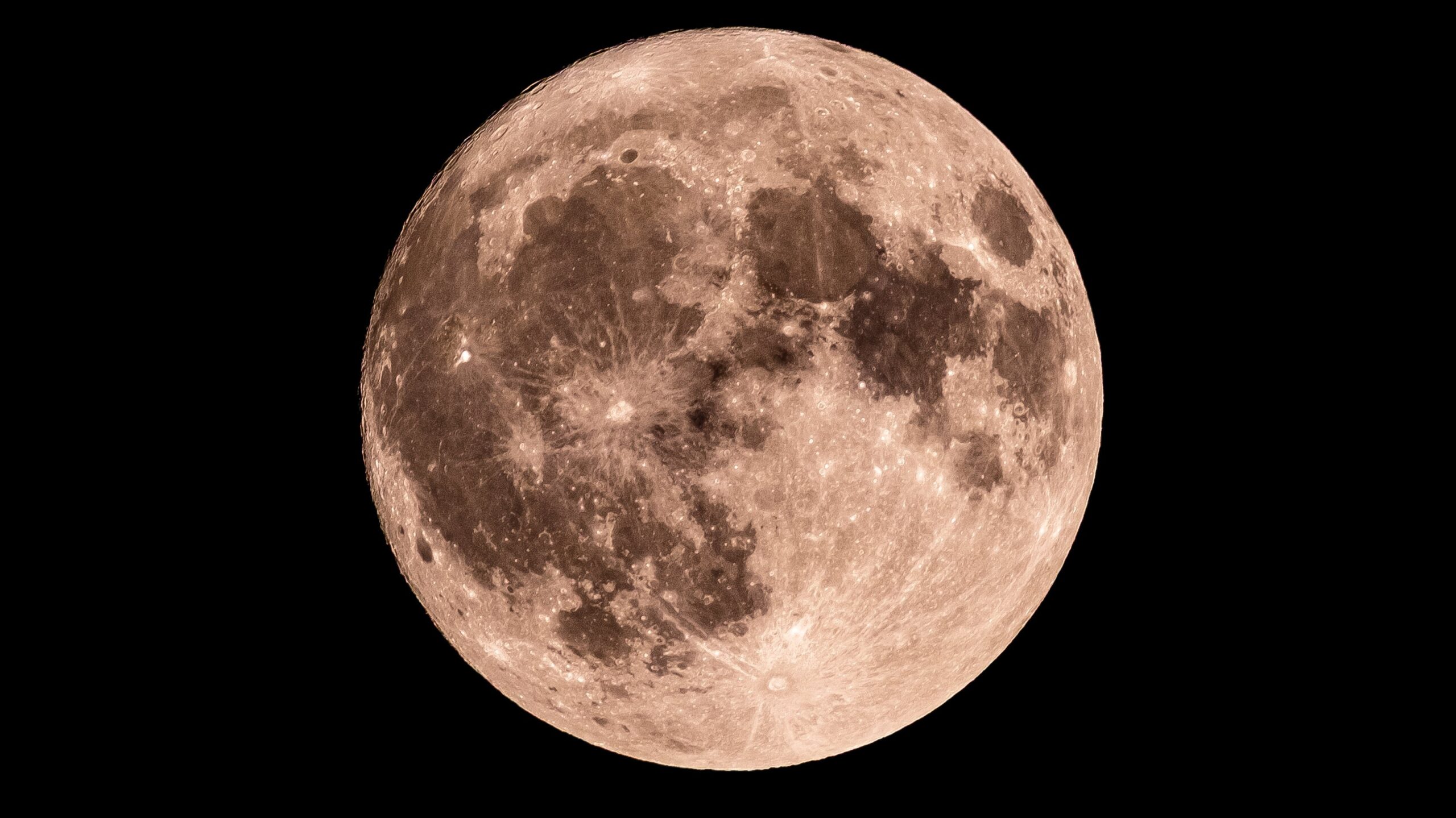
The Moon enters a new phase on December 21, transitioning to a Waxing Crescent as it begins to grow in brightness each night. According to NASA’s Daily Moon Observation, only 2% of the lunar surface will be illuminated tonight, making it difficult to discern details on the Moon’s surface. This phase marks the initial steps towards the next Full Moon, set to occur on January 3.
As the lunar cycle progresses, the Moon will gradually increase in size and brightness. The last Full Moon was on December 4, and with this new momentum, skywatchers can look forward to a more luminous display in the coming nights.
Understanding Lunar Phases
The Moon takes approximately 29.5 days to complete its full cycle, known as the lunar cycle. During this time, it transitions through a series of phases as it orbits Earth. Despite always presenting the same face to our planet, the visible part of the Moon varies due to the amount of sunlight it reflects.
NASA outlines the eight main lunar phases as follows:
– **New Moon**: The Moon is positioned between Earth and the Sun, rendering it invisible.
– **Waxing Crescent**: A small sliver of light appears on the right side in the Northern Hemisphere.
– **First Quarter**: Half of the Moon is illuminated on the right, resembling a half-moon.
– **Waxing Gibbous**: More than half of the Moon is lit, but it is not yet full.
– **Full Moon**: The entire face of the Moon is fully illuminated.
– **Waning Gibbous**: The Moon begins to lose light from the right side.
– **Third Quarter (or Last Quarter)**: Another half-moon, but now the left side is lit.
– **Waning Crescent**: A thin sliver of light remains on the left before the Moon returns to darkness.
As the Waxing Crescent unfolds, enthusiasts and casual observers alike can anticipate the beauty of the night sky in the coming weeks. Each phase of the Moon offers a unique viewing experience, encouraging many to step outside and gaze upward.