The evolution of modern surgery can be traced back to the Renaissance, a period marked by significant advancements in medical practices, particularly concerning amputation and prosthetic development. During the 16th and 17th centuries, Europe witnessed a transformation in attitudes toward surgical interventions, paving the way for the complex procedures and technologies we see today.
While the American Civil War is often recognized for its critical role in advancing amputation techniques and prosthetic designs, this shift began much earlier. Historians note that surgeons performed approximately 60,000 amputations during the Civil War, with many taking as little as three minutes per limb. However, the groundwork for such practices was laid in the Renaissance, when European surgeons began to rethink amputation not merely as a last resort, but as a viable means to reshape the human body.
Surgeons and Innovations in the Renaissance
During this era, surgeons faced unique challenges, particularly with the advent of gunpowder warfare. This new form of combat caused devastating injuries that often necessitated swift amputations to save lives. Traditional practices, which had focused on less invasive treatments, were insufficient in addressing the severe wounds inflicted by modern weaponry. The printing press facilitated the dissemination of surgical knowledge, allowing practitioners to share techniques and debates on where and how to perform amputations.
The absence of anesthetics, antibiotics, and standardized sterilization meant that surgery was perilous. Yet, surgeons began to develop methods that prioritized efficiency and the potential for rehabilitation. For instance, techniques evolved that involved quick amputations, often using tools like cautery irons to control bleeding and prevent infection. This shift marked a significant departure from centuries of non-invasive healing practices.
The Rise of Prosthetic Technology
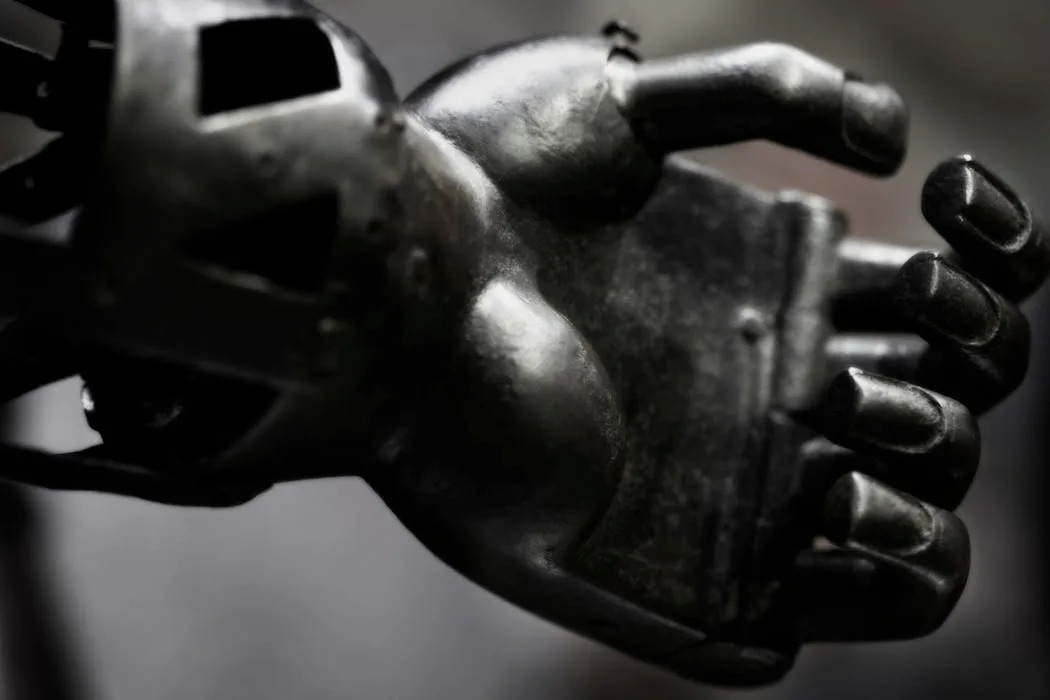
As surgical techniques advanced, so too did the design of artificial limbs. While wooden peg legs had been common for centuries, the late 15th century saw the emergence of the mechanical iron hand. This innovation represented a collaborative effort between amputees and skilled artisans, who crafted sophisticated devices that were both functional and aesthetically pleasing.
Historical records indicate that survival rates for amputations were low, possibly as low as 25%. For those who did survive, the quest for mobility and normalcy became paramount. Iron hands were often customized, featuring intricate details such as engraved fingernails and movable joints. These prosthetics were not merely tools; they were symbols of resilience and adaptability, showcasing the user’s ingenuity in navigating a world that had changed dramatically.
Interestingly, the perception of prosthetic users during this time was not limited to traditional narratives of knights or warriors. Many individuals, including those outside the martial class, utilized these devices to challenge societal stereotypes. Their iron hands allowed them to present themselves as active participants in society rather than objects of pity.
The cultural significance of prosthetics extended beyond their physical utility. They prompted surgeons to consider how to integrate artificial limbs into their surgical practices, fostering a sense of optimism regarding the potential for human enhancement through technology. As noted by historian Heidi Hausse from Auburn University, the collaboration between surgeons, amputees, and artisans laid the foundation for the modern understanding of the body as something that could be molded and enhanced.
In conclusion, the Renaissance marked a pivotal moment in the history of surgery and prosthetics. The shift in attitudes towards amputation and the development of innovative artificial limbs reflect a broader transformation in medical practices that continues to influence contemporary biomedicine. The legacy of this period is evident in today’s advancements, from artificial hearts to myoelectric limbs, underscoring the enduring impact of these early innovations on the human experience.