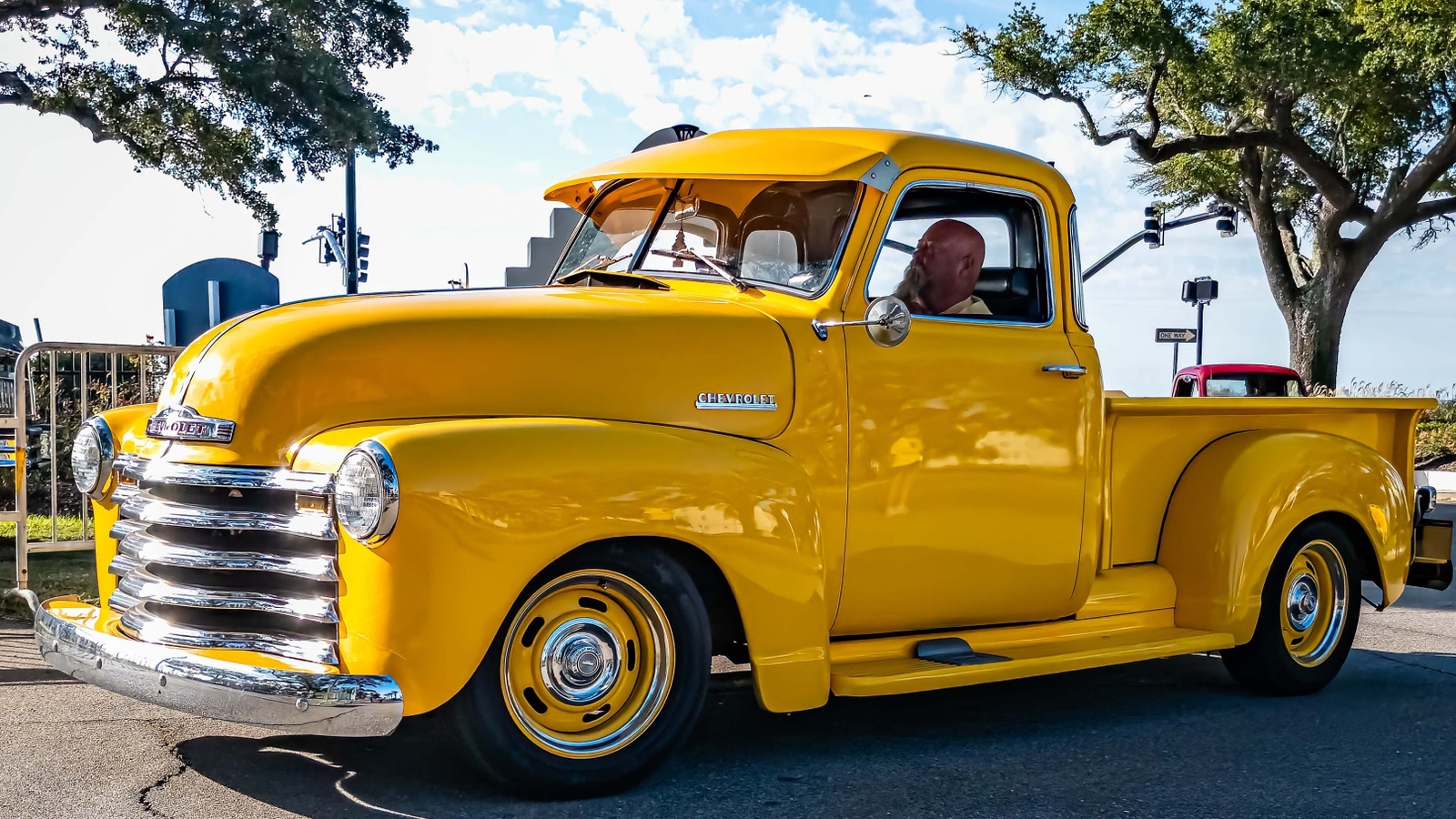
Classic car enthusiasts find themselves divided over the use of vintage external sun visors, a once-popular accessory that has fallen out of favor in modern automotive culture. While many appreciate the aesthetic appeal and historical significance of these visors, others see them as unnecessary additions that detract from a vehicle’s design.
The sun visor, which has its origins over a century ago during the era of the Ford Model T, was initially designed to enhance driver comfort by shielding against glare and rain. Unlike today’s internal sun visors, which are commonly flip-down fabric panels, vintage visors were typically mounted externally and spanned the width of the windshield. This design provided practical benefits, particularly at a time when windshield wipers were less effective.
Debate Among Classic Car Fans
Many classic car enthusiasts appreciate the nostalgic charm of external sun visors, especially those that gained popularity in the 1940s and 1950s. However, opinions vary significantly within the community. Some aficionados view these visors as essential accessories that enrich the vintage look of their cars, while others argue that they disrupt the original design and aerodynamics of the vehicle.
Critics of external sun visors often raise concerns about their practicality. They point out that by the 1950s, most cars were already equipped with efficient drop-down sun visors, making the external versions seem redundant. Additionally, there is a belief among some enthusiasts that these visors can negatively impact a car’s aerodynamics, potentially creating drag at higher speeds, which is a significant consideration for those modifying their vehicles for performance.
Despite these criticisms, there are solutions for those who wish to retain the vintage look without compromising functionality. For instance, one classic Chevy truck owner shared on social media that he modified his visor by adding louvers, allowing air to escape while maintaining its sun-blocking capability. This approach illustrates the creativity within the classic car community and the desire to balance aesthetics with performance.
The Appeal of Vintage Accessories
While not all classic car owners are inclined to add external sun visors, a noteworthy segment of the community embraces them as part of the era’s charm. For those seeking to recreate the authentic look of the 1940s and 1950s, these visors can be a desirable addition. Certain styles, like the Fulton three-piece sun visor, are particularly popular for their ease of installation and adjustability.
Prices for reproduction external sun visors generally hover around $500, making them accessible for enthusiasts looking to enhance their classic vehicles. However, potential buyers should also consider the costs associated with painting and fitting the visor to ensure it complements their car’s design.
Despite the mixed feelings surrounding external sun visors, they remain a staple among certain classic car enthusiasts. Some groups, such as lowrider owners and those dedicated to period-correct restorations, continue to appreciate and utilize these accessories.
For those concerned about visibility, modern solutions such as traffic light finders are available. These devices use prisms to reflect traffic signals, helping drivers navigate intersections even when their view is obstructed by a visor.
The ongoing debate about external sun visors captures the essence of the classic car community, where personal preferences and interpretations of automotive history shape the culture. As enthusiasts continue to restore and modify their classic vehicles, the discussion surrounding these vintage accessories is likely to persist, reflecting the diverse tastes and values within the automotive world.