Scientists at the Massachusetts Institute of Technology (MIT) and Stanford University have introduced a groundbreaking technique designed to enhance the immune system’s ability to identify and attack cancer cells. This innovative approach, detailed in the journal Nature Biotechnology, targets specific sugar molecules known to act as an “off switch” for immune defenses, thereby allowing tumors to evade detection.
The research team, spearheaded by Jessica Stark, the Underwood-Prescott Career Development Professor in Biological Engineering and Chemical Engineering at MIT, has focused on the role of glycans—sugar molecules present on the surface of cancer cells. These glycans are responsible for suppressing immune activity, effectively cloaking the cancer cells from the immune response. By using proteins called lectins to block these glycans, the researchers aim to amplify immune responses against cancer.
Uncovering Immune System Suppression
A major hurdle in cancer treatment has been teaching the immune system to recognize and eliminate tumor cells. Current immunotherapy approaches, particularly checkpoint inhibitors, work by disrupting interactions between two proteins, PD-1 and PD-L1, which tumors exploit to inhibit immune cell activation. While these checkpoint inhibitors have proven effective for some patients, many others experience minimal benefits.
Stark and her team have identified another mechanism of immune suppression involving the interaction between tumor glycans and immune cell receptors. Specifically, the sugar sialic acid, present on many cancer cell surfaces, can bind to receptors known as Siglecs on immune cells. This interaction triggers an immune-dampening pathway, effectively silencing the immune response against the tumor. Stark noted, “When Siglecs on immune cells bind to sialic acids on cancer cells, it puts the brakes on the immune response.”
Introducing AbLecs: A New Therapeutic Approach
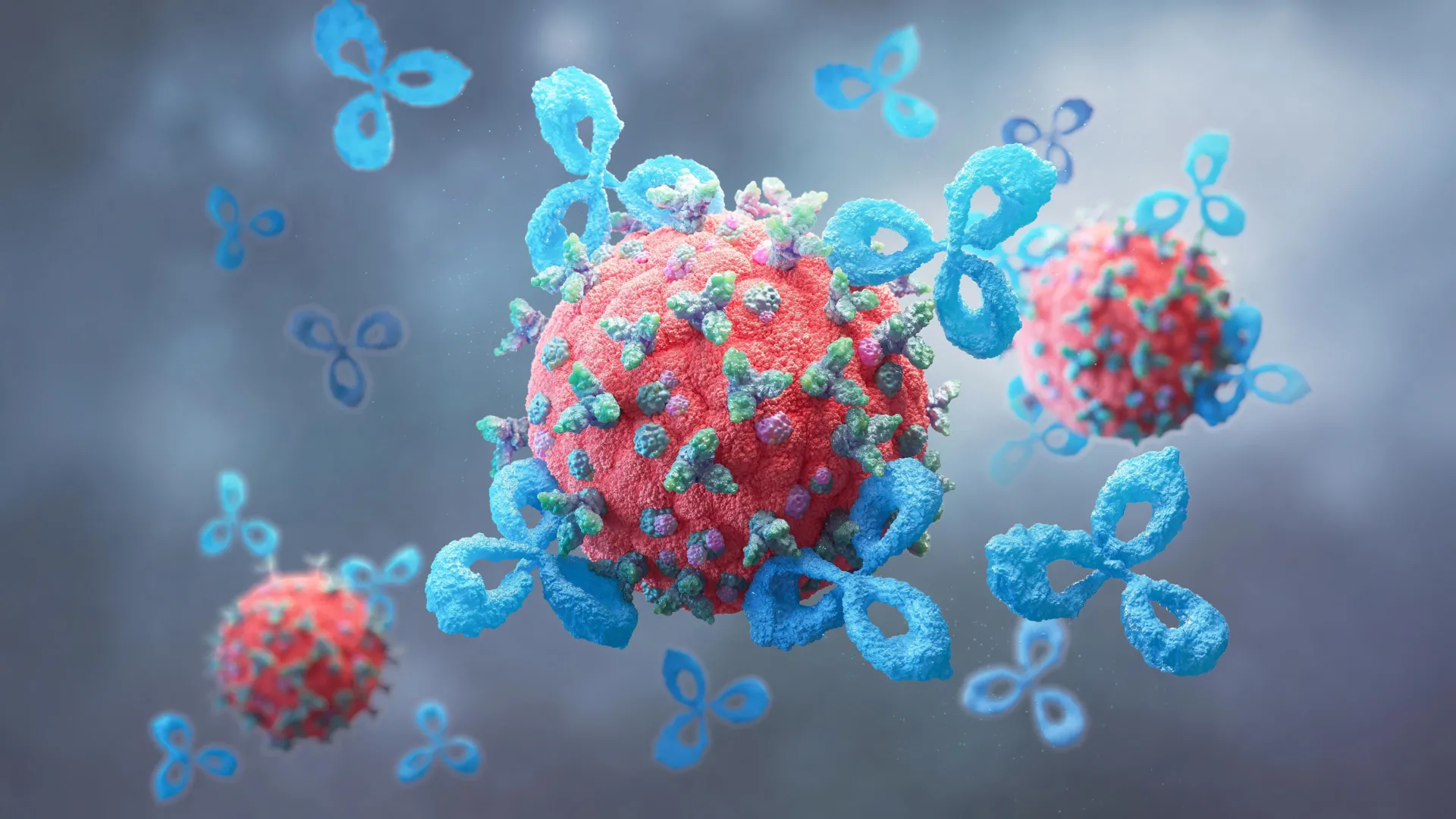
To combat this issue, the researchers developed a new class of therapeutic molecules named AbLecs, which combine lectins with antibodies that specifically target tumor cells. The antibody component of the AbLec directs the lectin to the cancer cell, where it can then block the sialic acid from engaging with Siglec receptors. This mechanism effectively lifts the immune suppression, allowing immune cells such as macrophages and natural killer (NK) cells to attack the tumor more aggressively.
In their experiments, the team utilized an antibody known as trastuzumab, which is already approved for treating breast, stomach, and colorectal cancers. They modified the antibody by replacing one of its arms with a lectin, selecting either Siglec-7 or Siglec-9. Laboratory tests demonstrated that the AbLecs altered immune cell behavior, prompting them to target and destroy cancer cells. Further testing in mice engineered to express human Siglec receptors showed a significant reduction in lung metastases when treated with AbLecs compared to trastuzumab alone.
The modular nature of AbLecs allows for flexibility in targeting different types of cancer. The researchers can replace the antibody arm to target various tumor antigens or swap out the lectin portion to address other immunosuppressive glycans.
Future Directions and Funding
Looking ahead, Stark, Bertozzi, and their colleagues have established a company, Valora Therapeutics, to further develop their leading AbLec candidates and initiate clinical trials within the next two to three years. The research has received funding from several prestigious organizations, including a Burroughs Wellcome Fund Career Award and a Society for Immunotherapy of Cancer Steven A. Rosenberg Scholar Award.
This innovative approach to cancer treatment marks a significant step forward in immunotherapy, potentially offering new hope for patients who currently have limited treatment options. The ability to enhance immune responses against tumors through targeted mechanisms could revolutionize the landscape of cancer therapy in the near future.