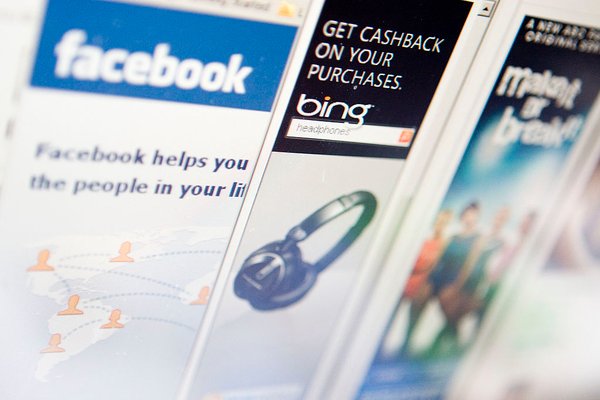
URGENT UPDATE: Revolutionary AI advertising techniques are emerging, promising to disrupt how brands connect with consumers. Mark Zuckerberg, during a recent earnings call, revealed that Meta is at the forefront of this transformation, enabling advertisers to set objectives while AI handles everything from content creation to personalized targeting.
The implications of these developments are profound. As tech companies gather more data, AI tools could know us as intimately as our closest friends. This evolution marks a shift from traditional ads, which merely track clicks, to AI systems that grasp our insecurities and aspirations, potentially transforming them into psychological profiles for sale to the highest bidder.
Latest reports indicate that Google is already testing AI-generated ads within its chatbot responses, while OpenAI is building a new advertising platform. In a striking example, Ticketmaster is experimenting with AI-generated Facebook ads featuring virtual families whose preferences change based on viewer demographics—potentially creating ads that reflect your own family dynamics.
What makes this shift alarming is the potential for invisibility in these ads. Unlike conventional sponsored content, AI-embedded advertising might subtly influence users under the guise of helpfulness. When your AI assistant is driven by advertising revenue, conversations could steer toward revenue-generating topics without your awareness.
The business case for hyper-personalized advertising is compelling. McKinsey reports that personalization can slash customer acquisition costs by up to 50%, increase revenues by 5% to 15%, and enhance marketing ROI by 10% to 30%. Companies that embrace this strategy are seeing significantly faster growth compared to their slower competitors.
Innovative technologies are already paving the way for this transformation. For instance, the Las Vegas Sphere employs audio systems that allow people standing inches apart to hear different content. Similarly, a recent experience in Edinburgh by Johnnie Walker enabled visitors to generate unique bottle labels based on their preferences in real-time.
As AI continues to evolve, the challenge of transparency looms large. When ads become so personalized that they blend seamlessly into our digital experiences, it becomes increasingly difficult to discern whether recommendations reflect genuine interests or are merely optimized for profit. The lack of a shared baseline makes it nearly impossible to identify manipulative tactics.
Despite technical challenges—such as biases in AI training data and the high costs of real-time processing—companies are investing heavily to scale these technologies. For example, one retailer reported a 2% increase in sales and a 3% improvement in margins after implementing AI-targeted promotions. This means while some shoppers enjoy discounts based on algorithmic assessments of their price sensitivity, others pay full price for the same items.
As these AI advertising systems become further entrenched, the stakes rise. The potential for manipulation becomes more dangerous when users cannot compare experiences or call out problematic tactics. Without transparency, the line between genuine engagement and profit-driven influence blurs, raising ethical questions about the future of personalized marketing.
As these developments unfold, consumers must remain vigilant about how their data is used and the implications of increasingly invisible advertising systems. The landscape of marketing is changing rapidly—stay informed and prepared for what comes next.