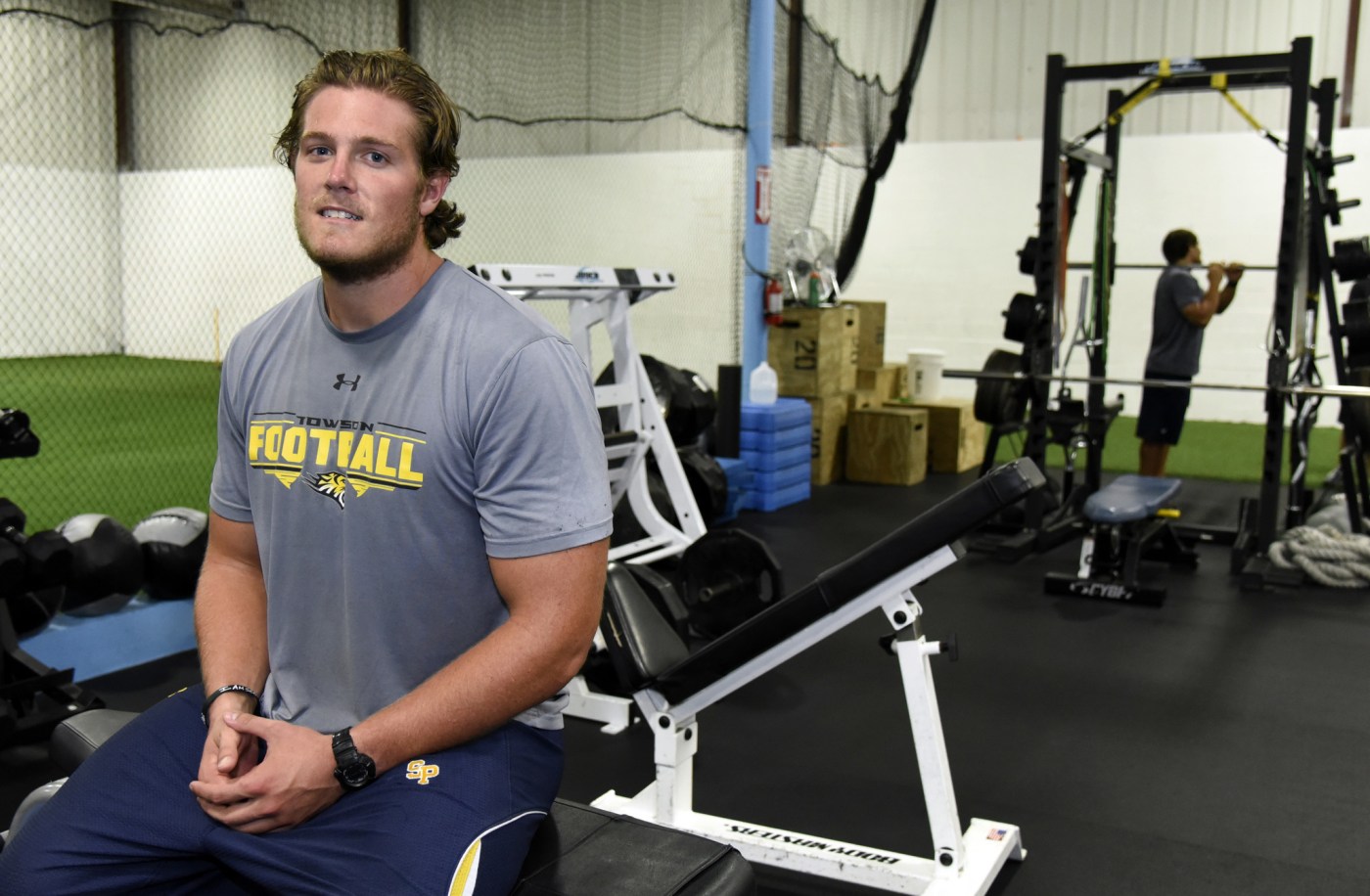
Gavin Class, a former football player at Towson University, has transformed his near-fatal experience with heatstroke into a source of inspiration for others. In August 2013, during a practice session, Class collapsed when his body temperature soared to an alarming 111 degrees Fahrenheit. He was subsequently hospitalized, slipping into a coma as multiple vital organs began to fail, including his heart and kidneys.
Class’s condition was dire, with doctors at the University of Maryland Medical Center comparing his state to that of someone “zapped in a microwave oven.” A liver transplant, which lasted six hours, saved his life. The donor, a 51-year-old man from Pittsburgh, provided Class with a second chance. However, his recovery was marred by a series of complications, including pancreatitis, pneumonia, and even cancer, requiring four weeks of chemotherapy.
From Darkness to Purpose
Despite the severity of his situation, Class recalls little of his ordeal. “It was like I fell asleep in August and woke up in October,” he said. After enduring 16 hospital procedures, he was finally on the path to recovery. Motivated by his experience, Class adopted an intensive physical training regimen and returned to college, hoping to play football again.
In 2015, he sought to rejoin the Towson football team, but his request was denied, a decision upheld by the courts. Now 33, Class resides in Erie, Colorado, with his wife, Rachel, and their infant daughter, Shiloh. He has become a sports performance coach, helping young athletes pursue their dreams. “I know how people chase their dreams,” he explained. “I love being able to help them get somewhere that I couldn’t.”
Class’s journey resonates particularly with athletes recovering from injuries. “It’s easy to relate to athletes who’ve had season-ending injuries,” he noted. “They know my story; we can connect.” With a height of 6 feet 3 inches and weighing 250 pounds, Class carries few visible reminders of his past—an inverted V-shaped scar on his chest and a tattoo bearing the verse, “I can do all things through Christ who strengthens me (Philippians 4:13).”
Giving Back Through Advocacy
Class has emerged as a prominent advocate for safety protocols, particularly regarding heatstroke during football practices. In 2017, he co-founded the You Only Live Twice (YOLT) Foundation, aimed at supporting organ transplant patients and raising awareness about heat-related illnesses. Since its inception, the foundation has raised nearly $500,000 to assist those in need.
His advocacy efforts gained particular significance following the tragic incident involving Jordan McNair, a University of Maryland lineman who collapsed from heatstroke in 2018. Class visited McNair at the same medical facility where he had fought for his life years earlier. “Be strong, Jordan,” Class whispered to the critically ill athlete. “Fight every day. Be positive.” Sadly, McNair died a week later, a loss that deeply affected Class.
Even years after his own health crisis, Class maintains a vigilant approach to his well-being, undergoing routine blood tests to monitor his health. Each year on August 16, the anniversary of his liver transplant, he and his family celebrate a “liverversary” with cake, a testament to the new life he has been granted. He also reflects on the anonymous donor who made his recovery possible, expressing gratitude through letters exchanged with the donor’s family.
“They said that I’m blessed with this gift, and that I should cherish it and use it for the glory of God,” Class shared. While he still grapples with the loss of his football career, he recognizes the positive outcomes of his journey. “Everything happens for a reason. If not for [the setback], I wouldn’t have found my faith in Jesus, so I’m grateful for my heatstroke. Sounds weird, doesn’t it?”
Class’s story is one of resilience and purpose, serving as a powerful reminder of the importance of health, faith, and community support. As he continues to inspire young athletes, his legacy of advocacy and mentorship remains a beacon of hope for many.