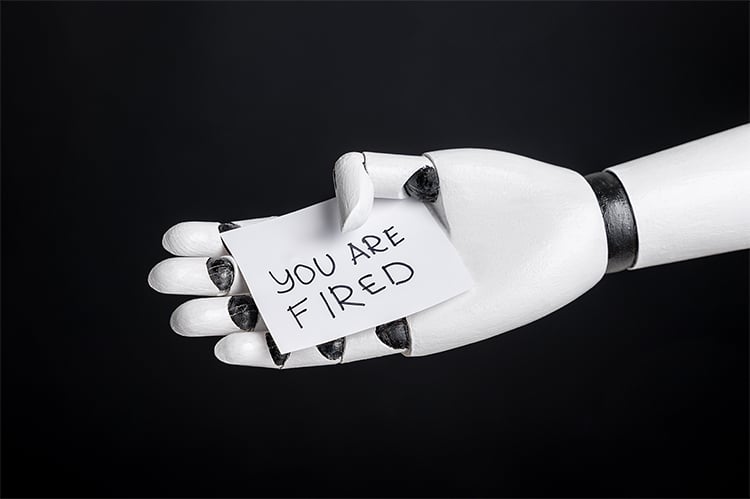
UPDATE: New reports confirm that artificial intelligence (AI) has been blamed for approximately 55,000 layoffs in 2025, a fraction of the staggering 1.1 million jobs cut this year—the highest number since the COVID-19 pandemic. While tech giants have been vocal about AI streamlining their operations, the data from consulting firm Challenger, Gray & Christmas reveals that less than 1% of job losses are directly linked to AI.
The tech industry has been at the forefront of these layoffs. As major companies like Amazon began workforce reductions, CEO Andy Jassy indicated that AI would necessitate “fewer people doing some of the jobs that are being done today.” However, in October, after cutting 14,000 jobs, Jassy clarified that these layoffs were “not even really AI driven, not right now at least.”
Despite claims from corporations like Salesforce that AI now performs as much as 50% of all work, the evidence suggests that AI is not causing layoffs directly. Instead, it appears to be hindering new hiring, particularly for entry-level positions. Many companies have adopted the misconception that AI can easily replace these roles, leading to significant job losses.
A recent MIT study found that 95% of organizations implementing AI initiatives have reported no financial return on investment. This raises questions about the real drivers behind the job cuts. Many companies may be using AI as a scapegoat while looking to streamline operations amidst thinning profit margins or economic challenges exacerbated by the Trump administration’s tariff regime.
The manufacturing sector has also felt the impact, losing nearly 60,000 jobs this year despite the anticipated boom in data center construction. The same report from Challenger, Gray & Christmas indicates that over twice as many layoffs were attributed to restructuring, and about four times as many were due to market and economic conditions.
This emerging narrative serves as a crucial reminder: even when AI is cited as a reason for job cuts, the decision often lies in the hands of executives prioritizing stock price boosts through workforce reductions. As companies navigate a complex economic landscape, the true implications of AI on employment remain a pressing concern.
Stay tuned for further developments as this story unfolds. The implications of these layoffs will resonate through the economy, affecting countless workers and their families.