Researchers at the University of York have made a significant breakthrough in antibiotic discovery, developing a robotic synthesis platform that rapidly generated over 700 metal compounds in just one week. This innovative approach has resulted in the identification of a promising new antibiotic candidate aimed at combating drug-resistant bacteria, a growing global health concern.
The study, led by Dr. Angelo Frei, highlights the urgency of finding new antibiotics as antimicrobial resistance continues to claim more than one million lives each year worldwide. With existing antibiotics becoming less effective, even routine medical procedures face escalating risks. Traditional antibiotic discovery methods are often slow and costly, prompting researchers to explore new avenues.
Rather than modifying existing drug classes, the team focused on metal-based compounds, which have been largely overlooked due to concerns about toxicity and complexity. The use of robotics and high-speed chemistry allowed the researchers to compress what typically requires months of laboratory work into a matter of days.
Revolutionizing Drug Discovery
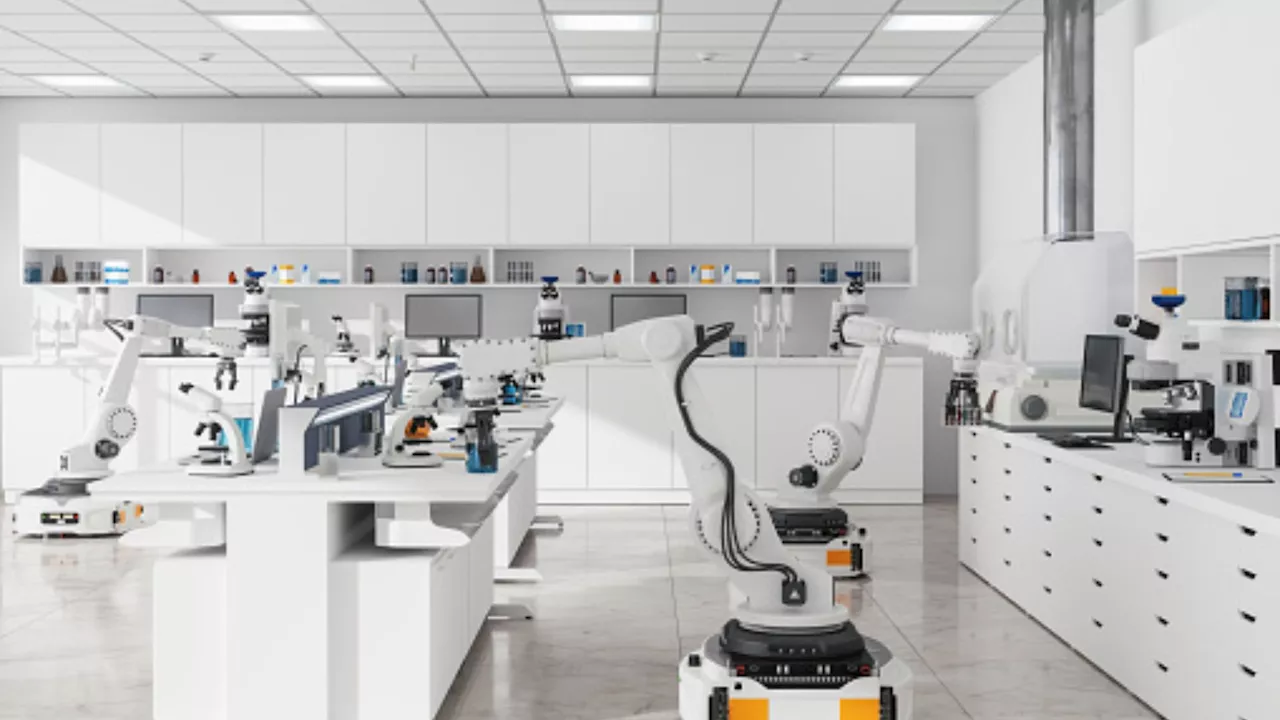
At the core of this advancement is an automated system that integrates robotics with a technique known as “click” chemistry. This method efficiently combines molecular building blocks. Dr. David Husbands, a postdoctoral researcher on the team, utilized this platform to pair nearly 200 different ligands with five metals, resulting in the creation of more than 700 unique metal complexes in under seven days.
The speed of this process is critical. Conventional antibiotic discovery pipelines are not only time-consuming but also increasingly unappealing to pharmaceutical companies. The researchers argue that automation can dramatically expand the scope of chemical exploration while significantly reducing both time and labor costs.
Following the synthesis phase, the team tested all 700 compounds for their antibacterial properties, identifying six promising candidates. One particular compound, an iridium-based complex, demonstrated strong antibacterial activity, including effectiveness against strains similar to MRSA, while exhibiting non-toxicity to human cells. This suggests a high therapeutic index, making it a strong contender for further development.
Exploring New Possibilities
Metal complexes provide distinct advantages over traditional antibiotics. Unlike the flat, carbon-based molecules that dominate current treatments, metal-based compounds are three-dimensional, allowing for novel interactions with bacteria that may bypass existing resistance mechanisms.
Dr. Frei emphasized the critical nature of this research, stating, “The pipeline for new antibiotics has been running dry for decades. We have to think differently.” He further noted, “By combining smart ‘click’ chemistry with automation, we have demonstrated that we can explore vast, untapped areas of chemical space at unprecedented speed.”
The implications of this study extend beyond antibiotics. The rapid-synthesis platform developed by the researchers could also be adapted for discovering new catalysts in industrial processes, broadening its potential applications well beyond the biomedical field.
The team is now focused on understanding the precise mechanisms by which the iridium compound attacks bacteria and aims to expand their robotic system for exploring other metals and applications. Their findings were published in the journal Nature Communications, marking a significant step forward in the fight against antimicrobial resistance and opening new avenues for drug discovery.