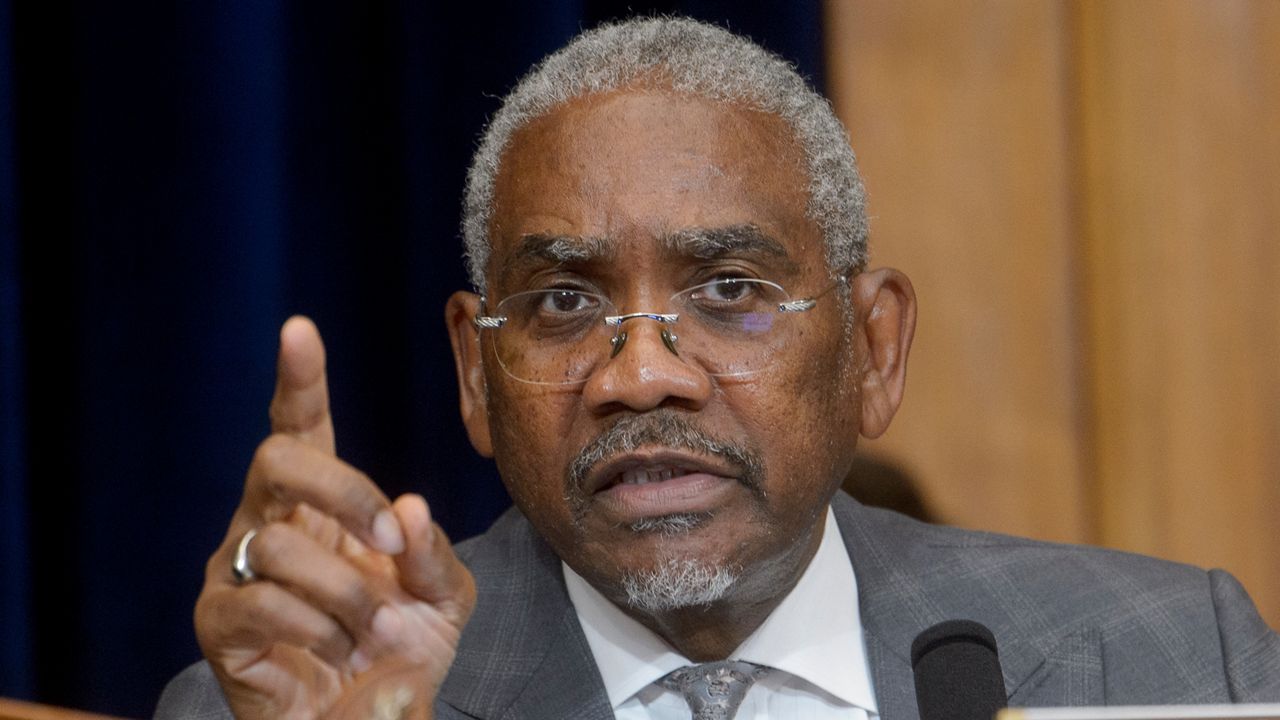
UPDATE: In a decisive move, Rep. Gregory Meeks, the top Democrat on the House Foreign Affairs Committee, has introduced urgent legislation to block the sale of advanced artificial intelligence chips to China and other arms-embargoed nations. This comes as U.S. lawmakers respond to what experts are calling an “AI arms race” with China.
Meeks’s proposal seeks to prevent the approval of export licenses for advanced AI chips, including the controversial H200 chips recently green-lit by former President Donald Trump. The legislation aims to prioritize American national security over corporate profits. “American national security cannot be sold for the benefit of a profit,” Meeks stated emphatically.
The urgency is heightened as the Department of Justice reported earlier this month that two individuals were arrested for allegedly smuggling H100 and H200 chips to China, describing these chips as “the building blocks of AI superiority” essential for modern military applications.
In a direct challenge to the Trump administration’s decision, Meeks expressed concern over potential “crony capitalism,” stating, “It seems as though there is a deal that is being cut there that really concerns me, and we cannot allow that to happen.” The implications are significant as these chips are pivotal for AI developments that could enhance military capabilities.
Meanwhile, Florida Republican Rep. Brian Mast, head of the House Foreign Affairs Committee, has introduced competing legislation that allows for the continued approval of export licenses. However, it gives Congress a window of 30 days to block these approvals with a majority vote from both chambers.
When asked if Congress would typically succeed in blocking such licenses, Meeks pessimistically replied, “No,” given the current Republican control of the House. To navigate this challenge, he is considering a discharge petition to force a vote on his legislation, which could escalate the urgency of the matter.
As part of his defense, Trump claimed that the H200 deal with Nvidia would ultimately benefit the U.S. economy, arguing it would reduce demand for Chinese chips while generating a 25% fee for the U.S. government. He noted on the social media platform Truth Social that Chinese President Xi Jinping responded positively to the deal.
This developing situation underscores the tension between national security and economic interests in the rapidly evolving landscape of artificial intelligence. As Congress grapples with these critical decisions, the stakes are high, and the outcome could redefine the U.S.’s position in global technology competition.
What happens next? Lawmakers are set to debate this legislation, and the actions taken in the coming days could have far-reaching implications for U.S.-China relations and the future of AI technology.