The European Union and several member states have expressed strong condemnation of a recent decision by the United States government to impose travel bans on five European individuals. These individuals are accused by the Trump administration of exerting pressure on technology companies to censor or suppress American viewpoints.
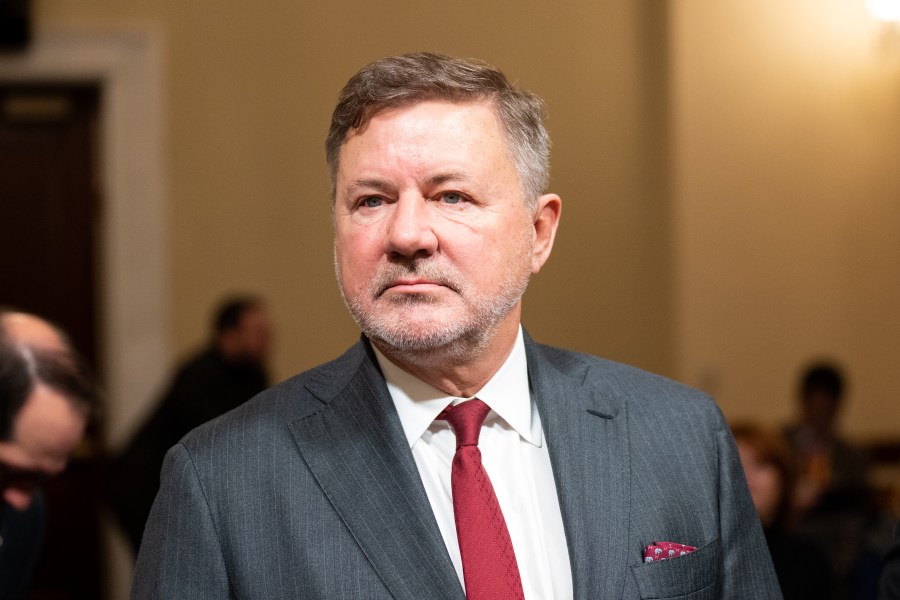
This action, announced on March 15, 2024, marks a significant escalation in tensions surrounding online speech and foreign influence. U.S. Secretary of State Marco Rubio labeled the five individuals as “radical” activists, further intensifying the diplomatic conflict. Among those targeted is Thierry Breton, the former EU commissioner responsible for overseeing social media regulations.
EU’s Stance on Unjustified Measures
The European Commission, the executive body of the EU, has indicated that it will take appropriate measures against what it considers “unjustified measures.” This warning comes as the EU seeks to protect its interests in the realm of digital regulation. The Commission’s response highlights growing concerns about the implications of U.S. policies on freedom of expression and international collaboration in technology governance.
In a statement, a spokesperson for the European Commission emphasized the need for balanced approaches to regulating online platforms, urging the U.S. to reconsider its actions that could be perceived as infringing on European sovereignty.
The travel bans reflect a broader initiative by the Trump administration aimed at countering foreign influence in the digital landscape. This campaign has raised alarms among European leaders, who argue that such unilateral actions undermine cooperative efforts to address online misinformation and enhance digital safety.
Reactions from European Leaders
Leaders from France, Germany, and the United Kingdom have voiced their discontent over the U.S. decision. They argue that the bans not only target individuals but also risk straining diplomatic relations between the EU and the U.S. The French government, in particular, has expressed its commitment to defending its citizens and ensuring that their rights to free speech are upheld.
The situation continues to evolve, and European officials are closely monitoring the implications of these travel restrictions. The ongoing dialogue between the EU and the U.S. will be crucial in determining the future of international cooperation in technology regulation and the protection of fundamental rights.
As this diplomatic row unfolds, both sides will need to address the underlying issues of content moderation, censorship, and the role of technology firms in shaping public discourse. The outcome may have lasting effects on transatlantic relations and the global landscape of internet governance.