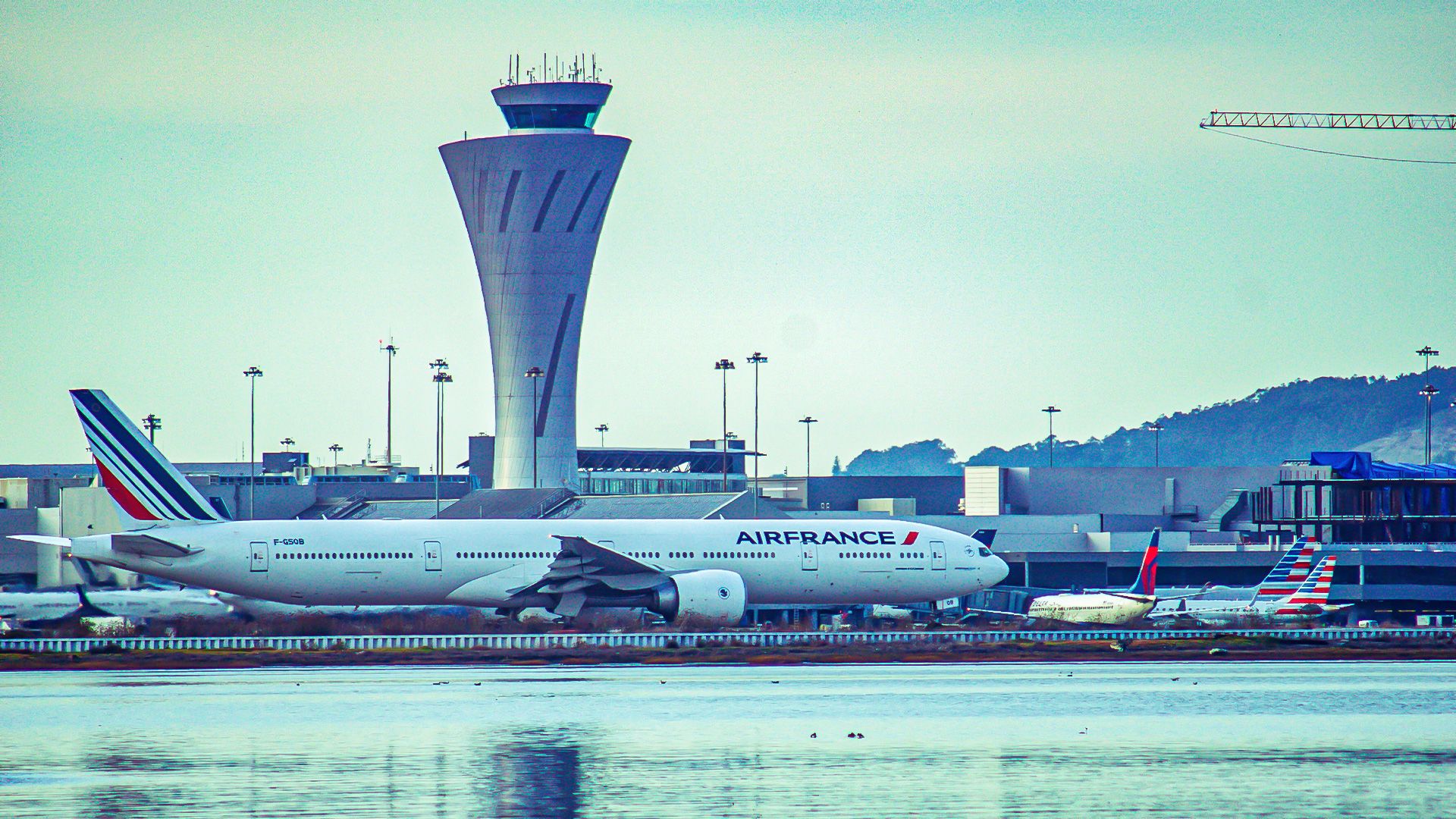
The United States is poised to revamp its air traffic control (ATC) system, addressing long-standing issues that have plagued the sector. The Federal Aviation Administration (FAA) and the United States Department of Transportation (DOT) have awarded a contract valued at up to $32.5 billion to Peraton, marking a significant step toward modernizing ATC equipment nationwide. This initiative aims to enhance the reliability of air travel, which has been compromised by outdated technology and staffing shortages.
The current air traffic control system, operational for decades, struggles to manage the increasing volume of air traffic efficiently. Flight delays have become commonplace, adversely affecting both major airlines and smaller carriers like JetBlue. Inadequate staffing at control towers contributes to operational disruptions, particularly during adverse weather conditions.
Sean Duffy, the Secretary of Transportation, emphasized the urgency of modernization, stating that the current equipment is no longer adequate for today’s demands. The contract with Peraton is structured to incentivize timely completion, with a projected completion date set for the end of 2028.
Details of the Modernization Contract
The multi-billion-dollar contract designates Peraton as the “Prime Integrator” for the largest aviation infrastructure project in recent history. A down payment of $12.5 billion has already been allocated, made possible by funding from former President Donald Trump‘s initiative known as the “One Big Beautiful Bill.” Additional funds, estimated at around $20 billion, will require congressional approval, creating potential for delays in the project timeline.
The FAA’s request for proposals was issued in August 2025, and Peraton was chosen for its expertise in complex technology platform integration and successful prior collaborations with government agencies. The contract is described as a “first of its kind,” designed to reward Peraton for good performance while penalizing delays. This innovative structure reflects a shift in how such large-scale projects will be managed.
Retired air traffic controller James Gillman remarked on the significance of the project, suggesting that it could finally bring the necessary connectivity and modernization that has been anticipated for decades.
The Importance of Modernization
According to the FAA, there were three times as many flight delay minutes attributed to ATC equipment problems in 2025 compared to the average between 2010 and 2024. Notable incidents, such as blackouts at the Philadelphia TRACON facility, highlighted the urgency of upgrading aging infrastructure. Problems traced back to outdated copper wiring and deteriorating technology have raised concerns about the reliability and safety of air travel.
The comprehensive modernization plans include a wide array of upgrades, including:
– New high-speed network connections: 5,170 connections
– New Enterprise Information Display Systems: 435 towers
– New radios: 27,625 units
– Upgraded radars: 612 units
– New weather stations in Alaska: 110 stations
The project also aims to expand ATC capabilities and improve efficiency by shifting toward Internet Protocol networks and consolidating various control facilities. These enhancements are expected to reduce delays and potentially increase airport capacity.
Challenges remain, particularly regarding the extensive nature of the U.S. air traffic control system. Coordinating the modernization efforts across numerous facilities will require meticulous planning and collaboration with various suppliers and partners.
While Duffy has expressed confidence in Peraton’s ability to deliver on time, skepticism persists. Retired air traffic controller Steve Meitz noted that the ambitious three-year timeline might prove overly optimistic, pointing to the FAA’s inconsistent track record with similar projects.
In addition to equipment upgrades, the FAA is actively addressing staffing shortages. Following a government shutdown in late 2023, the agency announced plans to hire 8,900 controllers by 2028, partly through enhanced training programs at select universities.
Modernizing the air traffic control system is a critical step, but it does not address the underlying issue of understaffed control towers. Many controllers currently work demanding schedules that often include mandatory overtime. The physical constraints of older airport layouts further complicate efforts to increase flight capacity, particularly in major metropolitan areas.
The ongoing modernization initiative reflects a broader recognition of the need to enhance the reliability and safety of American aviation. While the challenges are significant, the potential benefits of a revitalized air traffic control system could lead to safer and more efficient air travel for years to come.