BREAKING NEWS: Hollywood is rapidly shifting focus to lesser-known science fiction novels for potential adaptations, signaling an exciting new wave of storytelling. As studios seek fresh material with built-in audiences, several compelling narratives are emerging from the shadows.
Among the most promising titles is Brian W. Aldiss’s Helliconia trilogy, originally published between 1982 and 1985. This epic series chronicles the rise and fall of civilizations over an astonishing 1,800-year Great Year on a planet orbiting binary stars. With its unique climate challenges and complex societal dynamics, Helliconia could rival iconic adaptations like Dune. The potential for a high-budget series is immense, given the current success of prestige television.
Another exciting contender is H. Beam Piper’s Fuzzies, a 1962 Hugo-nominated first-contact story featuring playful humanoids on the planet Zarathustra. The narrative, which revolves around a courtroom battle over the Fuzzies’ sentience, resonates strongly in today’s discussions on AI and corporate ethics. Rumors of adaptation have swirled for years, with notable figures such as Channing Tatum reportedly attached to the project, although no concrete developments have emerged.
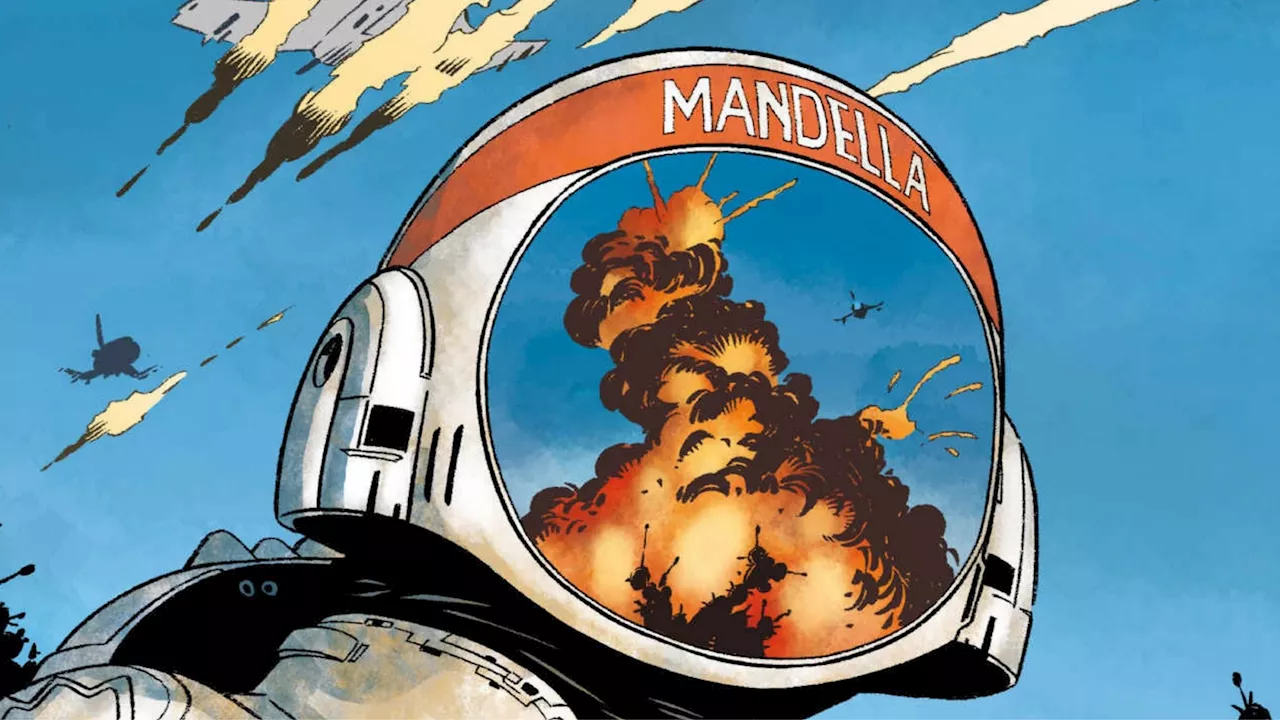
Additionally, Joe Haldeman’s The Forever War, a revered Hugo and Nebula award-winning novel, could provide a gripping limited series. Following the journey of William Mandella, a soldier affected by time dilation, this Vietnam War allegory explores themes of change and alienation. With advances in CGI, the novel’s combat sequences offer a visually stunning opportunity for adaptation.
Meanwhile, Ursula K. Le Guin’s The Dispossessed is also in the spotlight. The Hugo, Nebula, and Locus award-winning work delves into the intricacies of anarchism and capitalism, following physicist Shevek as he traverses two contrasting worlds. A film adaptation was announced in 2021, with Le Guin’s son involved, promising to bring the thought-provoking narrative to life.
Lastly, the Ringworld series, which debuted in 1979, presents an intriguing visual concept with its sentient habitat orbiting Saturn. The series raises profound questions about AI and existence, making it ripe for cinematic exploration.
As Hollywood pivots towards these underappreciated gems, audiences can anticipate a thrilling mix of adventure, philosophy, and innovative storytelling. Keep an eye on these adaptations as they develop, as they promise to redefine the sci-fi genre for a new generation.