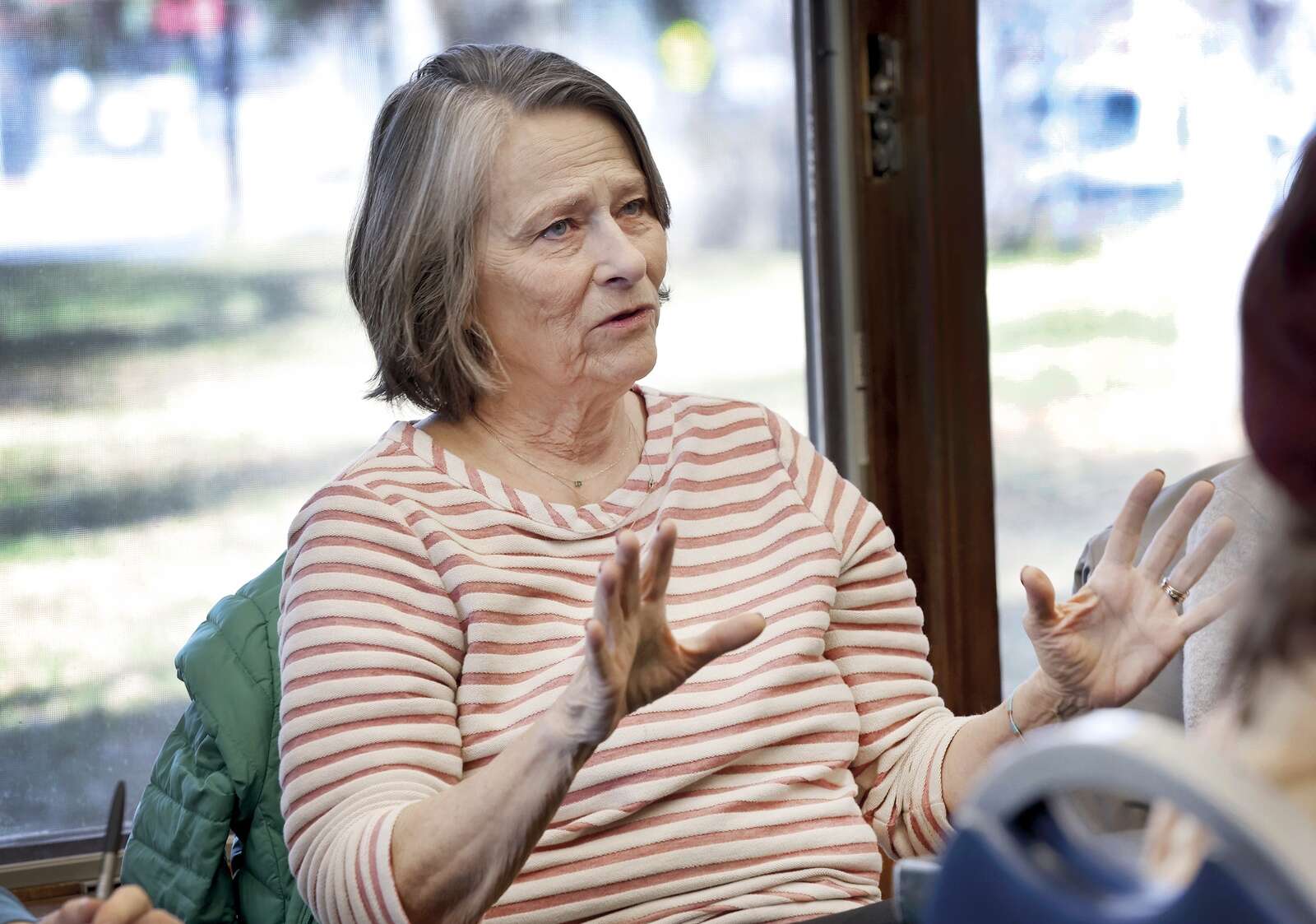
In La Plata County, Colorado, an estimated 1,100 individuals live with Alzheimer’s disease, a number that could increase significantly when including those with other types of dementia. The Durango Dementia Coalition, founded by Pat Demarest in 2022, aims to connect families with essential resources and support for dementia care. Despite the availability of these resources, many residents are unaware of them, prompting the Coalition to take action.
The Coalition, which became a full-fledged 501(c)(3) nonprofit last year, collaborates with Southwest Colorado Respite Resources to compile existing local services, advocate for dementia support, and eliminate the stigma associated with the disease. The initiative is particularly vital, as over 7 million Americans currently suffer from Alzheimer’s, the most common form of dementia that impairs critical cognitive functions like memory and language.
A significant challenge highlighted by Demarest is that around 60% of individuals with dementia fail to recognize their condition, while those who do are often susceptible to depression. “Coming out” as a person with dementia requires considerable courage, as Demarest experienced firsthand while caring for her husband, who passed away from Alzheimer’s in October 2022.
Demarest noted the systemic gaps in care for dementia patients, stating, “There are clinical pathways for other diseases. When someone is discharged after a heart attack, they go to cardiac rehab. None of that exists for this particular disease.” This lack of structured support can leave families feeling abandoned at a critical time.
The Coalition’s initial goal was to identify available resources in Durango and La Plata County. Demarest described the process as challenging, with previous attempts by organizations like the Alzheimer’s Association often falling short due to a lack of local knowledge. The Coalition produced a comprehensive 35-page guide titled “Planning Your Journey: A Care Planning Tool for People with Dementia, Families, and Caregivers,” which offers practical advice and a directory of resources.
To further strengthen community support, the Coalition has developed a caregiver network that currently includes 120 members, alongside a newsletter distributed to approximately 550 people. Kim Schooley, the Coalition’s vice president, emphasized the importance of these connections, stating, “Rural areas are difficult… So finding where those resources are is a little bit more difficult.” The Coalition aims to raise awareness among physicians, care providers, and social workers about the support available.
Demarest’s efforts have led to earlier connections between dementia patients and palliative care, significantly improving quality of life for many. As a member of the Colorado Department of Public Health and Environment’s Alzheimer’s Disease and Related Dementias Action Coalition, she is acutely aware of the need for enhanced support in rural areas, where resources are often scarce.
The Coalition has distributed around $8,000 to support caregivers since launching its financial assistance program. Recipients like Paul Rado have found the aid invaluable. Rado, whose wife was diagnosed with Alzheimer’s in 2022, received a $1,000 stipend to help cover home care services. He expressed gratitude for the support, stating, “It’s a good program and it helps people with the financial burden that we already have.”
The Coalition has also provided assistance for transportation services, which remains a critical challenge for many families. The statistics surrounding Alzheimer’s in Colorado are stark, with approximately 90,800 residents living with the disease and around 1,871 deaths attributed to it in 2022. Notably, women make up about two-thirds of those diagnosed, and people of color face higher risks compared to their white counterparts.
As the Coalition continues to expand its reach, it aims to develop an adult day program to offer caregivers respite while providing engaging activities for dementia patients. Currently established in La Plata County and Pagosa Springs, the Coalition plans to extend its services into Montezuma County and other areas of Colorado’s Region 9.
Demarest underscores that the journey is ongoing, stating, “It’s a desert out there… especially in Southeast Colorado.” The Coalition’s mission to share its findings and resources with other rural communities exemplifies the need for grassroots initiatives that can make a substantial difference in the lives of individuals affected by dementia.
In conclusion, while Alzheimer’s and dementia present profound challenges, organizations like the Durango Dementia Coalition are essential in bridging the gap between patients, caregivers, and available resources. By fostering connections and raising awareness, they are helping families navigate the complexities of dementia care with greater support and understanding.