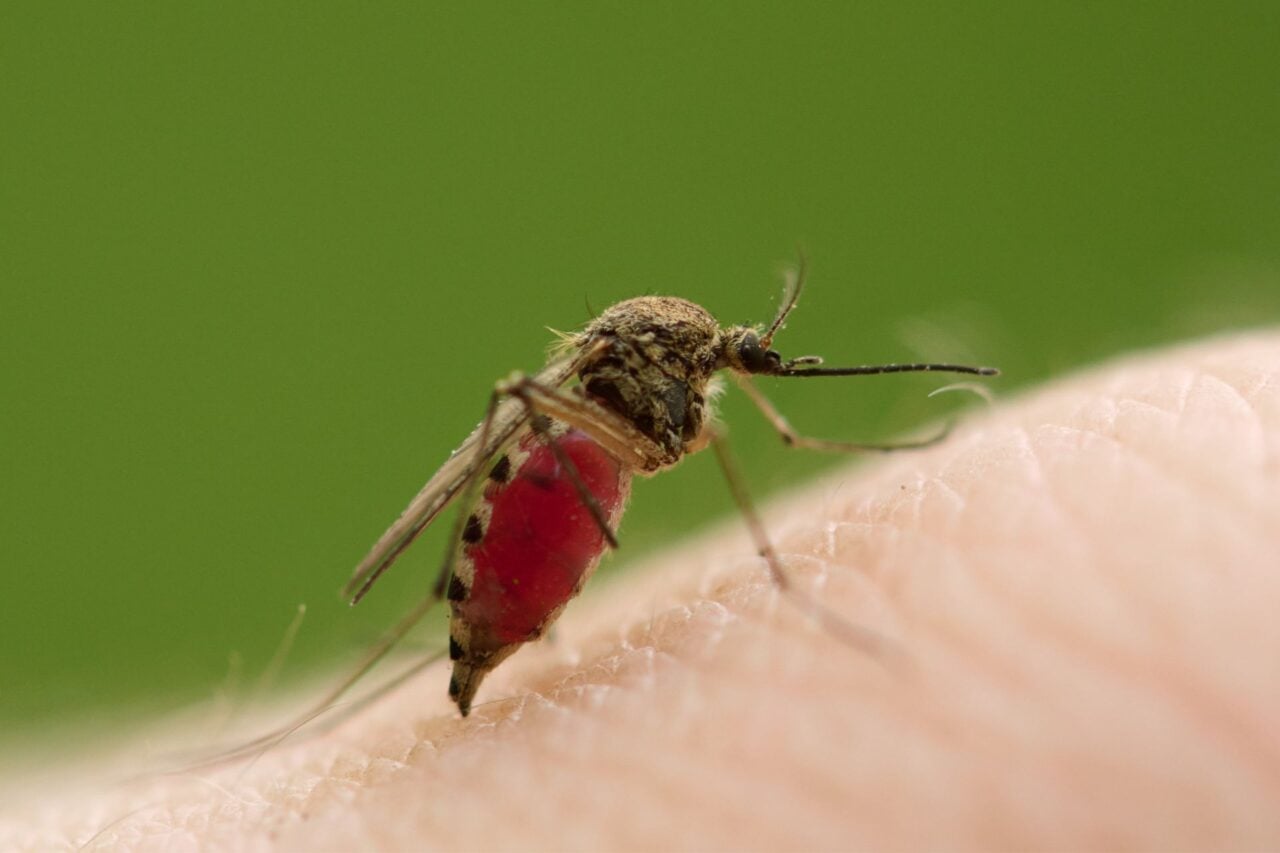
A recent study indicates that male mosquitoes are capable of feeding on blood, a finding that challenges long-held beliefs about these insects. Researchers from Pennsylvania State University and other institutions published their results in a preprint on bioRxiv, revealing that under specific conditions, male mosquitoes can indeed consume blood. This revelation raises questions about the potential health risks posed by these insects, warranting further investigation.
Accidental Discovery of Male Blood-Feeding Behavior
Traditionally, it has been understood that male mosquitoes primarily feed on nectar and sugary substances, while female mosquitoes are the ones that rely on blood for nourishment. The study’s lead author, Jason Rasgon, an entomologist at Penn State, noted that the research initially began as a side project. It was during a blood-feeding experiment in the lab that a graduate student observed male mosquitoes consuming blood. This unexpected finding prompted Rasgon to delve deeper into the phenomenon.
The team conducted a series of experiments to explore this behavior. They discovered that certain male species could be induced to feed on blood when dehydrated. By creating CRISPR-edited mosquitoes that lacked the ability to sense humidity, they confirmed that dehydration plays a crucial role in stimulating blood-feeding behavior in male mosquitoes.
Significant Health Implications
The implications of these findings are significant, particularly concerning the transmission of diseases. The study revealed that male mosquitoes can carry the West Nile virus, which could replicate within them and potentially lead to new infections if transmitted to other hosts. The researchers even collected wild male mosquitoes from locations such as Texas and Mallorca, which tested positive for vertebrate DNA, indicating they had fed on animals, including dogs and humans.
Rasgon’s personal involvement in the research added an intriguing twist. After sustaining a cat scratch, he exposed the wound to a cage of dehydrated male mosquitoes. Five of the males probed around the wound, and one successfully fed on his blood. In another instance, a male mosquito pierced his skin, causing a typical immune response, although it did not manage to locate a blood-carrying capillary.
The study found that at least five species of male mosquitoes, including Cx. tarsalis, Cx. quinquefasciatus, Ae. aegypti, Ae. notoscriptus, and An. stephensi, can consume blood, expanding the scope of potential disease vectors.
As the research progresses, Rasgon and his team have submitted their study for peer review, emphasizing the need for rigorous fieldwork to understand the prevalence and implications of male blood-feeding behavior. “We need to do this in a rigorous manner,” Rasgon stated, highlighting the necessity for further funding and comprehensive studies to unravel the complexities of mosquito behavior.
The findings challenge existing assumptions about the role of male mosquitoes in disease transmission, prompting a reevaluation of strategies aimed at combating mosquito-borne illnesses. The researchers believe that even if male mosquitoes play a minor role in disease transmission, their contribution could be significant enough to merit closer examination.
As this area of study unfolds, the scientific community is poised to gain a deeper understanding of the vampiric habits of male mosquitoes and their potential impact on public health.