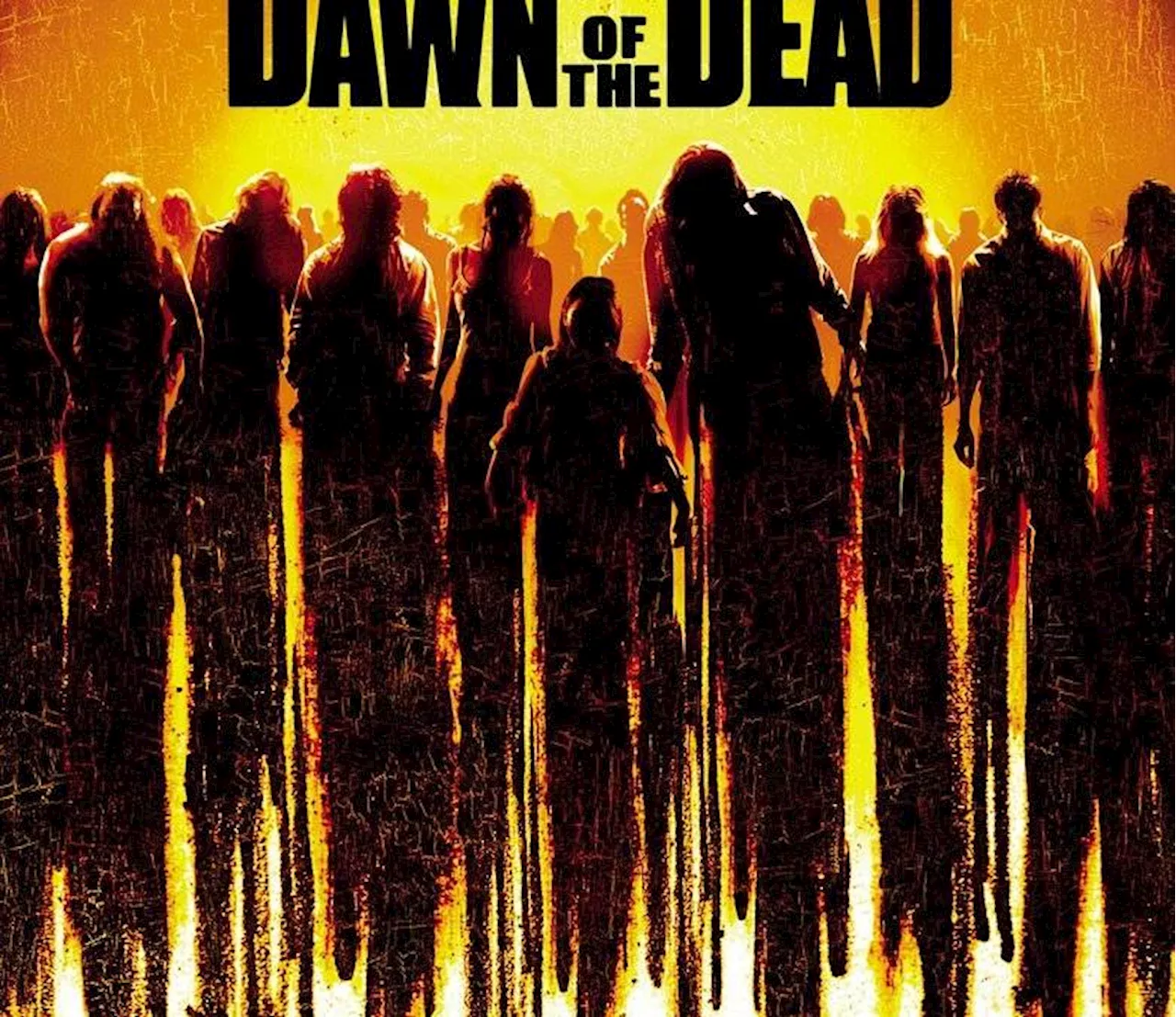
The 2004 film Dawn of the Dead, directed by Zack Snyder, continues to capture the attention of audiences and critics alike, solidifying its place in the horror genre. As the film approaches its milestone anniversary, various entertainment outlets, including Collider, are providing fresh insights and reviews, highlighting its impact and legacy.
Set against the backdrop of a global epidemic that transforms ordinary people into aggressive, flesh-eating zombies, Dawn of the Dead follows a diverse group of survivors, including a nurse, a policeman, and a young married couple, who take refuge in a large shopping mall in the Midwest. The film is a remake of George Romero‘s original 1978 classic, which is renowned for its commentary on consumerism and societal collapse.
Reviews and Legacy
Despite the challenges of remaking a beloved classic, Snyder’s adaptation has garnered a 77% approval rating on Rotten Tomatoes, which speaks to its effectiveness in appealing to both fans of the original and new viewers. Critics have praised Snyder for successfully modernizing the story while retaining its essential themes. Collider highlights the film’s blend of horror and action, making it a standout in the genre.
As streaming platforms like Netflix frequently update their libraries, audiences are reminded to appreciate Dawn of the Dead while it’s available. Various articles outline the “must-watch” films that are set to leave Netflix, with Snyder’s work consistently noted as a top recommendation.
Comparative Analysis in Horror Remakes
In discussions surrounding the best horror remakes, Dawn of the Dead is often placed alongside films like Evil Dead and The Hills Have Eyes. These films share a common thread of redefining classic horror narratives for modern audiences. The success of these remakes underscores a trend in the film industry, where filmmakers aim to breathe new life into established stories while addressing contemporary themes.
Collider’s coverage emphasizes that Dawn of the Dead stands out not only for its thrilling narrative but also for its character development and social commentary. As audiences engage with the film, they are not only entertained but also prompted to reflect on the societal implications portrayed within the story.
As the horror genre continues to evolve, Dawn of the Dead remains a crucial part of its history, influencing both filmmakers and viewers. With the ongoing interest in horror remakes, Snyder’s adaptation is likely to be revisited and discussed for years to come.
For those interested in a deeper exploration of the film’s themes and its impact on the genre, Collider and other entertainment platforms provide extensive reviews and features that shed light on both the film’s artistry and its cultural significance.
In conclusion, Dawn of the Dead is more than just a horror film; it is a commentary on society wrapped in thrilling cinematic experience. As viewers seek out both classic and contemporary films, this 2004 remake continues to resonate, inviting reflection and discussion about its enduring legacy.