
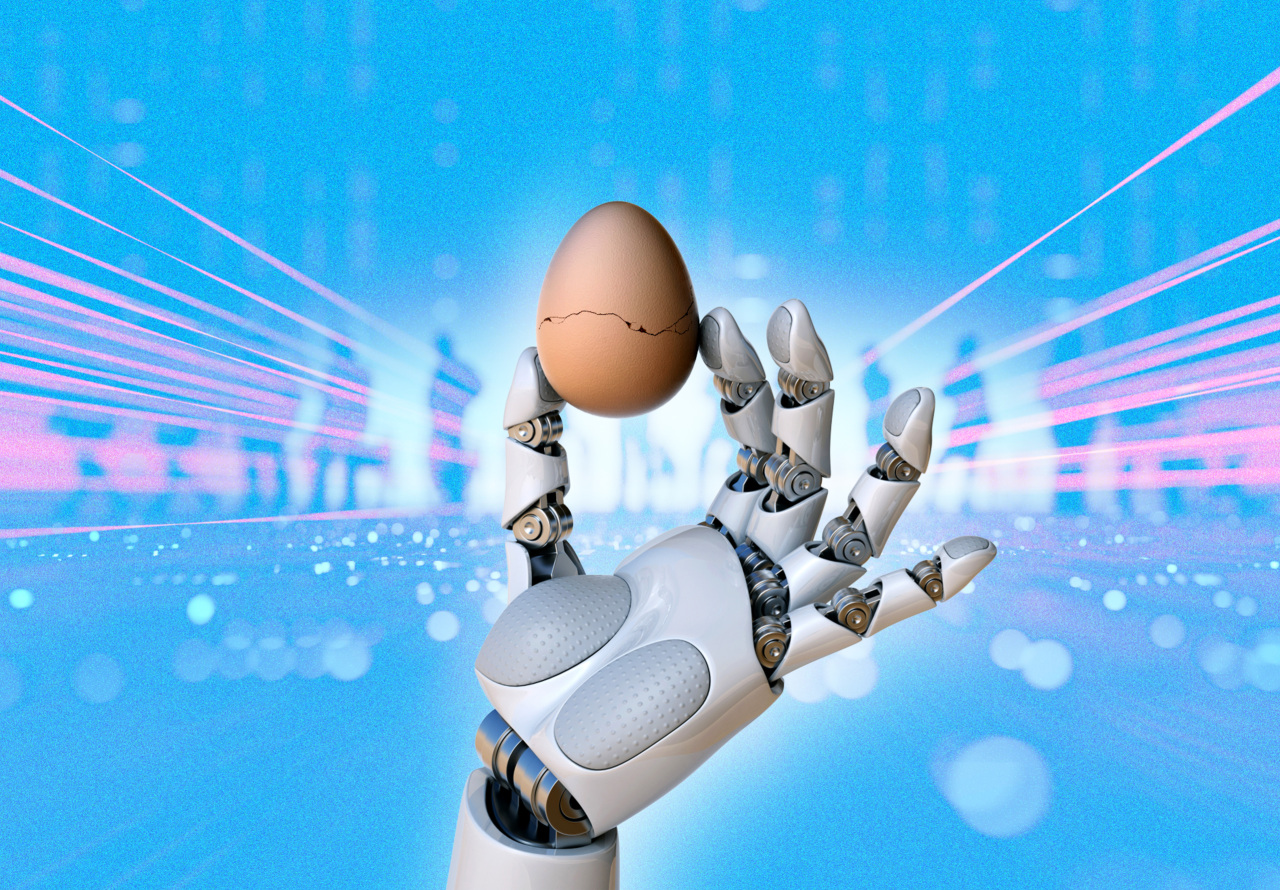
The future of humanoid robots appears promising, with projections suggesting they could generate a staggering $5 trillion market. Despite this potential, significant advancements and time are required before achieving widespread integration into everyday life.
Currently, companies like Boston Dynamics, Honda, and SoftBank Robotics are at the forefront of developing humanoid robots that can perform a variety of tasks. These advancements aim to enhance productivity across multiple sectors, from manufacturing to healthcare. However, experts caution that the journey towards a fully functional humanoid robot ecosystem is complex and will necessitate considerable improvements in technology.
Technological Hurdles Ahead
The path to a thriving humanoid robot market is littered with challenges. The robots must not only become more sophisticated in their movements but also improve their ability to interact intuitively with humans. Currently, many existing models struggle with balance, mobility, and decision-making in unpredictable environments.
According to a 2023 report from the World Economic Forum, the integration of humanoid robots into workplaces might take over a decade. This timeline reflects the need for ongoing research and development, particularly in artificial intelligence and machine learning. These technologies are crucial for enabling robots to understand and respond to human emotions and actions effectively.
Market Dynamics and Future Outlook
Despite the hurdles, the potential market for humanoid robots is enormous. As industries face labor shortages and rising operational costs, businesses are increasingly looking to automation as a solution. Proponents argue that humanoid robots could fill critical gaps, offering efficiency and precision in tasks that are repetitive or hazardous for humans.
Market analysts predict that by 2030, the demand for humanoid robots will see substantial growth as companies begin to adopt them more widely. This shift could lead to significant job creation in the technology sector, particularly in areas related to robot maintenance and programming.
However, ethical considerations regarding the use of humanoid robots in sensitive environments, such as healthcare, must also be addressed. As robots take on more responsibilities, ensuring they operate safely and effectively becomes paramount.
In summary, while the vision of a $5 trillion humanoid robot market is enticing, it is clear that the journey is fraught with challenges that will require time, innovation, and careful consideration of the implications of these technologies. The evolution of humanoid robots stands as a testament to human ingenuity, with the promise of revolutionizing various industries still on the horizon.


