NASA has published its latest findings in the field of space life sciences, detailing significant research results relevant to astrobiology, space biology, and space medicine. Released on December 24, 2025, this report synthesizes key studies conducted aboard the International Space Station (ISS) and explores the effects of microgravity on biological systems.
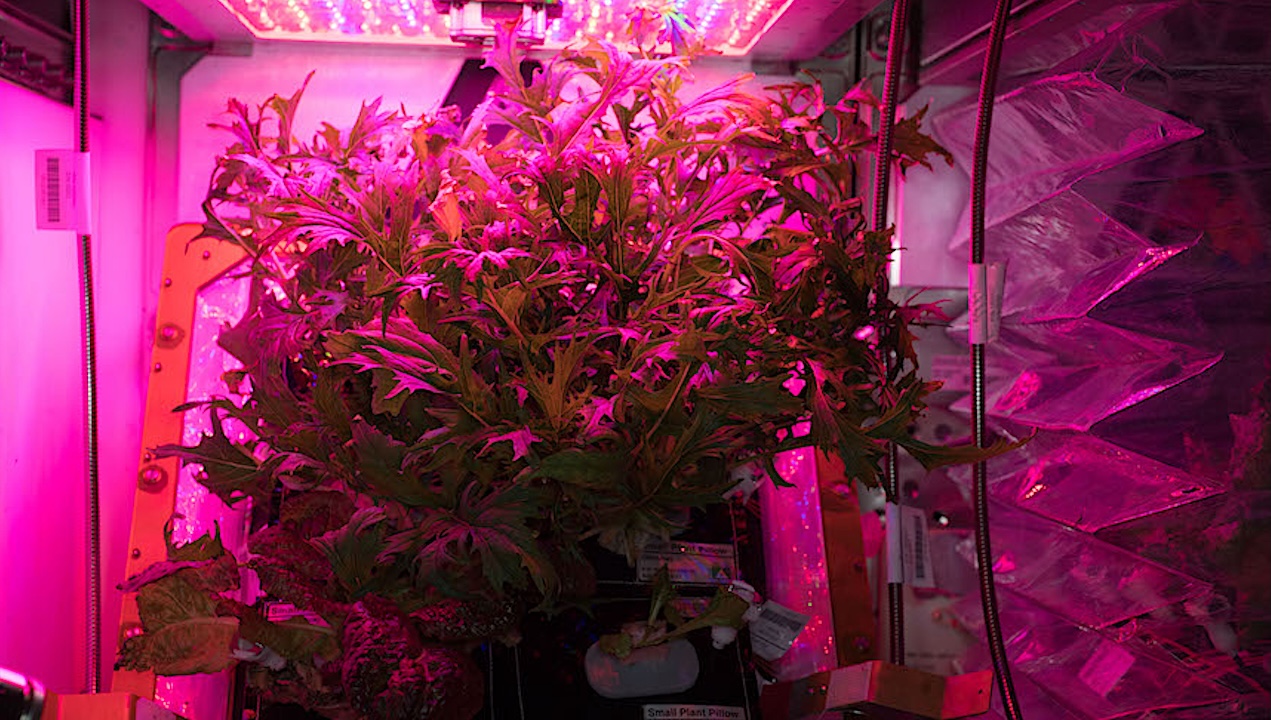
Research in space biology continues to provide insights into how living organisms adapt to conditions beyond Earth. The report highlights various experimental results that contribute to our understanding of these adaptations, which could have profound implications for future long-duration space missions and potential human settlement on other planets.
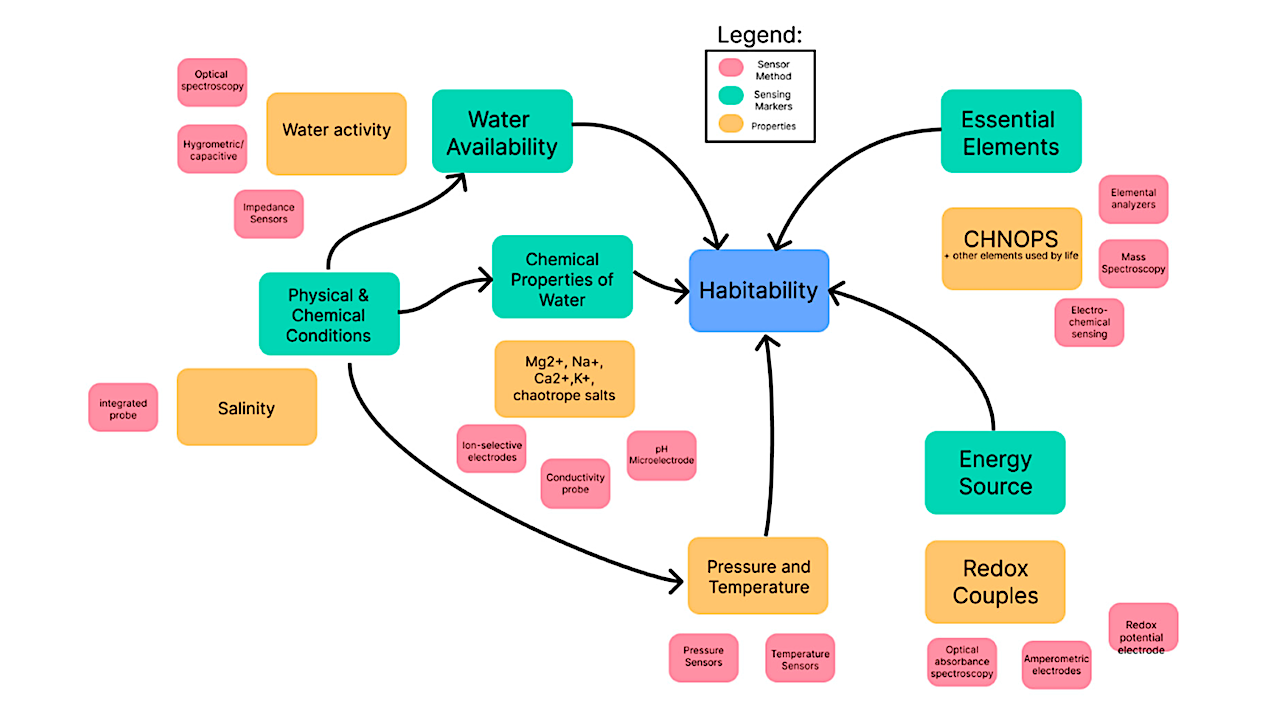
One of the critical areas of focus in this research is astrobiology, which examines the potential for life in outer space. The findings emphasize the importance of studying microbial life in microgravity environments to assess how these organisms survive and thrive outside their native habitats. This knowledge is essential not only for space exploration but also for understanding life on Earth and the potential for extraterrestrial life.
In addition to astrobiology, the latest studies delve into the realm of space medicine, addressing the physiological changes that astronauts experience during their time in space. Key findings suggest that microgravity can significantly impact muscle mass, bone density, and overall cardiovascular health. This information is crucial for developing effective countermeasures to maintain astronaut health on lengthy missions, such as those planned for Mars.
NASA’s ongoing commitment to space life science research is evident in the diverse range of studies being conducted. Each research project contributes to a broader understanding of life in space, laying the groundwork for future exploration. This information is not only vital for NASA but also for international partners and private spaceflight companies looking to advance human space exploration.
For those interested in exploring the full range of findings, the abstract for the report is available on PubMed and the publisher’s site, providing a comprehensive overview of the research outcomes. As space exploration continues to evolve, the insights gained from these studies will play a pivotal role in shaping the future of human life in space.
NASA’s dedication to advancing knowledge in space life sciences underscores the importance of this research. As humanity looks toward future missions beyond our planet, understanding the biological implications of space travel remains a top priority.