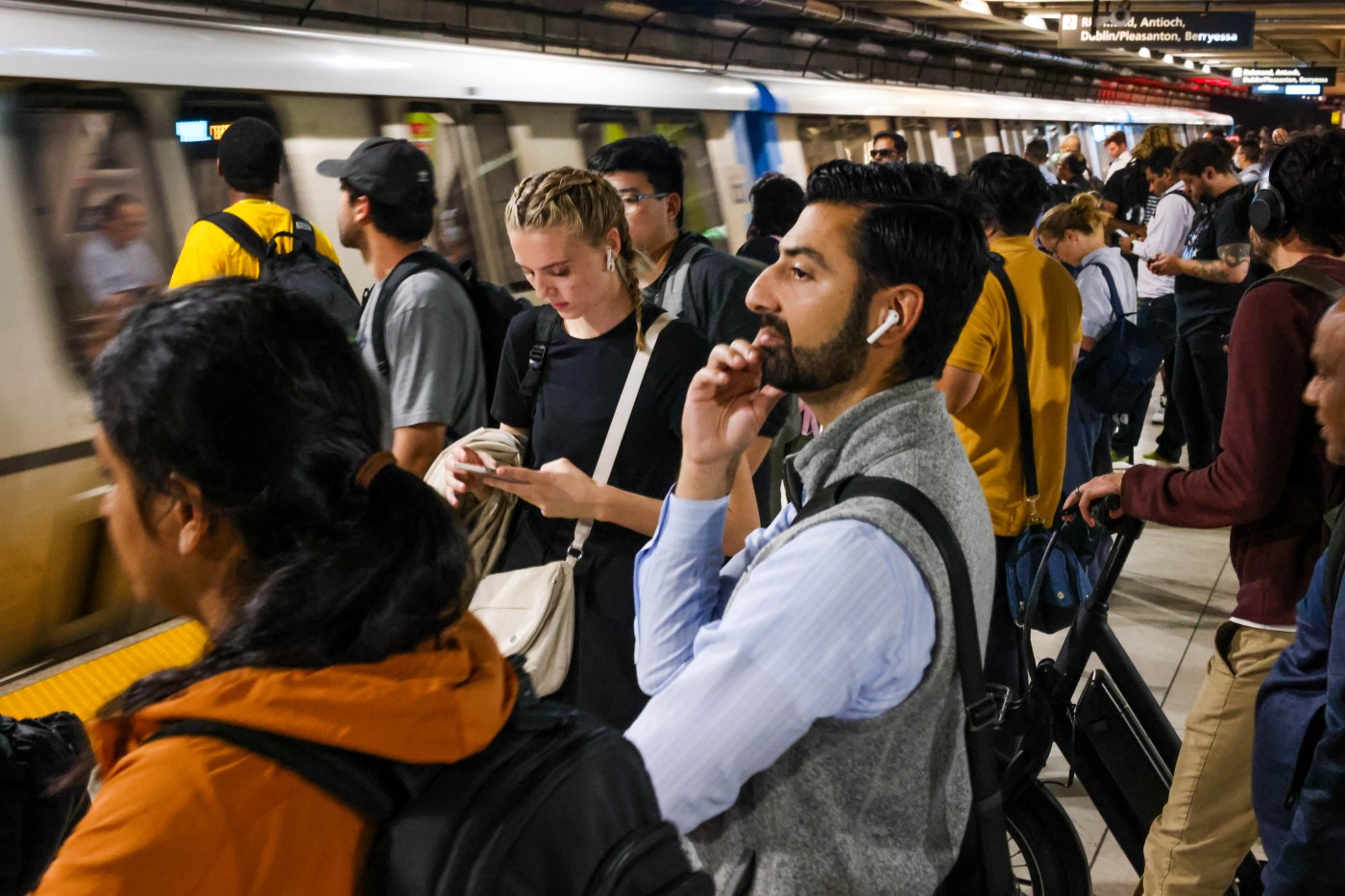
URGENT UPDATE: Starting January 1, 2024, Bay Area commuters will face significant fare increases as BART raises fares by 6.2% to combat a staggering projected $376 million deficit by 2027. Alongside fare hikes, tolls on seven state-owned bridges will also rise by 50 cents, impacting daily travelers.
This fare increase comes amid rising ridership, which has exceeded 51.7 million total rides in the past year, peaking at over 5 million paid exits in October. However, the BART system has struggled with service disruptions attributed to aging infrastructure and power failures. As a result, these fare adjustments are seen as crucial for maintaining service levels and financial stability.
BART’s average fare will increase by 30 cents, from $4.88 to $5.18. Short trips, such as from Downtown Berkeley to 19th St./Oakland, will see a rise of 15 cents, while longer journeys, like from Antioch to Montgomery, will increase by 55 cents. Daily parking rates will also surge by 40 cents at most stations, with increases of 30% at high-demand locations including Glen Park and Walnut Creek. Monthly parking rates may jump by more than $30 at major hubs.
BART Board President Mark Foley emphasized the necessity of these increases, stating,
“As we ask the region for greater investments and support for BART while also making internal cuts to reduce costs, we also must ask our riders to contribute more towards their trips.”
He added that the agency is committed to improving efficiencies and implementing strict cost controls.
The looming fiscal cliff has prompted BART to plan cost-saving measures amounting to $108 million for next year to maintain current service levels. These measures include operational adjustments such as running shorter trains to curb energy costs and a strategic hiring freeze.
If the financial situation is not addressed, BART warns of drastic service reductions, which could include decreased trip frequencies, earlier 9 p.m. closures, and potential layoffs. The agency’s future operations are at risk, reflecting broader concerns across Bay Area transit systems like Caltrain, which has also signaled potential cuts due to budgetary shortfalls.
Amid these challenges, California Governor Gavin Newsom signed Senate Bill 63, allowing a regional transit sales tax measure to be placed on the November 2026 ballot. This measure could generate approximately $1 billion annually over the next 14 years, with BART expected to receive around $330 million by 2031, as reported by the Metropolitan Transportation Commission.
In addition to BART’s fare increases, tolls on the San Francisco-Oakland Bay, Antioch, Benicia-Martinez, Carquinez, Dumbarton, Richmond-San Rafael, and San Mateo-Hayward bridges will rise to $8.50 for two-axle vehicles. Larger commercial vehicles will see toll hikes of up to $3.50. Peak-hour carpool tolls will increase by 25 cents to $4.25. Notably, the Golden Gate Bridge tolls are not included in this increase.
For more details on the fare increases and parking adjustments, commuters can visit the official BART and Bay Area FasTrak websites. As these changes take effect, the impact on daily commuters is expected to be significant, prompting immediate attention and discussion among riders and transit authorities alike.