Approximately 11.4 percent of children are diagnosed with attention deficit hyperactivity disorder (ADHD), according to the Centers for Disease Control and Prevention (CDC). Many of these children are prescribed medications such as Ritalin and Adderall to manage symptoms like inattention and impulsivity. Recent research indicates that these stimulants may not primarily target attention networks as previously believed. Instead, they appear to activate the brain’s reward and wakefulness centers, which can help alleviate ADHD symptoms by enhancing arousal and motivation.
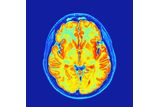
In a study published in the journal Cell, researchers from the Washington University School of Medicine in St. Louis examined brain responses to stimulants in a sample of 5,795 children aged 8 to 11, as part of the Adolescent Brain Cognitive Development (ABCD) Study. This group included 337 children who had taken stimulants on the day of the MRI scan and another 76 children with prescriptions but who did not take their medication that day. The remaining participants had no history of stimulant use.
The research revealed minimal differences in areas of the brain associated with attention, such as the dorsal attention network and prefrontal cortex. In contrast, significant activity was observed in brain regions linked to reward and wakefulness. The findings suggest that rather than enhancing focus, ADHD medications may boost motivation, making tasks more engaging.
Nico U. Dosenbach, the David M. & Tracy S. Holtzman Professor of Neurology at Washington University, noted, “Essentially, we found that stimulants pre-reward our brains and allow us to keep working at things that wouldn’t normally hold our interest.” This perspective challenges long-standing beliefs about the role of stimulants in enhancing attention.
Implications for ADHD Treatment and Sleep Patterns
Benjamin Kay, an assistant professor of neurology at the same institution, commented on the implications of these findings. He stated, “I prescribe a lot of stimulants as a child neurologist, and I’ve always been taught that they facilitate attention systems to give people more voluntary control over what they pay attention to. But we’ve shown that’s not the case.” Kay emphasized that the improvement in attention is likely a secondary effect of increased alertness and motivation.
A follow-up study involving five adults without ADHD and no history of stimulant use further confirmed the initial findings. Researchers observed that the areas of the brain responsible for reward and wakefulness were more active following stimulant administration.
The ABCD Study provided additional insights by correlating medication use with academic performance and sleep patterns. It highlighted that children with ADHD and those who do not meet the recommended 9 hours of sleep per night benefited from stimulant medications, performing better in school compared to their peers who were sleep-deprived and did not take medication. Interestingly, stimulants showed no significant effect on neurotypical children who were getting adequate sleep.
Despite these findings, researchers caution that medication should not be considered a substitute for proper sleep. Kay noted, “Not getting enough sleep is always bad for you, and it’s especially bad for kids.” He urged clinicians to factor in sleep duration when diagnosing ADHD, highlighting the potential risks associated with overlooking sleep deprivation.
This study underscores the need for a nuanced understanding of ADHD treatment. Medication may alleviate some symptoms, but it does not replace the fundamental requirement for adequate sleep, which is critical for children’s overall health and cognitive functioning.
This article is intended for informational purposes only and does not constitute medical advice.