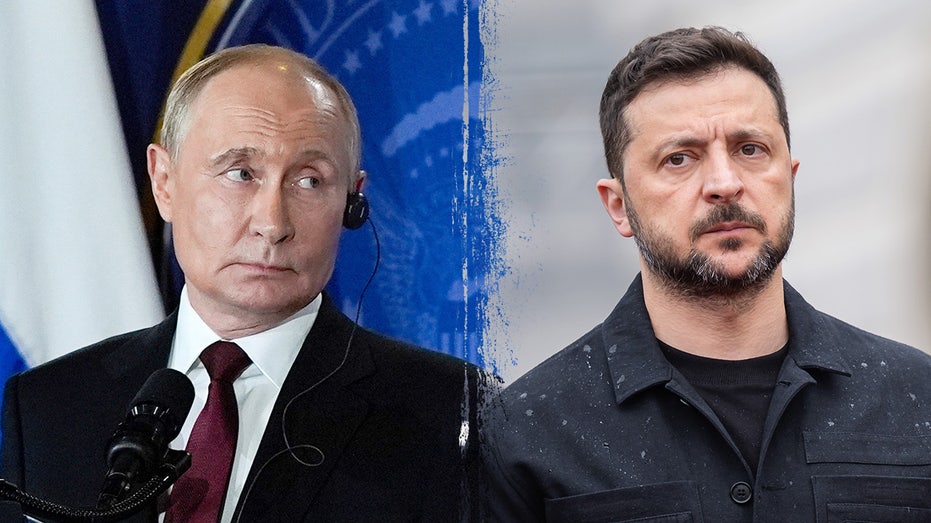
The ongoing conflict between Russia and Ukraine escalated recently when Russia accused Ukraine of launching a drone attack on a residence linked to President Vladimir Putin. The incident has raised tensions as Ukraine categorically denied the allegations, asserting that the claims are unfounded and part of a broader Kremlin narrative.
Drone Attack Allegations and Responses
On August 31, 2023, Russia’s defense ministry reported that Ukraine conducted a large-scale drone assault targeting a presidential residence in the Novgorod region. According to Russian officials, the operation involved 91 long-range drones, most of which were intercepted by Russian air defenses. Moscow characterized the incident as a “terrorist act” and warned that it would tighten Russia’s negotiating stance in ongoing peace discussions.
Dmitry Peskov, Kremlin spokesperson, stated, “This terrorist action is aimed at collapsing the negotiation process,” indicating that such actions would compel Russia to adopt a more hardline approach in talks. He emphasized the seriousness of the situation, suggesting that Moscow would respond accordingly during negotiations.
In contrast, Ukrainian officials, including Foreign Minister Andrii Sybiha, dismissed the allegations, asserting that Russia has not provided credible evidence to support its claims. Sybiha described the accusations as typical of Russia’s tactics, stating, “Russia has a long record of false claims — it’s their signature tactic.” Ukrainian President Volodymyr Zelenskyy echoed these sentiments, indicating that discussions with U.S. officials led to the conclusion that the allegations were fabricated.
Peace Talks and Diplomatic Maneuvers
The claims come at a critical time as Zelenskyy prepares to present a 20-point peace proposal to former U.S. President Donald Trump during an upcoming meeting at Mar-a-Lago. This proposal serves as a counteroffer to a 28-point framework previously suggested by Trump’s administration. Zelenskyy described this period as “some of the most active diplomatic days of the year,” underscoring the urgency of advancing peace efforts.
Zelenskyy’s initiative includes key provisions such as Western-backed security guarantees similar to NATO’s Article 5, a cessation of hostilities along current battle lines, and the establishment of demilitarized zones supervised by international forces. These elements have been met with resistance from Moscow, particularly the refusal to formally recognize Russian control over occupied territories, which remains a contentious point in negotiations.
In light of the allegations, Zelenskyy has publicly expressed concerns that Russia may be using the situation to justify further military actions, particularly against Ukrainian government structures. He remarked, “We understand that it’s fake,” reinforcing the notion that Russia might be attempting to manipulate the narrative to its advantage in diplomatic forums.
The situation has prompted responses from U.S. officials, including Matthew Whitaker, the U.S. ambassador to NATO, who noted that Washington is actively investigating Russia’s claims. “It’s unclear whether it actually happened,” Whitaker said, emphasizing the need for thorough examination of the incident.
As the diplomatic landscape evolves, both sides appear entrenched in their positions, with Russia’s allegations complicating efforts toward a peaceful resolution. The upcoming discussions between Zelenskyy and Trump could play a significant role in shaping the trajectory of the conflict and the international response.