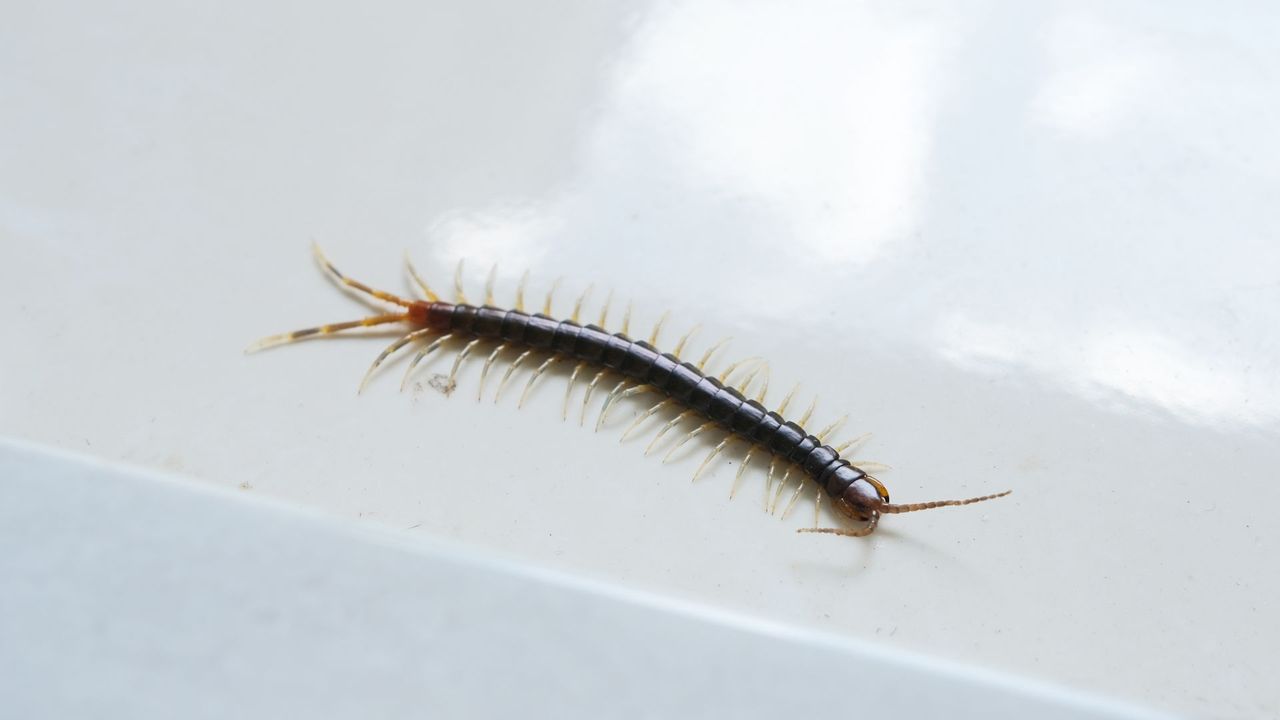
Spotting a centipede in your home can be disconcerting, yet it may signal a bigger issue. These predatory insects typically enter living spaces in search of food, indicating an underlying presence of other pests. Understanding their behavior and addressing the root of the problem can help homeowners reclaim their spaces.
Understanding Centipedes and Their Habitat
Centipedes are natural predators that thrive in environments rich with other insects, such as ants, spiders, and cockroaches. If they are appearing frequently within your residence, it is likely a sign that these other pests are present as well. Centipedes are particularly attracted to moisture and humidity, often found in areas like bathrooms, kitchens, and basements.
Their preference for dark, undisturbed spaces means they can often be found hiding under sinks, near drains, or in cluttered storage areas. The presence of centipedes is not merely an inconvenience; it suggests that your home may be harboring a variety of other unwanted insects.
Identifying a Centipede Problem
Occasional sightings of centipedes may not indicate an infestation. However, if you frequently encounter them, it warrants further investigation. Look for signs such as translucent moltings, which indicate growth and a thriving population.
Moreover, if you observe multiple centipedes congregated in one area, they likely have found a concentrated food source or a comfortable shelter. The most significant warning sign is the presence of other pests. If ants, cockroaches, or silverfish are visible, it is likely that centipedes are hunting them.
Eliminating Centipedes and Their Food Sources
To effectively address a centipede problem, the best strategy is to eliminate the insects that they prey upon. Maintaining a clean and organized home is crucial. This includes promptly wiping up food crumbs, not leaving dirty dishes out, and vacuuming regularly to remove insects and their eggs, particularly in corners and under furniture.
Sealing cracks and crevices around windows, doors, and foundation walls can prevent insects from entering. Additionally, food should be stored in airtight containers, and garbage should be disposed of regularly. If specific pest problems, such as ant trails or cockroach sightings, are identified, direct treatments should be applied to manage those infestations.
Controlling Humidity and Sealing Entry Points
Centipedes thrive in humid environments, making moisture control essential for prevention. Using dehumidifiers in areas prone to dampness—such as basements and bathrooms—can significantly reduce their appeal. Promptly fixing leaks and cleaning gutters to prevent water pooling are also key steps in reducing humidity levels.
Improving ventilation in crawl spaces and attics where humidity can accumulate is beneficial. A drier home is less attractive to both insects and centipedes.
Sealing entry points is crucial in keeping both centipedes and other pests out. Use caulk or weatherproof sealant to close gaps in your foundation, around pipes, and spaces around windows and doors.
Natural Deterrents for Centipedes
For those preferring natural solutions, food-grade diatomaceous earth can be sprinkled in areas where centipedes are seen. This non-toxic powder is harmless to humans and pets but can effectively damage the exoskeletons of insects that crawl over it.
Creating a spray solution with vinegar, dish soap, water, and diatomaceous earth can also be used to treat specific areas. However, eliminating moisture and food sources remains the most effective method for controlling centipede populations.
In summary, addressing the presence of centipedes requires a focused approach on both eliminating their food sources and controlling environmental factors that attract them. By maintaining cleanliness, reducing humidity, and sealing entry points, homeowners can create a less inviting habitat for these unwanted guests.