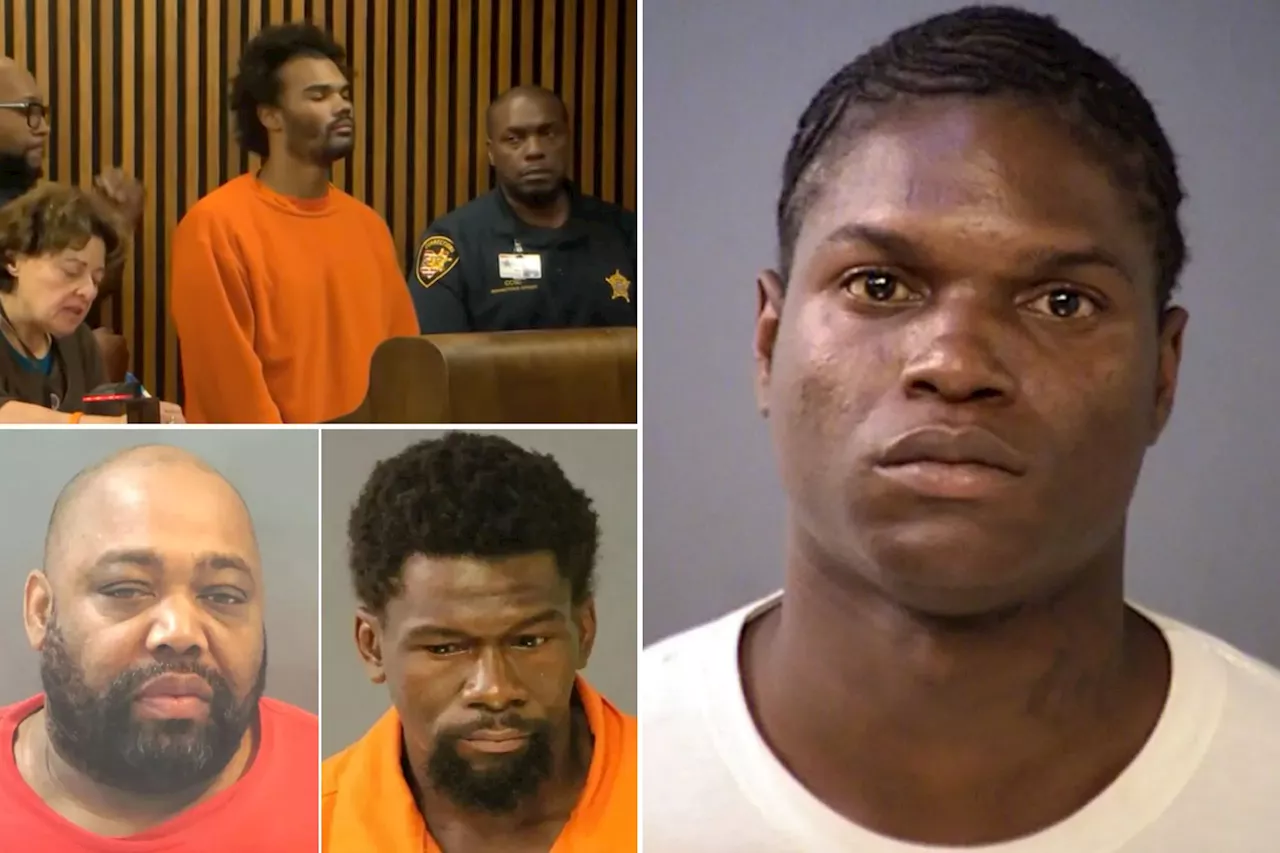
The Bail Project, a non-profit organization dedicated to assisting individuals with bail, is under scrutiny following the release of a suspect who has since been accused of murder. Donnie Allen, who was released on bail, allegedly murdered Benjamin McComas shortly after his release. This incident has ignited discussions about the organization’s bail practices and the potential ramifications of its mission.
Allen, who has a criminal history that includes multiple offenses, is accused of committing the murder at a Cleveland rail station on December 14, 2023, at approximately 19:30. Family members of Allen had expressed concerns to The Bail Project prior to his release, stating that he posed a risk of reoffending. They highlighted his history of criminal behavior, including drug possession and vandalism, as reasons why he should not have been released.
One family member told Fox News Digital, “We knew that he would end up in anyway, because he does break into people’s cars and whatnot. We just wanted the best for him. Whenever he starts doing good, he self-sabotages and just ends up back in jail.” This sentiment underscores the worries shared by those close to Allen, who believed that his release could lead to further criminal acts.
The Bail Project has invested over $91 million in bail assistance, helping thousands of individuals to secure their freedom. However, a troubling pattern has emerged, as there have been multiple instances where individuals bailed out by the organization have later committed serious crimes, including murder.
Robin Steinberg, the Executive Director of The Bail Project, expressed the organization’s commitment to its mission of providing “free bail assistance” and reuniting families. In light of the recent allegations, she stated, “No one could have predicted this tragedy.” Steinberg emphasized the need to address broader systemic issues, such as poverty and racism, that contribute to the challenges faced by those in the criminal justice system.
The case of Allen is not an isolated incident. Other individuals released by The Bail Project have also been linked to violent crimes shortly after their bail was posted. For example, Marcia Johnson was found severely injured hours after her partner was released on bail for domestic assault. The partner, who had a history of violence, was later charged with her murder. Steinberg remarked that had these individuals been able to afford their bail through traditional means, they would have also been free prior to trial, illustrating the contentious nature of the bail system.
Public reaction to these incidents reflects a growing concern regarding the implications of bail assistance programs. Critics argue that organizations like The Bail Project may inadvertently contribute to a cycle of violence when they assist individuals with extensive criminal backgrounds in securing their release.
In response to the criticism, The Bail Project maintains that the vast majority of those they assist—over 35,000 individuals—return to court, with a reported appearance rate of 92%. The organization highlights that serious or violent re-arrests before trial are uncommon and occur across various types of release methods.
As this issue gains attention, it raises essential questions about the effectiveness and safety of bail assistance programs. The Bail Project’s mission to reform the pretrial bail system and support marginalized communities is now faced with the challenge of ensuring that its practices do not contribute to further harm in society.
The ongoing dialogue surrounding these incidents underscores the need for a thorough examination of the bail system and its broader implications within the criminal justice framework. As cases involving released suspects continue to emerge, the balance between supporting individuals in need and ensuring public safety remains a critical concern for communities and organizations alike.