A recent U.S. missile strike on Christmas night has left residents of Jabo, a rural town in northwest Nigeria’s Sokoto state, grappling with fear and uncertainty. The strike, ordered by then-President Donald Trump, was part of an effort to combat what he termed a “Christian genocide” led by Islamist groups. The military action has raised concerns among local Muslims about their safety and the implications of such strikes in predominantly Muslim areas.
Impact of the Strikes on Local Communities
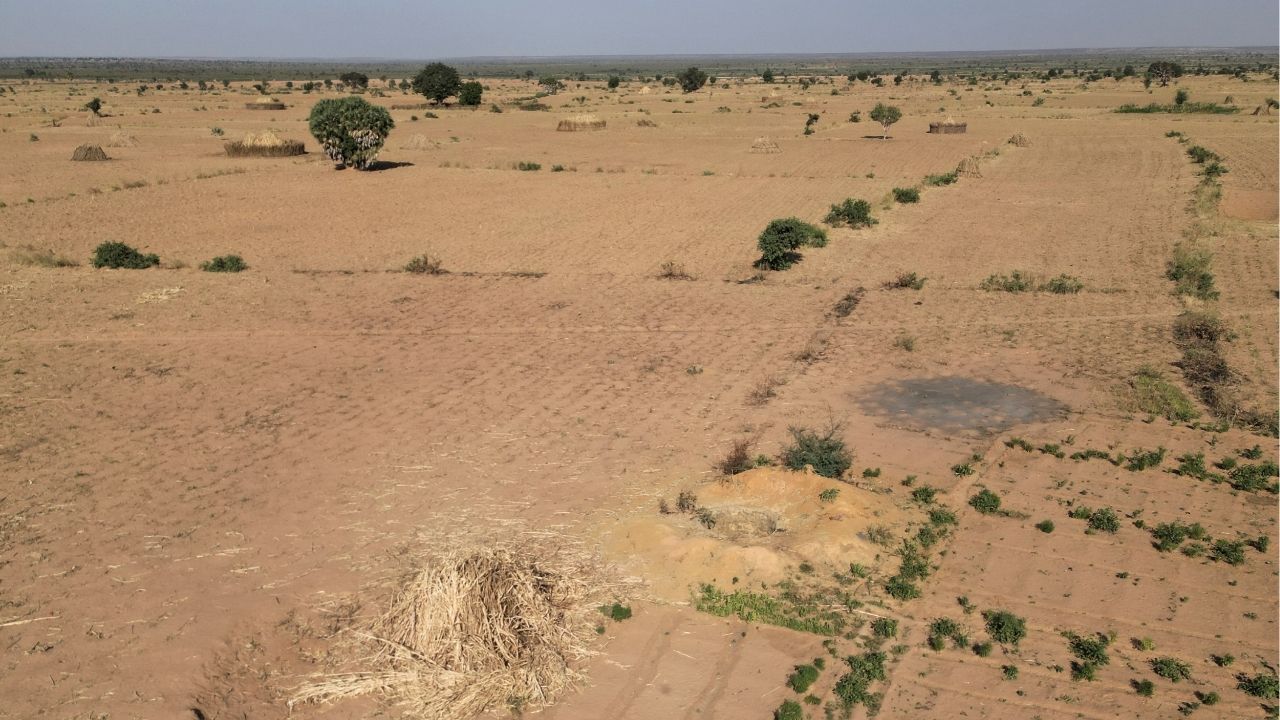
Three herders, having traveled 167 miles to witness the aftermath, inspected the shallow crater formed by a Tomahawk missile that struck a cornfield. Witnesses described the missile’s impact, which created a fireball that landed in the agricultural landscape, damaging crops and leaving debris scattered across the area. A large cylinder from the missile landed intact, while another piece ignited a stack of cornstalks, resulting in a charred patch on the ground.
According to Nigerian officials, the missiles unintentionally fell in Jabo. Yet, many residents remain skeptical. They reported seeing the missiles strike nearby farmland, causing damage to unoccupied buildings but sparing occupied homes. The fear of violence has intensified as local communities, often victimized by groups such as the Lakurawa, contemplate the risks of being caught in the crossfire between military actions and terrorist activities.
Understanding the Local Context
Sokoto state faces significant challenges from violence and crime, with reports of banditry and kidnappings escalating in recent months. Over the weekend, gunmen attacked two neighboring villages in Niger state, leading to numerous fatalities and abductions. Despite the turmoil, Jabo has largely remained a refuge for those fleeing violence in other parts of the region, offering a temporary sense of safety.
Local herder Mohammed Abubakar expressed hope that such attacks would not recur, emphasizing that there are no terrorists present in the area. Many residents have begun to search the countryside for signs of casualties from the strikes but have found no evidence confirming the deaths of terrorists, as claimed by U.S. officials. Instead, they are left to grapple with the chaotic aftermath of foreign military intervention in their lives.
Trump asserted that the strikes targeted Islamic State affiliates responsible for attacking Christians. Mohammed Idris, Nigeria’s information minister, confirmed that the strikes aimed to dismantle two major terrorist enclaves in the region. The U.S. military indicated that evaluations of the strike’s effectiveness are ongoing, yet the community’s sense of security remains fragile.
The Lakurawa, a local group believed to have ties to Islamic State affiliates, has imposed strict social regulations in the area, leading to heightened tensions. Farmers like Abdullahi Bako have found themselves navigating a complex landscape where both Islamic terrorism and military actions threaten their livelihoods. Bako recounted his experiences with the Lakurawa, who took control of local thugs but also imposed harsh restrictions on daily life, leaving residents caught between competing threats.
The residents of Jabo have expressed growing concerns that the U.S. strikes may have broader implications for Muslims in Nigeria. They fear that the actions taken under the guise of fighting terrorism are inadvertently targeting their communities. Many wonder why farming areas, rather than known terrorist strongholds, are the focus of such military interventions.
White House officials did not respond to inquiries regarding the impact of the strikes on local Muslim populations. Two U.S. officials indicated that the strikes would be a singular event, allowing Trump to claim retribution for Christian lives lost, yet both Nigerian and U.S. authorities emphasized ongoing cooperation in intelligence-sharing aimed at future military operations.
As residents continue to assess the damage and the realities of living under the shadow of violence, the situation in Sokoto remains precarious. With both communities of Christians and Muslims facing threats from various factions, the urgent need for a comprehensive approach to security and stability in Nigeria becomes increasingly apparent.