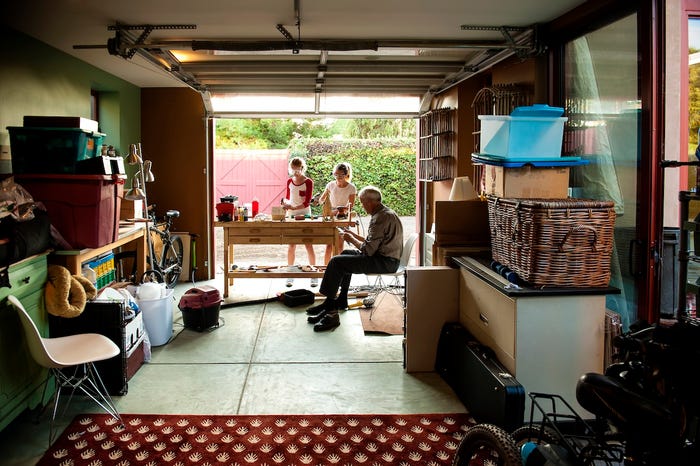
UPDATE: A dramatic shift in American housing trends reveals a surge in multigenerational living, as the number of households with two or more adult generations has quadrupled from 7% in 1971 to 18% in 2021, according to new data from Pew Research. With rising living costs forcing many to seek affordable solutions, families are increasingly opting to live together or remain under the same roof.
As the financial burden of housing escalates, an increasing number of Americans are moving back in with family members or choosing properties designed for multigenerational use. The National Association of Realtors reports a spike in demand for homes equipped for multiple generations, while searches for accessory dwelling units, often referred to as granny flats, have surged on platforms like Zillow.
The implications of this trend are profound. Families can share rent and mortgage payments, effectively lowering their overall living expenses. This shared living arrangement also offers a buffer against social isolation, especially for older adults. “The bottom line for solo-agers is that they need community,” states Sara Zeff Geber, a consultant specializing in solo aging.
Despite the growing popularity of multigenerational and intergenerational living, challenges remain, especially for solo-agers—individuals without children or family support. “We have more and more solo-agers who didn’t have children or who have lost touch with their families,” explains Bob Kramer, founder of the National Investment Center for Seniors Housing and Care.
To meet this need, purpose-built intergenerational communities are emerging as a promising solution. These developments are specifically designed to foster relationships between older and younger residents, often featuring shared spaces and activities. A notable example is One Flushing in Queens, New York, which includes 231 apartments, with 66 reserved for seniors and a community center that engages local youth in assisting older adults.
However, affordability remains a crucial issue, particularly for middle-income families who find themselves priced out of traditional housing markets. “There are limited options for modest-income folks,” warns Robyn Stone, senior vice president at LeadingAge.
While multigenerational living provides a viable alternative for many, experts caution that it is not a one-size-fits-all solution. Individual preferences and financial situations vary widely, and not everyone may feel comfortable sharing their living space. “I think that I would want to have more of an intentional intergenerational community as I get older,” reflects Stone.
As this trend continues to develop, families and individuals are encouraged to consider their options and share experiences. Are you part of a multigenerational household? Your story could help others navigating this evolving landscape. Reach out to discuss your experience at [email protected].
The landscape of American living is changing rapidly. With costs continuing to rise, the question remains: how will families adapt in the coming years? Stay tuned for updates as this story unfolds.